
Southern California PSYCHIATRIST – Volume 74, Number 9 – May

In this Issue
President’s Column: What Holds by Patrick Kelly, MD
The PROMISE of Perinatal Mental Health by Emily Dossett, MD
Human Trafficking: An Interview With A Survivor by Aaron Fichtner, MD
The Dual-Use Dilemma: When the Same Disclosure That Gets You Help, Ends Your Career by Vanessa Markgraf, MD, & Cesar Sagura
SCPS Election Results
Photo Gallery: SCPS Installation & Awards Ceremony (Pt. 1)
PER Awardees 2026
New SCPS Members Spotlight
March Council Highlights by Roderick Shaner, MD

President’s Column: What Holds
by Patrick Kelly, MD
This is my final column as your president, and like much else in this past year, it arrives at a strange convergence of finality and continuation. This May issue lands after our Installation and Awards Ceremony on May 3, where we recognized many of the people whose work has held this organization together — and just before the APA Annual Meeting in San Francisco, May 16 through 20, where the year’s broader work continues. So this is, in a sense, a column written between an ending and a beginning, which feels about right.
When I started writing these columns last June, I expected to spend the year on the themes I had outlined: engagement, psychiatry across the lifespan, partnership with affiliated organizations, and advocacy at the state and federal level. Some of that came to pass. But the year, as years do, had its own ideas. What the columns ended up being about — when I look back at them now — was something quieter and harder to categorize. They were, I think, an extended argument about what holds when the assumptions underneath us shift.
If there is a through-line, it is that our field is at its best when it can hold two things at once. Care for the individual and engagement with policy. Open critique and unwavering commitment. Conviction in our science and humility about what we do not yet know. Last month’s column on the Meta verdict was one version of that posture — neither “social media is good” nor “social media is bad,” but the harder, more accurate question of “what design choices”, “in what context”, “for which developing minds”. Most of the columns this year were variations on that single theme.
My thoughts outside our field, this year, ran along similar lines — our family moving one member into assisted living the same season we welcomed another into this world; knowing how essential it is to vote in the upcoming primary elections while fearing the vote will not matter; celebrating my nephew’s high school graduation while watching the protections his youth had afforded him fall away. The discipline of holding two true things at once is not, it turns out, only a professional skill. It is a life skill we have all been practicing.
The April 18 executive order on psychedelics is the latest test of that discipline. Psilocybin, MDMA-assisted therapy, and ibogaine have generated some of the most genuinely promising data our field has seen for treatment-resistant depression, PTSD, and severe substance use disorders in decades, and sustained public investment after decades of regulatory paralysis is overdue. At the same time, Right to Try access ahead of completed Phase 3 trials raises real concerns about informed consent, supervision, and equity, and the history of ketamine clinic proliferation — examined in last month’s issue by Dr. Goldenberg — ought to inform how we read this moment. Both parts are true at once.
That same posture runs through this issue, which arrives, fittingly, during Maternal Mental Health Month. Dr. Emily Dossett writes on PROMISE, Los Angeles County’s Perinatal Psychiatry Access Program, and the preventable mental health crisis driving a substantial portion of pregnancy-related deaths. Dr. Aaron Fichtner’s interview with an adult survivor of child sex trafficking is among the most sobering pieces we have published this year. Dr. Vanessa Markgraf and César Segura open a series on aerospace medicine and psychiatry with a question that resonates well beyond pilots and astronauts: what happens to our patients when the same disclosure that gets them help can also end their career? Each piece, in its own way, asks us to hold complexity rather than collapse it.
The issue also presents the first installment of the May 3 photo gallery from the Installation and Awards Ceremony — a chance for us to see each other in person again. My thanks to Dr. Halpin, our newsletter editor and incoming president, for shepherding this issue together at the same time she has been preparing to take on the larger work ahead.
In the next few weeks, I hope to see many of you at the APA Annual Meeting in San Francisco. The theme — “Empowering the Psychiatric Workforce: Taking Control of Our Practices One Step at a Time” — is exactly the work this past year has demanded of us, and the William C. Menninger Memorial Lecture with Dr. Vivek Murthy, coming weeks after the Meta verdict, is a convergence I would not miss.
To Dr. Halpin, our incoming president, and to our newly installed officers and councilors: I am genuinely excited to watch what you do next. The challenges of the year ahead will not look exactly like the challenges of the year behind, but the habits we have built — holding evidence carefully, advocating with both conviction and humility, refusing to choose between rigor and compassion — will travel well. The work is in excellent hands.
To Mindi, our executive director; to our council and committee chairs; and to the families who absorbed every late Zoom and missed dinner: thank you. Your work made the successes of this past year possible.
And to every member who read these columns each month, wrote an article, attended a meeting, mentored a resident, or simply kept practicing well in a difficult year: thank you, sincerely.
What holds, I have come to believe over this year, is not the strategic plans or the position statements, important as those are. What holds is the daily practice of keeping faith with each other and with our patients when the ground underneath is in motion. That is what this organization has done this year. That is what you have done. And that, more than anything I have written about in these pages, is what I will carry forward.
It has been a true honor to serve as your president.
Respectfully,
Patrick Kelly, MD
President, Southern California Psychiatric Society



The PROMISE of Perinatal Mental Health
by Emily Dossett, MD
Perinatal mental health and substance use disorders (PMHSUD) dramatically affect maternal and child health in Los Angeles County and across California. Overdose and suicide together comprise of 18% of deaths in the perinatal period.[1] The majority of pregnancy-associated deaths by suicide in California occur late in the postpartum period (between six weeks through one year), after a patient completes her 6-week obstetric visit, and over half are deemed preventable.[2] Over half of perinatal associated suicides in California are directly associated with withdrawal, changes to, or suboptimal dosing of psychiatric medications.[3]
Which women suffer from PMHSUD and which receive care is profoundly inequitable. Risk of death by suicide or overdose triples among women in California whose births are insured by Medicaid. Substance use is four times higher among women who use Medicaid as well. In Los Angeles County, one-third of perinatal women report being under- or uninsured; more than half have fewer than twelve years or less of formal education; forty percent describe their pregnancies as mistimed or undesired; and two-thirds of births are to Latina women — all groups with demonstrated higher risk for perinatal depression.[4] Further, births among adolescents, another high-risk group for perinatal mood and anxiety disorders and suicide, represent 10% of all births in LA County.[5] Racial disparities also emerge in care patterns, with Black women being less likely to receive early recognition and treatment of PMHSUD and more likely to receive emergency mental health services or inpatient hospitalization in the postpartum year compared to White women.[6]
How to reduce these inequities and improve PMHSUD outcomes for all patients has long remained a stubborn problem in our fragmented health care landscape. Frontline clinicians who care for perinatal patients in Los Angeles County – primarily obstetricians, nurse midwives, nurse practitioners, and primary care doctors – face challenges in screening, assessment, treatment, and referral for this population. Similarly, behavioral health providers – particularly prescribers, such as psychiatrists, nurse practitioners, and clinical pharmacists – often have little to no training in psychotropic treatment in pregnancy or lactation.[7] This dearth of reproductive psychiatric support for PMHSUD poses a real barrier to perinatal patients receiving the care they need, when they need it. There simply are not enough specialists – particularly in the safety net –to meet the need.
Yet there is a solution. Perinatal Psychiatry Access Programs (PPAPs) work to increase the capacity of frontline providers – including psychiatrists – to better care for perinatal patients with PMHSUD. Perinatal Psychiatry Access Programs offer three core services: 1) real-time provider-to-provider telephone consultation, 2) specialized provider education and training, and 3) vetted, appropriate referrals to psychotherapeutic resources. Local quality improvement initiatives demonstrate that once offered training and ongoing expert support, prenatal and primary care clinicians as well as psychiatric prescribers express more confidence, competence, and likelihood of taking on medication management for PMHSUD.[8] The first PPAP, the Massachusetts Child Psychiatry Access Program for Moms (MCPAP for Moms), grew out of a similar capacity-building model for pediatricians faced with child and adolescent mental health concerns in their patients. MCPAP for Moms has seen tremendous success in reducing inequity by increasing access to care, improving provider confidence in treatment PMHSUD, and demonstrating cost-effectiveness.[9] Twenty-one states have adopted the PPAP model with more programs in the pipeline.[10]
Los Angeles County launched its own PPAP in 2024, named PROMISE (Perinatal Resources to Optimize Mental Health Interventions and Substance Use Treatment Excellence). While most PPAPs focus primarily on obstetricians as front-line providers, PROMISE has also worked to make sure psychiatrists are aware of our trainings and consultative services. Psychiatrists see the most complex perinatal patients – either as current patients become pregnant or as they receive referrals from OBGYNS or primary care doctors – yet often have little training or expertise in PMHSUD. PROMISE meets that need by offering specialized reproductive psychiatry webinars and expert consultative services. As a result, PROMISE has trained and consulted with more psychiatrists than any other specialty.
In a state and county as large and populous as ours, PROMISE is essential to any real scaling up of behavioral health care for perinatal people. PROMISE is available to all providers working in Los Angeles County, in any setting, who encounter perinatal patients and want to improve their PMHSUD care. Our goal is to help ALL pregnant patients, new parents, and their infants to experience happier, healthier outcomes.
PROMISE is available from 9 AM-5 PM, Monday through Friday, at 1-833-374, 4MMH (4664) or at Promise@dhs.lacounty.gov. For more information, see https://dhs.lacounty.gov/womens-health/our-services/womens-health/prenatal/promise/.
____________________________________________________________________
[1] Goldman-Mellor S, Margerison CE. Maternal drug-related death and suicide are leading causes of postpartum death in California. Am J Obstet Gynecol 2019;221:489:e1-9.
[2] https://www.cdph.ca.gov/Programs/CFH/DMCAH/Pages/PAMR.aspx.
[3] Ibid.
[4] Los Angeles County Department of Public Health, Maternal, Child & Adolescent Health Division (MCAH), Los Angeles Mommy and Baby Project, 2016 Surveillance Report.
[5] (2008) Fact Sheet: Quick facts on teen pregnancy. LA Unified School District, Teen Parent Program.
[6] https://www.first5la.org/african-american-infant-and-maternal-mortality-aaimm/#:~:text=The%20Los%20Angeles%20County%20African,Black%20families%20in%20L.A.%20County
[7] Osborne LM, Hermann A, Burt VK, Driscoll K, Fitelson E, Meltzer-Brody S, et al. Reproductive Psychiatry: The Gap Between Clinical Need and Education. Am J Psych (2015);172(10):946-8.
[8] Dossett EC, Benitez C, Garcia N. Perinatal Mental Health in Community Psychiatry: A Reproductive Psychiatry eConsult Pilot Project. Psychiatr Serv 2019 Nov 1;70(11):1075-76.
[9] Masters GA, Yuan Y, Li NC, Straus J, Moore Simas TA, Byatt N. Improving front-line clinician capacity to address depression and bipolar disorder among perinatal individuals: a longitudinal analysis of the Massachusetts Child Psychiatry Access Program (MCPAP) for Moms. Arch Womens Ment Health 2023;26:401–10. https://doi.org/10.1007/s00737-023-01324-1
[10] https://postpartum.net/professionals/state-perinatal-psychiatry-access-lines/
BTW – May is Maternal Mental Health Month!


Human Trafficking: An Interview With A Survivor
by Aaron Fichtner, MD
This newsletter article is intended to raise awareness of the increasing magnitude of human trafficking and to outline what psychiatrists can do in response. To ground this discussion, I spoke with an adult survivor of child sex trafficking, who later became involved in victim recruitment before escaping captivity and exiting the lifestyle for good. “From street level to high profile… it’s a methodical, strategic industry… a giant network, like a spider web,” she said, describing the scope of the trafficking industry.
Human trafficking generates an estimated $236 billion annually in illegal profits worldwide—a 37% increase since 2014, driven by both a growing number of victims and increasing profit per victim. Forced commercial sexual exploitation accounts for nearly three-quarters of these profits despite representing a smaller proportion of victims.
The NCMEC CyberTipline received over 21 million reports of child sexual exploitation worldwide in 2024. Of these, approximately 1.18 million reports were linked to the United States, with over 546,000 reports of online enticement in 2024—a 192% increase from the previous year. Within the United States, more than 968,000 reports were linked to specific states. California alone accounted for 103,789 reports in 2024—over 10% of all state-linked reports—placing it among the highest-reporting states in the country and underscoring the direct relevance of this issue to psychiatric practice in our communities. Reported cases likely represent only a fraction of actual exploitation.
Recent local events reinforce the urgency of this issue. In March 2026, Operation Safe Return in Riverside County located 37 missing children, primarily ages 14–17, leading to 7 arrests, including child exploitation-related charges. These cases occurred within the same communities served by our clinics and hospitals.
Psychiatrists—particularly those working with children, adolescents, and transitional-age youth—are already treating patients at increased risk of trafficking, or are currently experiencing it, or have experienced it in the past. Whether we recognize trafficking early enough to intervene—and how we approach patients who have experienced it—remains a critical question in psychiatric practice. “It’s right in front of us all day,” she explained.
The survivor described having grown up in an environment where prostitution, substance use, violence, and crime were normalized across generations: “It was our family norm… I didn’t know it was dangerous.” As a child and young adult, early exposure to prostitution and recruitment networks provided a sense of family inclusion. “I thought I was acting grown… like I was being treated as an adult.” The family failed consistently to meet her basic needs. For example, healthcare access was limited, “we only went to the doctor if we were really sick… like the ER.” Substance use was introduced early as a coping mechanism, “that’s how we numb ourselves… that’s how we cope.”
Indicators such as lack of routine healthcare, unstable housing, exposure to crime or domestic violence, substance use, coercive relationships, or abrupt behavioral changes should prompt further inquiry. “That’s when you start connecting dots.” These patterns often manifest clinically as trauma symptoms, depression, anxiety, substance use, school disengagement, runaway behavior, or unexpected changes in relationships, appearance, or access to resources.
The survivor emphasized that marginalized youth are at disproportionately high risk. “Transgender youth are at the top of that chain,” she said. “Foster care… group homes… kids without stable support systems—they’re the easiest to exploit.” Youth who are disconnected from family, navigating questions of gender identity, or cycling through unstable systems may rely more heavily on external validation and resources, increasing vulnerability to coercion, grooming, and exploitation. In these contexts, what presents clinically as behavioral dysregulation or identity conflict may also reflect survival behaviors within unsafe environments.
Recruitment is deliberate. “They look for vulnerability… if someone looks distressed, you go up to them… you act like you care—you’re gathering information.” Recruiters use supportive tactics to gain leverage and control. They may offer enticing invitations, often framed as solutions to the victims’ current problems. The victim may not initially view this as exploitation. “They make you look good… hair done, nails done… you feel like this is worth it,” she said. “It made me feel like I was escaping.”
Increasingly, this process occurs online. “It’s all digital… that’s the window now.” Social media platforms and online gaming environments have become primary points of contact, allowing traffickers to target youth in real time under the guise of peer interaction or romantic interest. Reports of AI-enhanced grooming and exploitation increased by over 1,300% in 2024, with tools used to create exploitative images, simulate interactions with minors, and facilitate grooming behaviors. At the same time, there has been an increase in reports of organized online groups encouraging increasingly severe forms of exploitation, including coercion of youth to harm themselves or exploit others.
“Substance use goes hand-in-hand with trafficking,” she explained. Traffickers use substances involuntarily to facilitate victim compliance, to blunt distress, and to create dependency. For example, traffickers use methamphetamine to increase sex drive and productivity. “That’s originally why it was used.” In some youth, this may present as a paradoxical sense of calm or blunting rather than stimulation, which may reinforce use and compliance. More recently, traffickers include fentanyl and other substances that impair awareness or induce withdrawal syndrome and lead to dependence. “Now fentanyl is being used… keeping people unconscious.” Youth may present with concern for having been drugged unknowingly or introduced by older contacts to high-risk routes of use (e.g., injection) at unusually young ages.
Disclosure of trafficking relationships is often limited by fear or distrust. “Victims are terrified to tell… they don’t know who their perpetrators are connected to,” she explained. Mistrust may reflect real risk. In psychiatric practice, harm reduction techniques are essential for building rapport and maintaining engagement. “If you come off judgmental… I’m shutting that door,” she said. Harm reduction means meeting patients where they are and remaining engaged without expectations of immediate behavioral change. “It might take a few sessions… before you even get a clue.”
The survivor spoke to how lack of accountability at higher levels reinforces fear and silence. “You don’t see any justice—and that’s where my fear lives today. That’s what keeps so many people quiet,” she said. “Especially youth. They’re terrified…when they start admitting this is happening to them, they don’t know if telling someone is going to put them in danger.” High-profile cases, such as the Jeffrey Epstein files, have reinforced a broader perception among victims that systems of power may fail to protect them, which further complicates disclosure, trust, and engagement in care.
Legal responses to trafficking have evolved slowly. In California, lawmakers attempted eight times since 2007 to reclassify child sex trafficking as a serious felony. Only in September 2023 was the law passed, taking effect January 1, 2024, increasing penalties from prior sentences of up to 12 years to significantly longer terms, including potential life sentences.
Critics of this legislation have argued that harsher penalties may disproportionately affect low-level traffickers, some of whom may themselves be victims of exploitation, and that longer sentences alone have limited impact on deterrence. “It’s not what people think it is,” she said. Coercion, dependency, psychological control, and survival behaviors can blur the line between victim and offender. Without more nuanced legislation that accounts for these dynamics, there remains a risk of punishing individuals—who themselves were victims of child exploitation—while failing to dismantle the systems that sustain it.
For psychiatrists, awareness must translate into practice. Recognizing patterns of vulnerability, asking targeted questions, and building trust over time are central to prevention. Screening tools provide structure, but they cannot replace clinical judgment grounded in how exploitation unfolds. “If you don’t build trust first, you’re not getting anything real.” Practical screening may include direct questions about safety, control, coercion, online interactions, and exchange of sex for basic needs such as housing, money, or transportation.
When trafficking is suspected, clinicians should prioritize immediate safety, conduct private interviews, use trauma-informed communication, and follow mandated reporting laws—recognizing that trafficking of a minor constitutes reportable child abuse in California—while engaging multidisciplinary resources including social work and child protective services.
The survivor emphasized that identification of exploitation is rarely straightforward. “Most people aren’t going to say it outright… you have to read between the lines.” Disclosure may be delayed, fragmented, or absent altogether. Fear, coercion, and dependency often shape what patients are willing or able to disclose. In this context, engagement becomes the intervention.
Prevention is a process rather than a single moment of recognition. It requires attention to patterns over time, willingness to revisit difficult questions, and tolerance of ambiguity while maintaining connection. “It’s not one conversation—it takes time.”
She emphasized the role of families in prevention. “Parents need to stay involved,” she said. “If they’re not, kids will always be at risk.” Open communication, supervision, and willingness to engage in difficult conversations about safety, relationships, and online activity are critical protective factors. “There’s been more trends with roofies… kids getting drugged and not even realizing what happened,” she said. “Don’t take things from strangers… make sure you see where your drink is coming from.” “We need to talk about it… there are people out there who will harm them.”
The warning is clear. “By the time it’s obvious, it’s already been happening.”
“It’s right in front of us—we just don’t see it.”
Selected References
- International Labour Organization. Annual profits from forced labour amount to US$236 billion, ILO report finds. 2024.
https://www.ilo.org/resource/news/annual-profits-forced-labour-amount-us-236-billion-ilo-report-finds - National Center for Missing & Exploited Children. CyberTipline data and 2024 reports.
https://www.missingkids.org/gethelpnow/cybertipline/cybertiplinedata - Greenbaum J, Kaplan D, Bodrick N; American Academy of Pediatrics.
Human trafficking and exploitation of children and adolescents: Policy statement.
Pediatrics. 2025;156(1):e2025072214.
https://publications.aap.org/pediatrics/article/156/1/e2025072214 - Duara N. California new laws for 2024: Tougher penalties for child trafficking. CalMatters. December 29, 2023.
https://calmatters.org/justice/2023/12/child-trafficking-new-california-laws-2024/ - California Department of Justice, Office of the Attorney General. Human trafficking legislation.
https://oag.ca.gov/human-trafficking/legislation
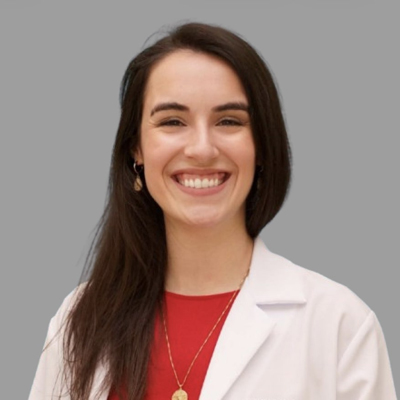
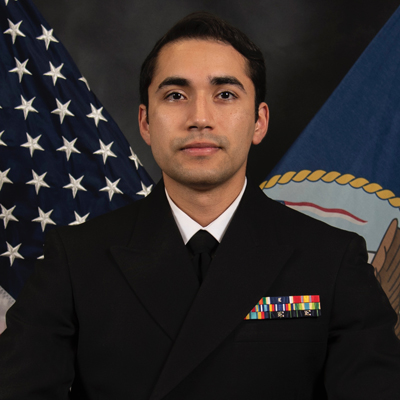
The Dual-Use Dilemma: When the Same Disclosure That Gets You Help, Ends Your Career
by Vanessa Markgraf, MD, MS & César Segura
“1. Power Control Lever – MID RANGE 2. Power Management Unit Switch – OFF 3. Propeller System Circuit Breaker (left front console) – PULL If propeller rpm (Np) Stable Below 40% 4. Power Control Lever – AS REQUIRED. If power is sufficient for continued flight: 5. Precautionary Emergency Landing (PEL) – EXECUTE. If power is insufficient to complete PEL: 6. Propeller System circuit breaker – RESET; as required 7. Power Control Lever – OFF 8. Firewall Shutoff handle – PULL 9. Execute Forced Landing or Eject.”1
Above is one of the many flight procedures that pilots memorize during their training, something that three out of four of the Artemis II crew completed in their time as military test pilots or astronaut candidates.2 While learning about one of the most decorated and educated crews in NASA history, it is natural to wonder about the crucible that shaped such exemplary scientists. The media covered these trailblazers of deep space exploration in great detail, from their academic accolades to their family lives, as they completed the first crewed lunar flyby in over 50 years3 and, after a 40-minute planned communication blackout,4 reached the furthest distance that any humans have ever gone from Earth. We are also curious about what was not covered: their mental health.
How difficult must it be mentally to work in an occupation that will only hire 0.125% of the people who apply?5 What is it like to have any reported health condition, mental health or otherwise, suddenly become a disqualifier to the career of your dreams? As psychiatrists, how do we counsel someone to prioritize their mental health when the honest answer is that, in their world, doing so may cost them everything they have worked toward? At what point does the system, intended to provide security, become a deterrent to disclosing information that provides safety?
Having previously lived in Corpus Christi, a city in southern Texas that is home to a Naval Air Station, I have been privy to conversations with a few current and past pilots who were able to shed some light on these questions. While they prefer to keep their identities private, similar themes came up with most conversations—”I was afraid that, if I were to report my mental health, I would be disqualified from being a pilot.” Up until recently, having a psychiatric ailment that necessitated drug therapy or psychotherapy rendered one ineligible to become a pilot, even a civilian one. But this changed with the enactment of the FAA Reauthorization Act of 2024 and the Mental Health in Aviation Act of 2025.6
These restrictions exist for a reason; having a pilot who is unequipped to handle the stressors of in-flight emergencies would worry even the laxest of passengers. Even so, this means that training and career progression become imbued with unwritten rules that reduce disclosure and preclude people from seeking the mental and physical health treatments that they need, lest they risk FAA de-certification despite aptitude, ability, and experience. The result is a population that does not avoid care because they are unaware of their symptoms or indifferent to them, but because the system made disclosure a possible career-ending event. In practice, the concern is less about whether pilots value safety and more about whether the system allows them to care for their health without jeopardizing their professional goals. Of course, there will be some pilots who do not have any health conditions, but given that some studies estimate that up to 40% of pilots misuse alcohol7 and over 50% disclosed avoiding healthcare due to concerns about losing their flight status,8 it is reasonable to assume that the number of affected pilots is a silent but significant population.
Even those who do not meet diagnostic criteria for a mental health disorder or require treatment are still subject to the same job-related stressors, including irregular work hours and constant high-level processing, because mistakes can be fatal. Going through pilot forums, one can see that this is a known issue amongst the aviation community, where pilots anonymously disclose their own fears of seeking treatment to avoid ending their careers. Others warn them not to pursue aid after having their fears realized after seeking care. Just last year an army service member disclosed how he begged his psychiatrist to “just write that I was getting better—that I was good enough to work, because I was doing everything I could to prove it.” As a medical student at the time, I had no idea that he was now doomed to forever be stuck in the loop of special issuances, waiting periods, and waiver denials.
This ghost population of unhealthy pilots poses a danger to commercial and military aviation alike. Disclosure is also not an issue solely limited to aviation. Medicine is one such field where physicians face their own licensing and credentialing consequences for mental health treatment, but perhaps no population carries this tension more quietly than those pursuing human spaceflight. Fortunately, there seems to be an increasing appreciation that mental healthcare should be treated as a part of readiness in aerospace medicine. The enhanced accessibility of confidential treatment, inclusion of behavioral specialists, and development of an environment where talking about stress is acceptable can all contribute to the goal of diminishing stigma without compromising safety standards.
In the same vein, the crew aboard the Artemis II, applauded for their resilience and successes by the media, are all products of the same selection process and aviation training previously mentioned. Operating within an atmosphere where any sign of sickness would render them unfit for the mission. We eulogize their courage in the vacuum of space, but we rarely ask what it cost them, and others who never made it. If indeed we are committed to furthering the boundaries of the human condition beyond mere low earth orbit, where real-time psychiatric care becomes infeasible when journeys begin spanning months or even years, it cannot be the case that our prevailing culture promotes and even rewards secrecy. There are practical steps that the fields of aerospace medicine and psychiatry alike can pursue that will make psychological readiness not a source of stigma but an advantage. Through the implementation of intervention techniques, encouragement of peer support, and the facilitation of processes leading to more streamlined up-chits after medical grounding, 9 we ensure the safety of our personnel as well as our objectives. In doing so, supporting mental well-being becomes a fundamental part of performance, rather than hindering it. In this three-part series we aim to explore the unique challenges that arise for the aerospace community, explore what psychiatry can do to help them, and finally, explore what we can glean from their field to help us. Until next time!
References:
- Commander, Naval Air Systems Command, ed. Flight Manual: USAF/USN T-6B Series Aircraft. Navy NAVAIR A1-T6BAA-NFM-100. Secretary of the Air Force; 2012:3.18-3.20.
- Christina Koch | Astronaut Scholarship Foundation. Astronautscholarship.org. Published 2025. https://www.astronautscholarship.org/scholars/neil-armstrong-award-of-excellence/christina-koch/
- Artemis II Multimedia: Crew Photos, Videos and Mission Highlights. NASA. Published January 26, 2026. https://www.nasa.gov/artemis-ii-multimedia/
- Artemis II Flight Day 6: Lunar Flyby Updates – NASA. NASA. Published April 6, 2026. https://www.nasa.gov/blogs/missions/2026/04/06/artemis-ii-flight-day-6-lunar-flyby-updates/
- Astronaut Selection Program – NASA. https://www.nasa.gov/humans-in-space/astronauts/astronaut-selection-program/
- Pilot Mental Health. Alpa.org. Published June 2024. https://www.alpa.org/Advocacy/Our-Priorities/Pilot-Mental-Health
- Percheron M, Prouvost-Keller B, Allouche J, Benoit M, Pradier C. Mental health of airline pilots in France: insights from an anonymous online survey. Front Public Health. 2025;13:1514812. Published 2025 May 23. doi:10.3389/fpubh.2025.1514812
- Hoffman W, Chervu N, Geng X, Üren A. Pilots’ Healthcare Seeking Anxiety When Experiencing Chest Pain. J Occup Environ Med. 2019;61(9):e401-e405. doi:10.1097/JOM.0000000000001662
- Sarahritchie17. Flight School: The First 6 Months – Part 1 – Genuine Sunshine Blog. Genuine Sunshine Blog. Published July 8, 2021. Accessed April 26, 2026. https://genuinesunshineblog.com/flight-school-the-first-6-months-1/
SCPS Election Results
Congratulations to our newly elected Officers & Councillors for 2026-2027!
President-Elect
Gillian Friedman, MD
Treasurer-Elect
Daniel Fast, MD
Secretary
Manal Khan, MD
Early Career Psychiatrist Representative
Dustin Wong, DO
Resident-Fellow Member Representatives
Ola Egu, MD
Daniel Resnick, MD
Deputy Minority and Underrepresented Groups Representative
Vanessa Markgraf, MD
APA Assembly Representatives
Patrick Kelly, MD
J. Zeb Little, MD, PhD
San Fernando Valley Region Councillor
Kelsey Badger MD
San Gabriel Valley/ELA Region Councillor
Timothy Pylko, MD
Santa Barbara Region Councillor
Nassi Navid, MD
Ventura Region Councillor
Danielle Shaw, MD
West Los Angeles Region Councillor
Alex Lin, MD

Photo Gallery (Pt. 1) – SCPS Installation & Awards Ceremony
Sunday, May 3, 2026 at the New Center for Psychoanalysis in West Los Angeles
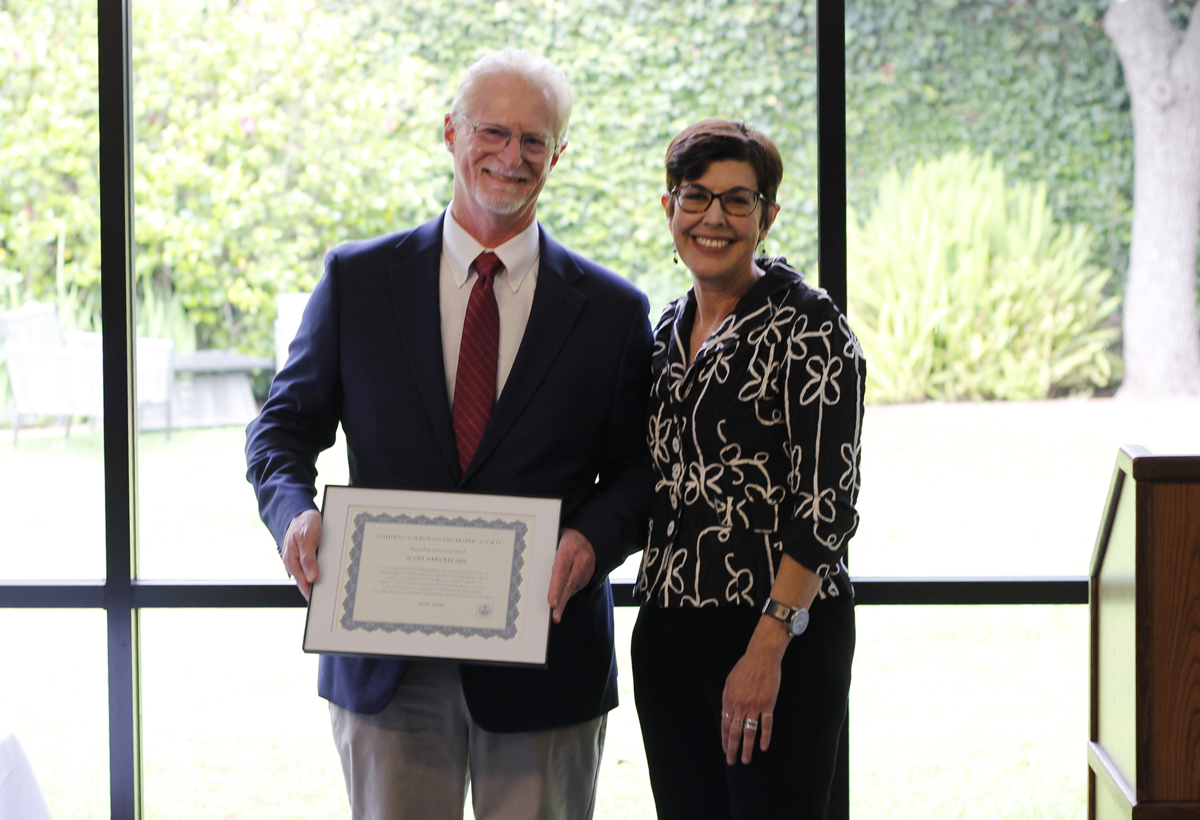
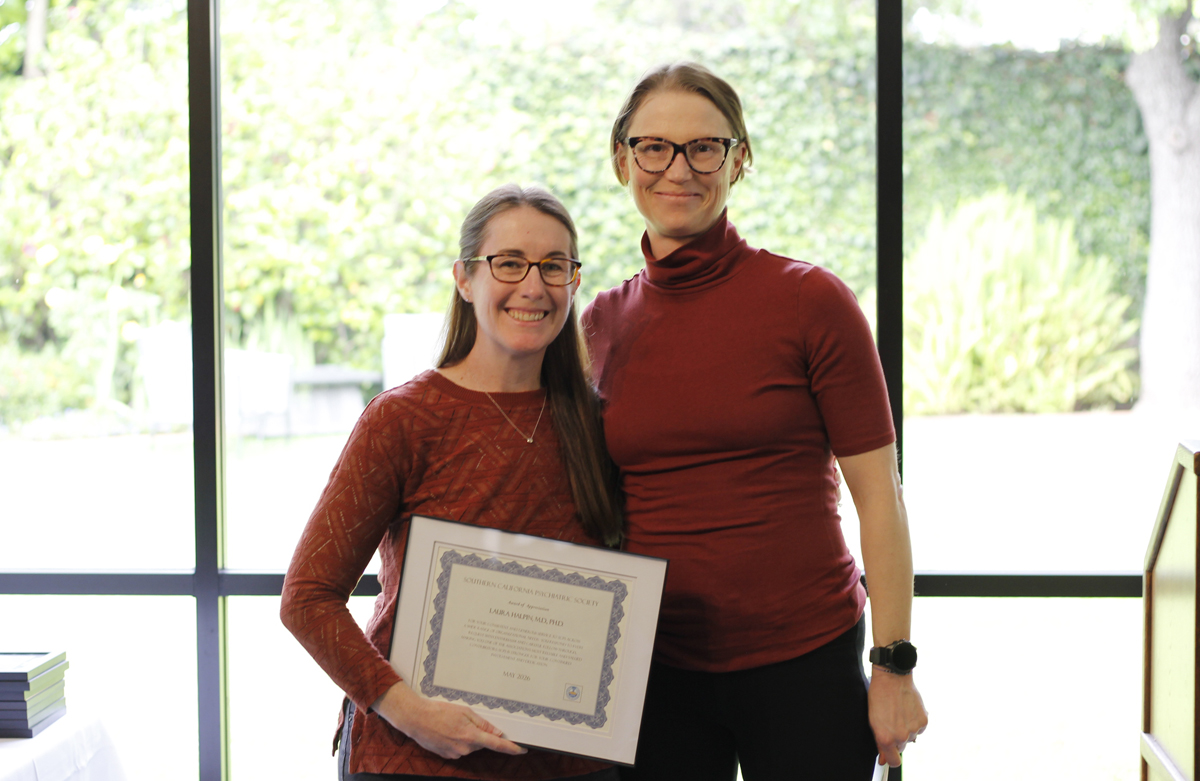
Congratulations to all of the awardees! Some are pictured here: (Part 2 will be published next month)
Patrick Kelly, MD – SCPS President 2025-2026
Matt Goldenberg, DO presents the Distinguished Service Award to Galya Rees, MD
Gillian Friedman, MD presents the Outstanding Achievement Award to Scott Weigold, MD
Emily Wood, MD presents Appreciation Award to Laura Halpin, MD – SCPS President 2026-2027
Erick Cheung, MD presents a Special Award to Richard Tadeo
Austin Nguy, MD presents the George L. Mallory Award to Shayan Rab, MD
SCPS Members including Timothy Pylko, MD and Manal Khan, MD
Samuel Miles, MD and Anita Red, MD






PER Awardees 2026
Congratulations to the PER Foundation (Psychiatric Education & Research) Awardees for 2026!
Matthew Allen, MD – Kaiser Permanente S. CA Psychiatry Residency Program
Erin Hegarty, MD – UCLA – NPI
Janet Jianghua Lee-Coomes, MD – Community Memorial Healthcare
Christopher Martin, MD – UCLA – Olive View
Miles Reyes, MD – Charles Drew University
Rony Saleeb, MD – University of California, Riverside
Michelle Sun, MD – UCLA – VA
Welcome New SCPS Members!
We are proud to spotlight some of our newest members:
 Lukman-Afis Babajide, MD – General Member
Dr. Lukman-Afis Babajide (he/him), MD is a board-certified psychiatrist specializing in transgender care, general LGBQ+ care, college mental health, and care for minoritized populations.
He completed his medical school training at UT Southwestern in Dallas, TX, his residency at Rutgers in Newark, NJ, and his Transgender Fellowship training at the Icahn School of Medicine at Mount Sinai in New York, NY. Dr. Babajide completed a liberal arts education at Davidson College in North Carolina where he graduated with honors in his degree of Sociology. He continues to use a sociologically informed framework to treat his patients.
Dr. Babajide is currently working at Eisenhower Medical Center in Rancho Mirage, CA and is accepting patients. He is on faculty for their psychiatry residency program and is the Psychiatry Clerkship Director for MD/DO candidates seeking away sub internship opportunities at Eisenhower as well as rotating medical students from both California University School of Medicine and University of California Riverside at Eisenhower (a new partnership he spearheaded). He also cares for the mental health of college and graduate students alike through Timely Care.
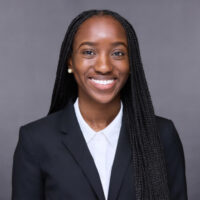 Amy Kwarteng, MD – Resident-Fellow Member
Dr. Amy Kwarteng is a PGY-1 psychiatry resident at the University of California, Los Angeles. She earned her medical degree from the University of Michigan Medical School. An aspiring child and adolescent psychiatrist, Dr. Kwarteng’s clinical interests include co-occurring mental health and substance use disorders in adolescents and expanding school-based mental health services.
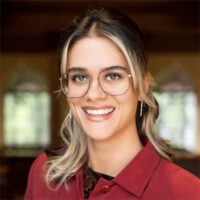 Ella Burguera-Couce, MD – Resident-Fellow Member
I am a rising PGY-2 psychiatry resident at the UCLA Psychiatry Program and originally from Spain. I earned my MD at Brown University. My interests include child and adolescent psychiatry, particularly early intervention and community-based care.
All new SCPS members are invited to provide Membership Spotlight materials.
March Council Highlights
by Roderick Shaner, MD
Meeting Date: March 12, 2026
Next Meeting: April 9, 2026, 7:00 PM (Zoom)
President’s Report – Dr. Kelly
- CA Inter-DB Task Force: Kelly provided updates on the California Inter-DB Task Force’s proposal to develop an Area 6 workgroup to identify candidates for APA and Area 6 offices. Dr. Halpin suggested the inclusion of current CSAP board members and Area 6 reps to help identify the proposals implications for mentoring potential candidates.
- Forwarding APA Advocacy Alerts to SCPS membership: Kelly sought Council comments about how APA advocacy alerts might be forward by SCPS to all members. The sense of council was that the SCPS president should be able to send urgent alerts to all membership at his discretion.
- APA/SCPS Upcoming Events: Kelly announced the upcoming SCPS installation and awards ceremony on May 3rd. The upcoming APA meeting in San Francisco, including the high value for attendance by Mindi as SCPS executive director was also discussed.
Passed Motion: That funds be provided for Mindi Thelen to attend the APA meeting in San Francisco..
President‑Elect’s Report – Dr. Halpin
- Newsletter: Dr. Halpin presented highlights of the March issue, including articles on autism spectrum disorder in women, therapeutic alliance factors, and family support in therapy, and thanked the authors. She also highlighted the upcoming April Advocacy issue and thanked Dr. Nguy for his guest editorship of the February Black History Month issue.
Treasurer’s Report – Dr. Friedman
- February Financials: Mindi Thelen noted that that while dues collection was under budget, publications were over budget, leading to overall income being slightly under budget despite investment gains. Expenses were generally under budget, and total assets exceeded last year’s figures by over $105,000.
Assembly Report – Dr. Silverman
- Area 6 Council Meeting of February 3: Silverman reported on the Area 6 Council meeting of March 2, 2026, discussing action papers presented, including one from Dr. Ijeaku concerning eating disorder and weight stigma in minority populations. Dr. Goldenberg discussed another action paper being prepared by him and Dr. Aaron Meyer from SDPS concerning APA governance and communication and will send the draft to SCPS Council for review, prior to any discussion concerning endorsement.
Government Affairs – Drs. Wood/Halpin
Report on meeting of February 10, 2026: Drs Wood, Halpin, and other committee members discussed key topics, including:
- CSAP 2026 Legislative Priorities Document: Goldenberg presented the version of the SCPS-developed CSAP Legislative Priorities Document that was recommended to CSAP by the CSAP GAC. SCPS GAC recommended that the document be amended to include language about practical county metrics that do not interfere with patient care
- 2026 California proposed legislation and associated issues: Halpin described the press of behavioral health bills being introduced during the current legislative session and reviewed some key bills and current CSAP positions on them, including:
CSAP position pending:
AB 2622: Potential expansion of NP independent scope of practice with potential for impact on quality of care by permitting administrative hours to count toward meeting clinical supervisory requirements. CSAP has not yet taken a position, pending clarification of the final bill language,
CSAP Supported Bills
AB2011: Codifies federal Parity legislation in California regulation.
AB1779: Addresses fraudulent practices in substance use programs.
AB2138: Enhance care management by requiring peer support members to be included in certain programs. While CSAP supports, some Council members expressed concerns about lax background check requirements and potential costs associated with implementation. Dr. Halpin agreed to provide feedback to CSAP regarding these concerns and request reconsideration of the CSAP support position.
SB 1242: Strengthens the role of family members in CARE Court case by maintaining their involvement unless a judge determines it harmful to the respond.
SB 1401: Changes rules for defendants in incompetent to stand trial cases, allowing courts access to relevant behavioral health information and flexibility to route defendants to behavioral health programs.
SB 2081: Changes California’s Home and Community-Based Alternatives (HCBA) Waiver under Medi-Cal to increase access to community-based services that allow individuals with complex medical or behavioral health needs to remain in home or community settings instead of institutions.
SB 1221: Changes provisions of LPS to significantly increase the court’s authority to facilitate conservatorship proceedings and placement in State Hospitals for conserved individuals found incompetent to stand trial.
CSAP Support if Amended Positions
SB 1373: Modifies the state’s mental health diversion framework used in criminal cases to limit diversion to violent offenders at high risk to public safety in the interest of maintaining diversion for individuals with mental health disorders impacting their behavior overall. Concerns are around removing “reasonable risk” language from judicial discretion and putting a timeline of mental health disorder diagnosis. Dr. Pylko expressed related concerns about changes in how DA offices are handling mental health cases, with additional comments by Dr. Vlaskovits. Dr. Bindra emphasized that diversion issues highlighted the need to address broader failures in the mental health system.
SB 964: Requires health plans to cover certain prescription dose adjustments without additional utilization barriers when clinically appropriate. The goal is to prevent coverage policies from interfering with medication titration necessary for safe and effective treatment. Concerns are that it makes exceptions for opioids and psychostimulants, which would leave in place inappropriate utilization barriers for ADHD and Opioid Use Disorder treatment.
AB 2489: Seeks to streamline the approval process for research involving controlled substances (e.g. psychedelics). However, it raises concerns about whether adequate regulatory safeguards for vulnerable populations would be maintained, and about an expedited review process by subset of RAP members with no sunshine act protections.
- Dr. Halpin reported on CSAP Recent Actions:
Endorsement of ICE statement concerning adverse mental health impact of federal immigration enforcement policies.
Endorsement of CMA intelligence testing resolution that removes prohibition of intelligence testing for African American students.
Endorsement of the SCPS-originated statement concerning mitigation of adverse behavioral health impact of new Medi Cal re-enrollment procedures by advocating Community Engagement Requirements.
Sign-on to SB 855 Coalition letter that opposed attempts to gut the intent of the original legislation by allowing HMO reviewers to purchase proprietary medical necessity criteria instead of using existing evidence-based criteria.
- APA letter on Gender Affirming Care Rules: Dr. Halpin reported that APA submitted letters to the federal administration on Gender Affirming Care Rules, highlighting their potential adverse effects on mental health services and access to funding.
- Federal Advocacy Collaboration with other APA DBs: Dr. Halpin reported that she and Dr. Wood met with NYCPS an SDPS last month to explore direction collaboration with other DBs to engage in federal advocacy outside of current APA structures.
- Update on Medi-CalRX prescriber database requirement: Dr. Halpin and others described potential impacts of the requirement, including uncertainties of interpretation that could interfere with access to medications by individuals with Medi Cal insurance who are receiving privately funded care from psychiatrists not participating in the Medi Cal system. SCPS CSAP reps agreed to monitor and update council on the status of the Medi-CalRX prescriber database requirement, including potential delay and impact on access to care, and consider drafting a letter to DHCS to request a delay if Council desires. They also agreed to include an article about the Medi-CalRX prescriber database issue in the upcoming GAC newsletter to inform members.
CSAP PAC– Drs. Shaner and Halpin
- Dr. Shaner reported that the CSAP PAC next meets on March 19th to consider PAC contribution planning considering what will be known at that time about the wording and plans for the new NP prescribing bill, and about other critical legislation.
- Dr. Halpin indicated that SCPS and CSAP continue to explore the availability of securing an APA (Committee on Advocacy and Legislation Fund (CALF) grant, but that any resultant funding could not be used for PAC contributions, but rather for education and media efforts.
SCPS PAC TASK FORCE – Dr. Halpin
- Dr. Halpin indicated that the SCPS PAC ad hoc workgroup met with other DBs on March on March 4 to initiate discussion of a set of basic understandings concerning responsibilities and operational agreements for the CSAP PAC. The meetings are ongoing. The CSAP PAC ED will bring together legal/accounting experts to provide guidance to Area 6 DBs on PAC contributions, organizational contributions, and related legal/tax issues.
Committee Reports
- Private Practice: Dr. Goldenberg indicated that the committee has planned a “Private Practice 101” event for March 18 and encouraged attendance.
- Fellowship and Awards Committee: Goldenberg briefed Council on the progress of the committee in preparing for the upcoming Awards and Installation event on May 3rd. He separately moved that a new Lifetime Achievement Award be inaugurated for outstanding and enduring service to SCPS, named for Steven Soldinger, MD, who personified the qualities that define such achievement.
Passed Motion: That a new SCPS award be created, named for Steven Soldinger, MD.
- AI in Psychiatry: Dr. Pylko reported that the AI Committee will meet in March and will review SB903 (Padilla), which would establish significant restrictions on use of AI in psychiatry, and then develop recommendations to Council..
- Access to Care: Dr. Rees asked for additional volunteers (especially with ER/CL experience or residents/early career psychiatrists) to help with the April 22nd access to care program on new GD criteria.
The Southern California PSYCHIATRIST
ALL EDITORIAL MATERIALS TO BE CONSIDERED FOR PUBLICATION IN THE NEWSLETTER MUST BE RECEIVED BY SCPS NO LATER THAN THE 1ST OF THE MONTH.
NO AUGUST PUBLICATION. ALL PAID ADVERTISEMENTS AND PRESS RELEASES MUST BE RECEIVED NO LATER THAN THE 1ST OF THE MONTH.
SCPS website address: www.socalpsych.org
© Copyright 2026 by Southern California Psychiatric Society
Southern California PSYCHIATRIST is published monthly, except August by the:
Southern California Psychiatric Society
P.O. Box 10023
Palm Desert, CA 92255
(310) 815-3650
Permission to quote or report any part of this publication must be obtained in advance from the Editor.
Opinions expressed throughout this publication are those of the writers and, unless specifically identified as a Society policy, do not state the opinion or position of the Society or the Editorial Committee. The Editor should be informed at the time of the Submission of any article that has been submitted to or published in another publication.
Disclaimer
Advertisements in this newsletter do not represent endorsement by the Southern California Psychiatric Society (SCPS), and contain information submitted for advertising which has not been verified for accuracy by the SCPS.
SCPS Officers
President – Patrick Kelly, M.D.
President-Elect – Laura Halpin, M.D., Ph.D.
Secretary – Roderick Shaner, M.D.
Treasurer – Gillian Friedman, M.D.
Councillors by Region (Terms Expiring)
Inland – Daniel Fast, M.D. (2027); Kayla Fisher, M.D. (2027)
San Fernando Valley – Matthew Markis, D.O. (2026); Yelena Koldobskaya (2028)
San Gabriel Valley/Los Angeles-East – Reba Bindra, M.D. (2026); Timothy Pylko, M.D. (2026)
Santa Barbara – Anu Bodla, M.D. (2027)
South Bay – Steven Allen, M.D. (2027)
South L.A. County – Emily Wood, M.D., Ph.D. (2026)
Ventura – Joseph Vlaskovits, M.D. (2026)
West Los Angeles – Haig Goenjian, M.D. (2027); Tanya Josic, D.O. (2027); Lloyd Lee, D.O. (2027); Alex Lin, M.D. (2026)
ECP Representative – Manal Khan, M.D. (2026)
ECP Deputy Representative – Ruqayyah Malik, M.D. (2027)
RFM Representative – Christopher Chamanadjian, M.D. (2026); Alexis Smith, M.D. (2026)
MURR Representative – Austin Nguy, M.D. (2026)
MURR Deputy Representative – Miles Reyes, M.D. (2027)
Past Presidents – J Zeb Little, M.D.; Matthew Goldenberg, D.O.; Galya Rees, M.D.
Federal Legislative Representative – Laura Halpin, M.D., Ph.D.
State Legislative Representative – Emily Wood, M.D., Ph.D.
Public Affairs Representative – Christina Ford, M.D.
Assembly Representatives – Matthew Goldenberg, D.O. (2029); Ijeoma Ijeaku, M.D. (2027); Justin Nguyen, D.O. (2028); Heather Silverman, M.D. (2026)
Executive Director – Mindi Thelen
Website Publishing – Tim Thelen
SCPS Newsletter Editor – Laura Halpin, M.D., Ph.D.