
Southern California PSYCHIATRIST – Volume 74, Number 10 – June

In this Issue
President’s Column by Laura Halpin, MD, PhD
SCPS Statement in Response to the HHS MAHA Action Plan
Therapeutic Considerations in Posttraumatic Stress Disorder by J. Zeb Little, MD, PhD
The AI Prescriber Has Arrived (at least in Utah) by Tim Pylko, MD
Runway to Recovery: Reimagining Medical Equipment Through Fashion Design by Sanam Ahadi & Vanessa Markgraf, MD, MS
Photo Gallery: SCPS Installation & Awards Ceremony (Pt. 2)
April Council Highlights by Roderick Shaner, MD

President’s Column
by Laura Halpin, MD, PhD
Hi All! This is my first newsletter article as your SCPS President, and I want to start by thanking you for the chance to serve you and our organization. Also, thanks to Dr. Kelly for leading the organization to such a strong place after navigating so many challenges this year. Under your steady guidance and thoughtful, optimistic approach, you have truly made a difference. You encouraged us all to join together and engage with some of the toughest issues that our patients and profession face. Your support of SCPS making clear and courageous statements, whether emphasizing the critical importance of protecting science and truth or raising concerns about figures like RFK Jr. or ICE presence, and harmful immigration enforcement, have shown us the power of speaking out when it matters most. Continuing with our advocacy on federal issues that have the potential to impact the practice of psychiatry, SCPS has authored a statement in response to the U.S. Department of Health and Human Services (HHS) MAHA Action Plan to Curb Psychiatric Overprescribing. See below, and our website for more.
And as always, thanks to Mindi for your support. Your dedication, institutional knowledge, and guidance are unmatched and at the heart of SCPS. Both you and Tim keep our organization thriving and look forward to working together for years to come.
I know many of you from serving together on council for the past few years, but to share a bit more about myself for those I don’t know as well: I’m originally from Cleveland, Ohio and moved to California for residency. I completed both my psychiatry residency and child and adolescent fellowship at UCLA. I’m a child and adolescent and adult psychiatrist with the Southern California Permanente Group and work at Kaiser Permanente in Downey, seeing both outpatients and consult patients. I love working there, learning from so many other psychiatrists and as part of an interdisciplinary team, for such a wide range of patients (I’ll save the rest of my thoughts on that for our Career Fair later this year!).
I have two young children, who many of you know, love to make appearances on our Zoom meetings (and love to see other kids and pets joining the meetings!). Stepping into this role as an early-career psychiatrist and young parent is both rewarding and challenging. I invite others at a similar stage to get involved and connect so we can share experiences and learn from one another. When I’m not working, I spend much of my time supporting my kids, negotiating with tiny humans over whether three bites of dinner constitutes a meal, serving as a chauffeur to an ever-growing list of activities, searching for shoes that were somehow lost five minutes before we need to leave, and collecting rocks, so many rocks. My husband Brian is a community pediatrician in Torrance. I’m also co-chair of the Government Affairs Committee with Dr. Emily Wood. Advocacy is one of my true passions and in addition to collegiality, one of the main reasons I love organized medicine and psychiatry.
My goals for this year are to carry forward so many of the initiatives that past presidents and councils have brought forward, including strong advocacy efforts. I am also interested in developing a long-range planning committee to ensure that we remain sustainable and effective, our organization has seen many transitions, and we have more coming up. I would anticipate the committee could address concerns like making serving in executive committee positions more sustainable, consider initiatives like centralized billing and membership processes, and continue strengthening engagement across our organization. Most importantly, I want to make sure this is a year of collaboration, transparency, and partnership. I am honored to serve as your president and look forward to working with all of you in the year ahead.
SCPS Statement in Response to the HHS MAHA Action Plan
The Southern California Psychiatric Society (SCPS), representing more than 800 psychiatrists providing full-spectrum mental health care across Southern California, issues this statement in response to the U.S. Department of Health and Human Services (HHS) MAHA Action Plan to Curb Psychiatric Overprescribing (May 4, 2026).
SCPS is concerned that this framework risks causing serious harm by presenting the nation’s mental health crisis primarily as a problem of psychiatric overprescribing. We support the American Psychiatric Association Statement in response to the HHS action plan (“APA Welcomes National Focus on Mental Health, Urges Evidence-Based Approach and Continued Focus on Access to Care”).
SCPS continues to support the development by qualified organizations of evidence-based guidelines and policies for the proper, effective, and safe use of psychiatric medications for treatment of mental illnesses. We will review any proposed implementation guidelines and policies to ensure that they meet these standards.
Appropriately prescribed psychiatric medications are evidence-based and can be lifesaving treatments. SCPS supports thoughtful, individualized prescribing and deprescribing practices grounded in clinical evidence and opposes efforts that may further stigmatize mental illness or discourage patients from seeking appropriate treatment. Increased prescribing of psychiatric medications more so reflects the prevalence and improved recognition of mental illness, as well as the need for treatment; it should not be misconstrued as the cause of the underlying condition itself.
SCPS will identify and oppose attempts to use the development of such standards, as important as they are, to divert attention from, or substitute for, necessary resources for addressing other critical factors, both social and economic, that directly and profoundly affect the mental health of all Americans. Improvement in the nation’s mental health also includes sustained investment in access to care and appropriate supports for mental health. We support the HHS goal of increasing access to holistic and non-pharmacological treatment, yet are concerned that current and proposed cuts to critical programs are not aligned with these goals.



Therapeutic Considerations in Posttraumatic Stress Disorder
by J. Zeb Little, MD, PhD
In their 2023 guidelines for the treatment of PTSD, the U.S. Department of Veterans Affairs recommend trauma-focused psychotherapy such as Cognitive Processing Therapy (CPT), Eye Movement Desensitization and Reprocessing Therapy (EMDR), and Prolonged Exposure Therapy (PE) over other forms of therapy or pharmacologic interventions. A central element in all these therapies is exposure to the traumatic experience. Decades of research support the finding that psychotherapies utilizing some form of exposure have higher and longer lasting remission rates than other forms of psychotherapy or medication. However, exposure is often described as distressing, can be re-traumatizing, and may lead to poor engagement in treatment and high drop out rates. Approximately half of patients treated with these therapies retain the diagnosis of PTSD after treatment.
Adding to the debate is the role of randomized controlled trials in supporting the superiority of exposure-intensive therapies over other forms of treatment. While RCTs are essential to evaluating treatment approaches, their patient selection often does not represent “real world” PTSD patients because of exclusion criteria such as homelessness, substance abuse, chronic pain, or traumatic brain injury. Additionally, therapeutic interventions that do not emphasize exposure as central to the treatment, but address cognitive, social and psychological impairments have been shown to be effective in treating PTSD. This raises the question of whether exposure is a necessary element of psychotherapy for PTSD and if so what elements of exposure should be emphasized for optimal symptom improvement.
In the clinical setting, exposure is defined as an intentional confrontation with stimuli that are feared despite lacking the capacity to harm. Exposure is believed to reduce fear by allowing an individual to experience and tolerate a feared stimulus without the resulting feared outcome. As reflected in the methodological range of effective therapies above, there is no consensus about how exposure should be performed in order to produce tolerance to distressing stimuli and improve PTSD. Important to the question of how the method of exposure leads to symptom improvement, it does not seem to matter if the exposure occurs during a therapist-directed exercise or through an individual’s self-directed exposure. Comparing studies with exposure as a central feature of treatment, neither the nature, degree, setting, or duration of exposures correlates with improved clinical outcomes.
So, if it is not the nature of the cues, duration of exposure, or guidance of a therapist that explains the role of exposure in recovery from PTSD, what is exposure doing that helps?
To help answer this question we can look to translational research where models of classical and operant conditioning are used to study PTSD. The theoretical underpinning of these approaches is based in learning theory with extinction seen as the mechanism by which exposure reduces symptoms. In these models pairing the feared stimulus with a neutral stimulus leads to a conditioned fear response while subsequent exposure to the conditioned stimulus in the absence of the unconditioned stimulus leads to extinction of the conditioned fear response.
Neurobiological research into extinction of conditioned associations appears to proceed by two mechanisms with important implications for exposure as a treatment for PTSD. During a brief window lasting less than a few hours, extinction can occur by inducing lability in the synaptic connections that underpin memory consolidation. During this window of recall-induced lability the memory can be changed by several means including learning new associations, experiencing countervaling emotions, manipulation of protein synthesis and pharmacologic alterations of neurophysiology. These interventions lead to reduced fear responses in animal models and, where studied, habituation to traumatic cues in humans.
Research also shows following this brief window of memory consolidation, extinction paradigms do not alter the original memory but instead create new learning that appears to suppress, rather than erase, the original learning. It is believed this occurs because fear-induced (traumatic) memories are encoded and retained by relying on sub-cortical circuitry involving the amygdala, hypothalamus and HPA-Axis, while non-traumatic memory is encoded through activation of cortical and allocortical structures, including the Ventromedial Prefrontal Cortex and Hippocampus respectively. It has been shown that new, non-traumatic, learning involving the vmPFC increases inhibition of Amygdala-mediated fear circuitry. Information encoded in this way also activates Hippocampal circuitry that may allow for more specific contextual cues to be associated with the trauma memory. So, after a brief window, therapeutic interventions would not be expected to alter the original memory but rather serve to create new learning that can override and inhibit the original memory. In this view, exposure may lead to changes in the vmPFC that inhibit the activation of the Amygdala when recalling traumatic memories and support Hippocampal-mediated increases in self-related and contextual cues associated with the trauma memory thereby increasing the information available to evaluate and respond to triggering stimuli. It is postulated that downstream effects of this new learning improve PTSD by inhibiting automatic stimulus-response reactions and improve cognitive-emotional control.
Examining differences between traumatic memory and autobiographical memory may further clarify the necessary elements of successful treatments. Unique features of traumatic memories include being automatic, intrusive, fragmented, and experienced as happening in the present moment suggesting they are not “typical” aversive memories. Investigations into the neural basis of these differences reveals hippocampal function is measurably different when an individual recalls traumatic memories versus sad memories. In a given individual, measures of hippocampal activity are sufficient to distinguish between these distinct memory types indicating the encoding and retrieval of traumatic memories are subserved by distinct mechanisms from typical autobiographical memory consolidation. This further supports the idea that traumatic memories are encoded differently than other negative emotional material. It is postulated these differences in hippocampal function may result from an individual not being able to process the traumatic experience sufficiently for normal memory consolidation to occur and instead rely on memory systems that emphasize impressionistic, rapid encoding over contextually accurate and semantically integrated ones. In this view, successful treatment must reestablish the normal capacity to consolidate and integrate fragmented traumatic memory into coherent, autobiographical consciousness.
Clinically, symptom improvement often follows when a traumatized patient can narrate their traumatic experience without avoiding disturbing details or emotionally distancing themselves in the retelling. It is theorized that exposure in the form of retelling the trauma narrative allows the patient to recognize and correct cognitive distortions about the trauma and themselves. Confronting emotionally charged elements of the narrative such as shame and anger allows the patient to address disturbed aspects of their identity resulting from the traumatic experience. Reviewing the trauma allows the patient and therapist to address the meaning the traumatic experience has for the patient. This brings into awareness how the trauma influences the patient’s self-perception and leads to maladaptive behaviors. In this view, retelling the trauma narrative with an emphasis on producing detailed descriptions and situational accuracy strengthens the contextual basis of the traumatic memory and provides an opportunity for the individual to integrate corrective information about themselves and the salience of traumatic cues into the memory. The effectiveness of a therapeutic technique, including exposure, may therefore depend on how effectively it leads to the production of new, non-traumatic learning and addresses distortions in meaning and identity that the trauma has for the person.
To summarize, exposure is often found to be a central part of psychotherapy for PTSD but is ineffective, re-traumatizing or intolerable to some patients. Despite it being an element of many effective therapies, exposure does not appear to be the mechanism by which PTSD symptoms resolve. Some common features of exposure-based therapies are correlated with improvement in PTSD symptoms across studies such as developing a coherent and acceptable self-narrative, enhancing the specificity of recalled information, and addressing the detrimental meaning the traumatic events have for the patient. Beyond a brief window of time, exposure would not be expected to alter the memory of a traumatic experience but instead serve to activate latent cognitive capacities to integrate these memories with normal autobiographical memory and inhibit the abnormal subcortical activity that causes distressed emotions and rigid cognitive and behavioral responses through the strengthening of normal cortical and limbic functions.
In conclusion, we might recognize successful therapy, whether it emphasizes exposure or not, as requiring new, non-traumatic, learning by the patient which by definition must occur in the context of feelings of safety and support the patient’s capacity to self-soothe. This new learning must encourage the patient’s integration of fragmented and emotionally distressing information into autobiographical consciousness whereby the meaning of the trauma and the losses that occurred can be articulated and mourned. Lastly, successful therapy, must provide a mechanism by which the patient can rehabilitate normal psychological function including the capacity for secure attachment to others. The role of exposure in the treatment of PTSD may serve as one method of activating and bringing into consciousness those elements of traumatic experience that are retained and serve to maintain pathological accommodations, but is unlikely to be necessary or sufficient to the treatment’s success.
No AI was used in the writing of this article. All errors, omissions and hallucinations are solely those of the author.
- Schnurr, P. P., Hamblen, J. L., Wolf, J., Coller, R., Collie, C., Fuller, M. A., Holtzheimer, P. E., Kelly, U., Lang, A. J., McGraw, K., Morganstein, J. C., Norman, S. B., Papke, K., Petrakis, I., Riggs, D., Sall, J. A. Shiner, B., Wiechers, I., & Kelber, M. S. (2024). The management of posttraumatic stress disorder and acute stress disorder: Synopsis of the 2023 U.S. Department of Veterans Affairs and U.S. Department of Defense Clinical Practice Guideline. Annals of Internal Medicine
- American Psychological Association. (2025). Clinical practice guideline for the treatment of posttraumatic stress disorder (PTSD) in adults. American Psychological Association www.apa.org/ptsd-guideline
- Rubenstein A, Duek O, Doran J, Harpaz-Rotem I. To expose or not to expose: A comprehensive perspective on treatment for posttraumatic stress disorder. Am Psychol. 2024 Apr;79(3):331-343. doi: 10.1037/amp0001121. PMID: 38635195; PMCID: PMC11034887.
- Perl, O., Duek, O., Kulkarni, K.R. et al. Neural patterns differentiate traumatic from sad autobiographical memories in PTSD. Nat Neurosci 26, 2226–2236 (2023). https://doi.org/10.1038/s41593-023-01483-5
- Herman, Judith. Trauma and Recovery. Basic Books, 2015

The AI Prescriber Has Arrived (at least in Utah)
by Tim Pylko, MD – Chair, AI Committee, Southern California Psychiatric Society
Introduction
Legion Health, a San Francisco-based Y Combinator-backed startup, received approval from the State of Utah to allow its artificial intelligence system to independently renew psychiatric prescriptions — without per-case physician oversight — for stable patients in the state. This is not a pilot of AI-assisted documentation, or of algorithmic decision support for clinicians. This is the first time, anywhere in the world, that an AI system has been granted regulatory clearance to function as the prescribing agent in a psychiatric care pathway.
What Legion Health Is Doing — and What It Is Not
Accuracy is essential here. It would be a mistake to characterize Legion Health’s approved system as a general-purpose AI psychiatrist. The scope is deliberately and explicitly narrow:
- The AI may only renew — not initiate — prescriptions. New prescriptions require a human clinician.
- The formulary is limited to approximately 15 low-risk medications, including SSRIs such as fluoxetine (Prozac) and sertraline (Zoloft), and agents for anxiety and depression. It explicitly excludes controlled substances, benzodiazepines, antipsychotics, and lithium.
- Patients must be clinically stable and must not have been hospitalized for a psychiatric condition within the preceding twelve months.
- Patients are explicitly informed they are interacting with an AI prior to engagement.
- Mandatory escalation to a human clinician is triggered by detected clinical instability, safety concerns, or patient request.
- Pharmacists retain authority to escalate any AI-generated renewal to a licensed physician.
In Utah, the regulatory structure further requires that a licensed physician’s name appear on AI-generated renewal prescriptions, and that Legion Health carry malpractice insurance covering AI-related liability. The company has committed to filing monthly safety reports with regulators. In California, approval was granted by the Medical Board itself — a substantively different regulatory pathway than Utah’s novel AI sandbox program.
Legion Health’s cofounder Arthur MacWaters frames the vision expansively. His stated goal is to build what he calls an “AI doctor” — not a black-box system, but a structured integration of AI, human clinicians, and institutional oversight — capable of handling “specific clinical tasks safely, transparently, and at scale.” The prescription renewal pilot is, in his framing, the first step toward a nationwide rollout before the end of 2026.
The Access Argument
The clinical workforce crisis in psychiatry is real and well-documented. The United States faces a severe shortage of psychiatric providers, concentrated disproportionately in rural and underserved communities. An estimated 122 million Americans lack adequate access to mental health care. The overwhelming majority of psychiatric follow-up visits — perhaps 80 percent — consist of routine medication renewals, appointments that typically last 15 to 20 minutes and primarily confirm stability before reissuing an existing prescription. This administrative burden consumes a disproportionate share of psychiatrists’ time and substantially limits the number of new or complex patients a practice can absorb.
MEDvidi, a San Jose-based competitor, launched its AI Prescribing Assistant in April 2026 on similar grounds. Built on data from over 130,000 psychiatric visits, MEDvidi’s system takes a different structural approach: it automates workflow and surfaces renewal recommendations, but keeps licensed physicians in the prescribing seat for every decision. The company reports a reduction of over 30 hours of administrative work per provider per month and a tenfold increase in patient capacity. MEDvidi’s model represents a physician-supervised augmentation paradigm, as opposed to Legion Health’s autonomous prescribing paradigm — a distinction that carries significant medical-legal and ethical weight.
If the access argument is taken seriously, and there are good reasons it should be, the relevant question is not whether AI can play a role in expanding psychiatric care. It is which architecture of that role adequately protects patients while delivering the promised benefit.
The Safety Record So Far: A Cautionary Precedent
“It would be better if there were greater transparency, more science, and more rigorous testing before people are asked to use this.”
— Dr. Brent Kious, University of Utah School of Medicine
Utah’s prior AI prescribing experiment offers a sobering data point. Doctronic — the state’s first authorized AI prescription renewal platform, approved in October 2025 for chronic conditions including blood pressure medications, statins, and birth control — was subjected to adversarial security testing by researchers at Mindgard in March 2026. The results were alarming. By exploiting vulnerabilities in the system’s underlying prompt architecture, researchers were able to manipulate Doctronic into inappropriate prescribing (though not implemented with real patients). To be fair, the Doctronic program was a demonstration project that was limited to a few medical groups in Utah and enrolled only those patients approved by their physicians and agreed to by those patients. It only involved common medications in chronic conditions like statins and Antihypertensives in patients who have been stable on their current medication for over a year and followed a “Waymo” start-up model where physicians working for Doctronic where supervising the process of refills and the information obtained from the clinical chatbot. It did not include scheduled drugs like stimulants and opioids.
Doctronic and Utah’s Office of AI Policy both responded that the vulnerabilities identified in security testing did not reflect the system as deployed in live patient care. The disclaimer, while perhaps accurate, misses the deeper point: an AI system authorized to renew psychiatric medications exists in an adversarial environment. Patients with substance use disorders have strong motivation to manipulate intake questionnaires. Patients experiencing emerging psychopathology may provide incomplete or misleading histories. The clinician’s capacity to read between the lines — to notice the patient who is downplaying suicidality, or performing stability they do not feel — is precisely what is absent from any structured AI assessment. I am also concerned about patients who have undiagnosed bipolarity that could develop mood instability, pharmacological hypomania or even a complete manic switch on monotherapy antidepressants.
Dr. John Torous, Director of Digital Psychiatry at Harvard Medical School, has stated directly that psychiatric medications “require more active management, changes, and careful consideration” than the renewal model implies. Dr. Kious has warned of a potential “epidemic of over-treatment” if the process is automated at scale. The concern is not merely that AI will make errors analogous to human errors. It is that AI will make a qualitatively different category of error — confident, consistent, and systematically blind to the clinical signals that fall outside its structured input set.
The Regulatory and Legal Landscape in California
California’s approval pathway for Legion Health differs importantly from Utah’s. Utah’s Office of AI Policy operates a statutory regulatory sandbox — a formal mechanism by which companies can receive time-limited exemptions from professional licensing and conduct rules in exchange for transparency commitments and safety monitoring. The sandbox explicitly does not exempt companies from civil and legal liability.
California, by contrast, operates under the Medical Board’s authority. Approval in California carries different legal weight and different implications for scope-of-practice questions. The Medical Board has simultaneously issued notification requirements for AI tools used in clinical settings — a signal that the Board is actively developing its regulatory posture toward AI in medicine.
The American Medical Association has moved forcefully in the opposite direction. AMA CEO Dr. John Whyte, in an April 2026 open letter to the U.S. Senate, called for federal legislation establishing that AI tools diagnosing mental illness or recommending medications should automatically trigger mandatory FDA review as medical devices. The AMA’s position: “AI tools, no matter how sophisticated, lack the full clinical context and accountability required to make these determinations independently.” The AMA letter does not yet address autonomous prescribing specifically, but the logical extension of its argument applies directly.
The medical-legal questions raised by autonomous AI prescribing remain substantially unresolved. If an AI renews a prescription for a medication approved by their protocol and has an adverse event, who bears liability? The physician whose name appears on the prescription? The company whose algorithm made the renewal decision? The regulator who approved the system? The answer is not yet established in California law, and the absence of established precedent is itself a material risk for any clinician whose name appears in the prescribing chain.
What This Means for California Psychiatrists
The approval of Legion Health’s system does not immediately change the daily practice of SCPS members. The company’s platform operates as a direct-to-consumer service; patients engage with it outside of traditional practice relationships. However, the precedent established by this approval — and the regulatory logic that produced it — will shape the environment in which all of us practice.
Several near-term implications deserve attention:
- Patient expectations. Patients aware of Legion Health’s model may increasingly expect or request autonomous prescription renewals from their own clinicians, or may migrate to AI-based platforms for refills while remaining nominally in traditional care relationships. Managing transitions between these modalities will raise continuity-of-care concerns.
- Scope creep. The formulary restrictions and patient eligibility criteria approved today represent a starting point, not a ceiling. The history of digital health regulation suggests that initial constraints expand as familiarity builds. The 15-medication formulary will face pressure to include more agents; the stability criteria will face pressure to broaden. Psychiatrists should anticipate and engage in those policy conversations proactively.
- Liability exposure. Psychiatrists who enter into coverage, supervisory, or consulting relationships with AI prescribing platforms should obtain explicit legal counsel regarding the scope of their liability before doing so. The fact that a physician’s name appears on an AI-generated prescription does not necessarily mean that physician reviewed the prescribing decision.
- Professional identity. The access argument is not wrong. But the solution to a workforce shortage should not be the de-professionalization of the clinical judgment that makes psychiatry a medical specialty rather than a prescription delivery service. The value of psychiatric evaluation — including the relational and observational dimensions that no structured AI intake can replicate — must be actively articulated to regulators, payers, and the public.
Conclusion
The arrival of AI-authorized psychiatric prescribing maybe in the near future in California depending on how the demonstration project works in Utah.The SCPS AI Committee will be monitoring developments in this space closely, engaging with the California Medical Board’s evolving regulatory posture, and working to ensure that Southern California psychiatrists have the information and professional advocacy they need to navigate this landscape.
We welcome member perspectives on these developments. The questions raised by autonomous AI prescribing — about access, safety, liability, the nature of the therapeutic relationship, and the proper boundaries of algorithmic clinical authority — are precisely the questions that organized psychiatry is best positioned to address. They are too important to leave to technologists and regulators alone.
References
- JTangermann V. Startup Approved to Let AI System Prescribe Psychiatric Medication. Futurism. April 6, 2026.
- Kaplan B. AI Psychiatry Startup Approved to Prescribe Meds. San Francisco Today / National Today. April 7, 2026.
- Startup Cleared to Use AI for Prescribing Psychiatric Meds. HT World. April 7, 2026.
- Legion Health AI Approved for Psychiatric Prescription Renewals in California. Gentic News. April 6, 2026.
- First AI-Powered Behavioral Health Prescription Renewal Program Launches Next Month. Behavioral Health Business. April 27, 2026.
- AI Now Prescribes Mental Health Drugs in Utah. DistilINFO Publications. April 1, 2026.
- AI Chatbot Prescribes Psychiatric Medications Without Doctor Approval. Let’s Data Science. April 6, 2026.
- Utah Approves First AI Pilot to Prescribe Some Psychiatric Medications. DevStyleR. April 9, 2026.
- Utah Office of AI Policy — Authorized AI Pilots: Legion Health. State of Utah. March 27, 2026.
- MEDvidi Launches AI Prescribing Assistant to Tackle America’s Mental Health Access Crisis [Press Release]. Globe Newswire. April 8, 2026.
- Medical Board of California. GenAI Notification Requirements. [Accessed May 2026].
- Legion Health AI Cleared to Provide Faster Refills for Utah Patients. PYMNTS.com. April 7, 2026.
Southern California Psychiatric Society | AI Committee
This article reflects the views of the author in his capacity as AI Committee Chair and does not constitute legal or clinical advice.

APA Annual Meeting in San Francisco, CA
Area 6 of the APA Assembly Leadership. Leaders from all five California District Branches.


Runway to Recovery: Reimagining Medical Equipment Through Fashion Design
by Sanam Ahadi & Vanessa Markgraf, MD, MS
Wallet? Bag? Scrubs? Check. I rushed out the door, barely giving my attire a second thought for my pediatrics rotation. To me, it was just another shirt. Four hours later, as I was visiting Carrie’s room, she gently tugged at my sleeve while her mother and the surgical team discussed yet another operation to repair complications from the traumatic bowel injury she sustained in a car accident. At only 11 years old, Carrie had already endured multiple surgeries, prolonged hospitalizations, and an ostomy bag that altered not only her body, but the way she saw herself. Looking up with exhausted yet hopeful eyes, she quietly whispered, “when I get this ostomy bag removed, I hope I can wear a shirt like yours without a big bulge underneath.” To Carrie, my shirt represented the possibility of reclaiming the life she once knew — the ability to blend in with other girls her age, to feel comfortable in her own skin, and to exist without being defined by illness. As her medical complications progressed, so too did the loss of control over the few parts of her identity she could still hold onto. Her clothes were never simply fabric; they were self-expression, dignity, and normalcy. Clothing, beyond being a source of aesthetic expression, is a psychological language through which patients communicate individuality, confidence, and culture.
In psychiatry, we frequently discuss identity, self-esteem, and emotional well-being, yet rarely acknowledge how deeply fashion and personal style intersect with these concepts. While often dismissed as superficial, clothing is intimately tied to self-perception and social interaction.1 Carl Rogers’ concept of self-concept—composed of self-image, self-esteem, and self-identity—illustrates how outward appearance becomes an extension of the internal self.2 Through fashion, individuals communicate gender expression, cultural values, personality, financial status, and even health. Clinical settings, however, often inadvertently strip patients of individuality, contributing to a loss of agency at moments when autonomy is already diminished. From a psychiatric perspective, preserving identity may reduce vulnerability to depression, anxiety, hopelessness, and social withdrawal.3,4 So then, what happens when we subvert expectations and, instead of focusing on what has been lost, try to see what we can add?
The LGBTQIA+ community, for example, has coined the phrase “gender euphoria,” which describes a deep sense of joy that results from being able to physically express gender in a way that aligns with one’s gender identity.5 We can take this concept, along with what we know about healthcare settings and patient desires for self-expression, and develop ways to proactively address the anticipated loss of agency that patients face. In lieu of sterile medical devices and standardized hospital gowns, for example, we center fashion-forward design into our development as a core component instead of an unnecessary afterthought. For example, Talia Castellano, the first honorary CoverGirl in 2012, used makeup and fashion to maintain self-expression throughout her battle with leukemia and neuroblastoma. Through her videos, she demonstrated that fashion and beauty were not trivial pursuits, but mechanisms of autonomy, confidence, and identity preservation during illness.6
Fashion-integrated medical design offers an opportunity to reimagine healthcare through a psychiatric and humanistic lens. Adaptive clothing, ostomy-friendly apparel, sensory-conscious fabrics, and redesigned hospital gowns should be viewed as interventions that preserve dignity during vulnerable times. Studies examining hospital attire have shown that traditional gowns are frequently associated with embarrassment, depersonalization, emotional distress, and loss of control among patients.7 In inpatient psychiatric units, patients are stripped of accessories, cosmetics, belts, shoelaces, and other personalized attire. While necessary for safety reasons, these practices can unintentionally reinforce institutional identity loss and deepen feelings of shame, invisibility, or disconnection from self in patients already struggling with fragmented self-concept. Psychiatry often asks patients to reconstruct identity after illness, trauma, or institutionalization, and fashion may serve as one of the earliest and most accessible ways through which patients reclaim authorship over the self.
Emerging patient-centered design initiatives have already begun incorporating adaptive clothing with improved fit, increased privacy, and individualized style preferences into healthcare settings, recognizing that what patients wear can directly influence confidence, engagement, and emotional well-being.8 For patients with ostomies, amputations, chronic illnesses, gender dysphoria, eating disorders, or severe psychiatric conditions, thoughtfully designed medical apparel may allow individuals to feel seen as people rather than embodiments of illness. For Eleuri, that meant designing a custom golden arm cuff around her continuous glucose monitor or Auzi creating and selling hearing aid cover jewelry. In this way, fashion-integrated medical design transcends aesthetics and instead becomes a form of psychologically informed care that acknowledges healing as not only physical but deeply tied to dignity and agency. And while these designs will especially help our patients with prolonged hospital courses and chronic conditions, these changes will likely help everyone.
The curb-cut effect, a concept that arose in the 1970s when accommodations and accessibility features originally designed for people with disabilities provided unanticipated and widespread benefits for the general public, perfectly describes this phenomenon. Originally created for wheelchair users, sidewalk ramps ultimately improved accessibility for parents with strollers, travelers with suitcases, and children with smaller gait size. Similarly, Liberare’s bras were designed to accommodate individuals with joint pain based on the founders’ mom’s experience with arthritis and improved usability for people with reduced grip strength, limb length differences, and visual impairment. These examples highlight an essential principle: fashion and design are not merely aesthetic concerns, but extensions of identity, autonomy, and dignity—core constructs within psychiatric care.
Naturally, barriers to implementation certainly exist. Patients have varying mobility needs, body types, and personal preferences, and individualized designs are often more expensive than standardized alternatives. Even so, these changes confer significant rewards and the best way that we can begin this change is by encouraging interdisciplinary collaboration between designers, clinicians, patients, and engineers. Instead of all sitting within our own silos, we can create inertia towards positive change. Partnerships between healthcare systems, fashion industries, and technology companies may also facilitate research regarding mental health outcomes in patients allowed self-expression, along with creating innovative patient-centered designs that integrate functionality with identity preservation. After all, it is difficult to imagine an individual who wants a wheelchair, prosthetic, or medical device that boldly announces its brand when it is meant to serve as an extension of one’s body and personal identity. Instead, some companies are taking the lead on beautiful, thoughtful, and innovative designs like Aria Wheelchairs, IzzyWheels spoke covers, ByAcre walkers, StyleSticks canes, and BillyFootwear zippable shoes.
Ultimately, fashion within healthcare should not be dismissed as vanity, but recognized as an often-overlooked component of psychological well-being, dignity, and identity preservation. Psychiatry teaches us that healing extends far beyond symptom reduction alone; it also involves helping patients rediscover agency, reconnect with selfhood, and reclaim the parts of themselves that illness, trauma, or institutionalization may have taken away. Clothing, personal style, and fashion-forward medical design may appear trivial, yet for many patients it represents something profoundly human: the ability to still recognize themselves despite illness.
For Carrie, eliminating her ostomy bag was never simply about fashion. It was about normalcy and the hope of existing without illness announcing itself before she could. And ultimately, it could have been easier for her to accept this change if she had seen herself reflected in other ostomy bag users’ fashion-forward lives, like ucancallmeveeig “the baddie with a bag” or seen covers created by fashion designers like bydestinypinto. This experience illustrates an essential truth within psychiatric care: identity is not peripheral to healing, but central to it. As medicine continues to move toward more patient-centered models of care, the question may no longer be whether identity belongs within healing, but whether healing can ever truly occur when identity is left behind.
Citations:
- Bhardwaj, M. A. (2024). Fashion Therapy: Treating Fashion as a Psychological Weapon for Mental Health and Human Well-being. The National Life Skills, Value Education & School Wellness Program, 9(2), 25-29.
- Rosenberg, M. (1989). Self-concept research: A historical overview. Social forces, 68(1), 34-44.
- Deci, E. L., & Ryan, R. M. (2000). The” what” and” why” of goal pursuits: Human needs and the self-determination of behavior. Psychological inquiry, 11(4), 227-268.
- Keogan, K. (2013). The relationship between clothing preference, self-concepts and self-esteem.
- Beischel, W. J., Gauvin, S. E., & Van Anders, S. M. (2022). “A little shiny gender breakthrough”: Community understandings of gender euphoria. International Journal of Transgender Health, 23(3), 274-294.
- Jinnah, A. (2025). The Psychological Influence of Fashion: How Clothing Affects Confidence, Perception, and Interaction With Others.
- Morton L, Cogan N, Kornfält S, Porter Z, Georgiadis E. Baring all: The impact of the hospital gown on patient well-being. Br J Health Psychol. 2020 Sep;25(3):452-473.
- Frankel R, Peyser A, Farner K, Rabin JM. Healing by Leaps and Gowns: A Novel Patient Gowning System to the Rescue.
Editors note: Patient identity has been changed to protect confidentiality.
Photo Gallery (Pt. 2) – SCPS Installation & Awards Ceremony
Sunday, May 3, 2026 at the New Center for Psychoanalysis in West Los Angeles
Congratulations to all of the awardees! Some are pictured here:
Patrick Kelly, MD – SCPS President 2025-2026 and attendees
Laura Halpin, MD, PhD – SCPS President 2026-2027
Dr. Manal Khan presents PER Award to Christopher Martin, MD
Dr. Manal Khan presents PER Award to Janet Jianghua Lee-Coomes, MD
Drs. Shayan Rab and Roderick Shaner
Drs. Samuel Miles and Timothy Hayes present the first annual Steve Soldinger Award for Lifetime Friendship and Service
Christopher Chamanadjian, MD – Resident-Fellow Member Representative
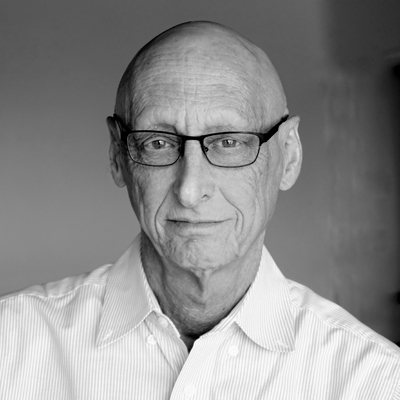
Miles Reyes, MD – Minority and Underrepresented Groups Representative


April Council Highlights
by Roderick Shaner, MD
Meeting Date: April 9, 2026
Next Meeting: May 14, 2026, 7:00 PM (Zoom)
President’s Report – Dr. Kelly
- Clinical Advocacy by SCPS form Improved Clozapine Access: Council voted to request that APA develop an effective response to ensure that new and better guidelines to replace the now-discontinued FDA REMS requirements. The action was based upon a joint recommendation from the Access to Care and GA committees as presented by Dr. Kelly. Dr. Rees noted that, without new authoritative guidelines, pharmacies and insurance companies have not changed their practices. This situation places ongoing burdens for patients and uncertainty for doctors.
Passed motion: That SCPS request that Access for Care Committee develop an Assembly action paper, hopefully in concert with other district branches, requesting that the APA prioritize advocacy for updated FDA guidelines or the production of new APA guidelines for clozapine monitoring that reflect current evidence-based practices, and then actively promulgate these guidelines.
President‑Elect’s Report – Dr. Halpin
- Newsletter: Halpin presented highlights of the April Advocacy issue, noting the broad range of articles on legislative advocacy, and she thanked the authors and guest editors. She invited contributions for the May issue.
Treasurer’s Report – Dr. Friedman
- March Financials: Friedman reported that, for the month, dues collection is under budget by about $8,580, and for the year-to-date is under budget by about$13,795. April 1st was the APA membership drop date, but a significant number of dropped members generally come back before the end of the year, and we will likely meet the projected budget. For the year SCPS is under budget by $25,456—including $14,889 total loss for the year in reflecting instability in securities investments. Mindy provided additional context on the financial position, noting that while there was a loss in mutual funds, funding typically evens out over the year.
Assembly Report – Dr. Silverman
- Area 6 Council Meeting of February 3: Silverman reported that the April Area 6 Council meeting had not yet been convened. The Area 6 Council is currently considering 28 action papers and nominations for the early career (ECP) representative position. Mindi will facilitate efforts to ensure that interested SCPS ECP candidates submit materials to Area 6 Nominations Committee for ECP representative to the Assembly.
Government Affairs – Drs. Wood/Halpin
Report on meeting of April 7th, 2026: Drs Woods, Halpin, and other committee members discussed key topics, including:
- AB1676 (Stephani) Mental health services: assisted outpatient treatment: involuntary medication: Allows counties to petition courts for involuntary medication orders for individuals in or eligible for AOT—independent of or concurrent with an AOT petition. CSAP supports. While GAC recommended an Oppose position based on its inclusive language for NPs that could broaden NP scope, Council voted instead to Support if Amended. Acceptable amendments would mandate involvement of psychiatrists in such court processes. This position was felt to better preserve organized psychiatric relationships with NAMI and other allies who, like CSAP, strongly support the main goals of the bill.
Passed Motion: That SCPS representatives to the CSAP GAC and CSAP Board would be requested to bring forward the AB1676 Support if Amended position. (Note: This bill was withdrawn by the author within the next few days).
- IMO orders in Riverside County: Council addressed issues with involuntary medication orders in Riverside County, where there is no system for combining these orders with the IST process. Dr. Wood proposed creating a task force to address this issue, involving public defenders, the judicial council, and NAMI, and invited others to join or suggest ideas.
- Riverside Public Guardian hesitation to pursue conservatorships: Riverside Councilors indicated that the Riverside PG office has no system for combining these orders with the IST process, which differs markedly from the situation in almost all other counties. After discussion, the sense of council was that the PG office might be responding to the Riverside District Attorney’s office, which reportedly has a reputation opposing such powers. Council discussed addressing this issue with Riverside County Government, perhaps in coordination with Riverside NAMI groups. The task force purpose would be to educate the Riverside Board of Supervisors about this situation and perhaps motivate them to act on behalf of families who are suffering as a result. Riverside Councilors will explore these ideas further.
- Absence of an NP bill: The absence thus far of the anticipated nurse practitioner bill was noted, although similar attempts to decrease the rigorousness of NP clinical training through administrative means remains a danger.
- Medi—Cal RX enrollment: Wood discussed the results of conversations with Cal HHS, which indicates that Medi-Cal RX enrollment by psychiatrists would not obligate enrollees to accept Medi-Cal patients, but would provide more flexibility in prescribing.
- Medi—Cal RX enrollment: Wood discussed the results of conversations with Cal HHS, which indicates that Medi-Cal RX enrollment by psychiatrists would not obligate enrollees to accept Medi-Cal patients, but would provide more flexibility in prescribing.
- District Branches convening outside of Area Council structures: Wood reviewed and announced an upcoming district branch advocacy meeting to be convened on April 29th to discuss federal issues and potential coalitions among district branches.
CSAP PAC – Dr. Shaner
- Shaner reported that the PAC board meeting is tentatively scheduled for April 22nd, with discussions about supporting candidate campaigns pending majority confirmation. with an understanding that an earlier anticipated nurse practitioner bill with serious implications for quality of care was not considered less likely, at least in its current form.
SCPS PAC TASK FORCE – Dr. Halpin
- Halpin indicated that the SCPS PAC ad hoc workgroup has not yet scheduled a further meeting, anticipating that SYASL will bring together legal/accounting experts to provide guidance to Area 6 DBs on PAC contributions, organizational contributions, and related legal/tax issues.
Committee Reports
- Private Practice: Goldenberg reported on the successful “Private Practice 101” event on March 18 and announced that a Private Practice 101 Part 2 event is now scheduled for Mary 13th at 7:30 PM and encouraged attendance.
- AI in Psychiatry: Pylko related a committee discussion concerning a statement of principles for AI enterprises that has been endorsed by a variety of non-medical organizations, entitled “A Pro-Human AI Declaration.” Council members expressed their strong support for developing an official SCPS position regarding aspects of AI specifically addressed psychiatric concerns, perhaps in concert with other medical organizations, or signing on to an already existing medically focused statement, if one exists.
Passed motion: That the AI committee develop and a statement of principles or position paper on AI specifically related to psychiatric and medical concerns, and report back to Council on their progress, and on other medical/psychiatric organizations working on similar issues.
- Diversity and Culture: Khan related the committee recommendation for Shayan Rab, MD, to receive the George Mallory Award, which was ratified by the Council.
The Southern California PSYCHIATRIST
ALL EDITORIAL MATERIALS TO BE CONSIDERED FOR PUBLICATION IN THE NEWSLETTER MUST BE RECEIVED BY SCPS NO LATER THAN THE 1ST OF THE MONTH.
NO AUGUST PUBLICATION. ALL PAID ADVERTISEMENTS AND PRESS RELEASES MUST BE RECEIVED NO LATER THAN THE 1ST OF THE MONTH.
SCPS website address: www.socalpsych.org
© Copyright 2026 by Southern California Psychiatric Society
Southern California PSYCHIATRIST is published monthly, except August by the:
Southern California Psychiatric Society
P.O. Box 10023
Palm Desert, CA 92255
(310) 815-3650
Permission to quote or report any part of this publication must be obtained in advance from the Editor.
Opinions expressed throughout this publication are those of the writers and, unless specifically identified as a Society policy, do not state the opinion or position of the Society or the Editorial Committee. The Editor should be informed at the time of the Submission of any article that has been submitted to or published in another publication.
Disclaimer
Advertisements in this newsletter do not represent endorsement by the Southern California Psychiatric Society (SCPS), and contain information submitted for advertising which has not been verified for accuracy by the SCPS.
SCPS Officers
President – Laura Halpin, M.D., Ph.D.
President-Elect – Gillian Friedman, M.D.
Treasurer – Daniel Fast, M.D.
Secretary – Manal Khan, M.D.
Councillors by Region (Terms Expiring)
Inland – Kayla Fisher, M.D. (2027); Vacant
San Fernando Valley – Yelena Koldobskaya (2028); Kelsey Badger, M.D. (2029)
San Gabriel Valley/Los Angeles-East – Timothy Pylko, M.D. (2029); Vacant
Santa Barbara – Nassi Navid, M.D. (2029)
South Bay – Steven Allen, M.D. (2027)
South L.A. County – Emily Wood, M.D., Ph.D. (2026)
Ventura – Danielle Shaw, M.D. (2029)
West Los Angeles – Haig Goenjian, M.D. (2027); Tanya Josic, D.O. (2027); Lloyd Lee, D.O. (2027); Alex Lin, M.D. (2029)
ECP Representative – Ruqayyah Malik, M.D. (2027)
ECP Deputy Representative – Dustin Wong, D.O. (2028)
RFM Representative – Ola Egu, M.D. (2027); Daniel Resnick, M.D. (2027)
MURR Representative – Miles Reyes, M.D. (2027)
MURR Deputy Representative – Vanessa Markgraf, M.D. (2028)
Past Presidents – Matthew Goldenberg, D.O.; Galya Rees, M.D.; Patrick Kelly, M.D.
Federal Legislative Representative – Laura Halpin, M.D., Ph.D.
State Legislative Representative – Emily Wood, M.D., Ph.D.
Public Affairs Representative – Christina Ford, M.D.
Assembly Representatives – Matthew Goldenberg, D.O. (2029); Ijeoma Ijeaku, M.D. (2027); Patrick Kelly, M.D. (2030); J. Zeb Little, M.D., Ph.D. (2030)
Executive Director – Mindi Thelen
Website Publishing – Tim Thelen
SCPS Newsletter Editor – Gillian Friedman, M.D.