
Southern California PSYCHIATRIST – Volume 74, Number 3 – November

In This Issue
President’s Column – Uniting for Impact by Patrick Kelly, MD
Psychiatrists Added Moral Injury To DSM-5-TR: Are We Now Experiencing It Ourselves? by Gillian Friedman, MD
Nitrous Oxide Misuse: A Re-Emerging Neuropsychiatric Concern by Bobbie Alcanzo, MD
Reflections from Camarillo by Joseph Vlaskovits, MD
In Loving Memory of Dr. Simon “Steve” Maurice Soldinger – May 7, 1951 – October 11, 2025
APA Federal Advocacy Conference
George L. Mallory Diversity, Culture and Social Justice Award Guidelines
September Council Highlights by Roderick Shaner, MD
Follow us on Instagram

President’s Column – Uniting for Impact
by Patrick Kelly, MD
October has been an eventful month in the field of psychiatry!
Earlier this year, I reflected on the breadth of our field—the many subspecialties and numerous local, regional, and national organizations dedicated to supporting psychiatrists and their patients. We achieve more when we work together than when we travel separately. Yet I’m often struck by how many of our organizations pursue similar endeavors without always being aware of one another’s efforts.
Fall is a busy season for psychiatry, with several national organizations holding their annual meetings. The American Academy of Psychiatry and the Law convened in late October in Boston, while the Association of Medicine and Psychiatry met in our own backyard in Newport Beach. The American Academy of Child and Adolescent Psychiatry gathered in Chicago to induct their new President for a two-year term. His Presidential Initiative—”Working Together: Innovation for Impact”—echoes a common theme I’ve observed: we advance our individual goals most effectively by drawing on the collective resources of our field.
Our parent organization, the American Psychiatric Association, achieved a significant milestone in October with the release of its Strategic Plan. This document articulates the APA’s mission, vision, and values to provide clear guidance for decision-making and establish a unifying framework for future progress. While a strategic plan may seem unnecessary for an organization with such extensive history, a commonly agreed-upon foundation of principles can serve as critical leverage in fraught or divided times, allowing leadership to manage more clearly and effectively as novel problems or questions emerge.
At first glance, the core tenets may seem self-evident – even intuitive. However, when considered in light of challenging discussions facing our field, these seemingly simple statements reveal themselves as critical guideposts. Consider the APA’s stated mission: “To champion psychiatrists’ medical leadership in advancing mental health and delivering high-quality care to improve patients’ lives.” This mission statement provides clarity on fundamental questions. For instance, should the organization open membership to non-physician allied professionals? The mission itself suggests an answer: such a change would not align with our commitment to championing physician leadership.
Similarly, one of the five key guiding principles declares “Science as Our Foundation”—a commitment to ground “every decision in evidence and clinical rigor to ensure patient-centered, high-quality care for all.” This value creates a clear path forward when the organization must respond to non-evidence-based statements from government agencies or other entities. While the APA has stated it will not critique specific individuals, this strategic plan establishes an inherent responsibility to champion evidence-based medicine and stand firmly for evidence and truth against ideologically driven disinformation.
The value that most resonates with me is “Uniting for Impact”—the commitment to “strategically engage with District Branches and collaborate closely with subspecialties and other organizations to accelerate our impact.” I’m encouraged by this strategic plan, that it can begin a new season for psychiatry as a whole. I believe it will enable the APA’s CEO (who, as a show of unity, made an in-person appearance at the AACAP meeting in Chicago) and the Board of Trustees to guide our organization toward a more purposeful future in supporting our field, our membership, and our patients.
I look forward to a more unified field of psychiatry. Unity does not mean homogeneity—each of our subspecialties and organizations brings unique perspectives and distinctive strengths. But by uniting around common purposes, we can achieve progress that would elude any of us working alone. I’m optimistic as the APA Strategic Plan begins implementation, as its core mission, vision, and values align closely with those of other organizations and with our own at SCPS: to place patients first, to advocate for their benefit, to champion physician leadership in mental health care, to fight for evidence-based care against ideology and disinformation, and—perhaps most importantly—to seek unity of purpose in advancing our field.
I almost always leave October’s meetings—whether virtual or in person—with renewed excitement and purpose around psychiatric practice, and this season proved no different. I hope you feel the same. But if you don’t—for this can also be a season of burnout—remember that we remain here for you. Being united in community means sometimes being the force moving things forward, and sometimes leaning against the community for strength. Wherever you find yourself heading into this next season, I remain, as always, delighted to move forward together with you.


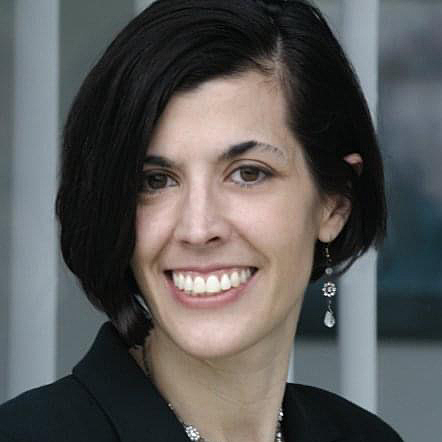
Psychiatrists Added Moral Injury To DSM-5-TR: Are We Now Experiencing It Ourselves?
Gillian Friedman, MD
Moral Distress and Moral Injury are concepts that have grown in the past few decades from research and clinical treatment of trauma-related disorders in veterans, to recognition that they may occur in other scenarios. The key component of moral distress is psychological harm that goes beyond witnessing a traumatic event – it arises from witnessing, committing, or being subject to actions that violate one’s moral code. With moral injury this moral distress occurs to the extent of challenging one’s entire understanding of good and evil, or goodness of oneself, others, or important institutions. Notable recent research into conceptualization, assessment, and clinical impact of moral distress and moral injury has been done by the Human Flourishing Program at Harvard University’s T. H. Chan School of Public Health. (1)
With the publication of DSM-5-TR, the unique psychological harm that can come from moral distress and moral injury are recognized by the American Psychiatric Association as a separate focus influencing psychological health.
The DSM-5-TR description parallels the Human Flourishing Program’s conceptualization, and resides in the “V” codes (“Z” codes in ICD-10) describing “other specified problems related to psychosocial circumstances”:
V62.89 (Z65.8) Moral, Religious, or Spiritual Problem
This category may be used when the focus of clinical attention of a moral, religious, or spiritual problem. Moral problems include experiences that disrupt one’s understanding of right and wrong, or sense of goodness of oneself, others or institutions. Religious or spiritual problems include distressing experiences that involve loss or questioning of faith, problems associated with conversion to a new faith, or questioning of spiritual values that may not necessarily be related to an organized church or religious institution. (2)
The COVID-19 epidemic spawned an increase in research on moral injury among health care workers. Such research usually focuses on morally challenging situations and their impact on individuals – for example, when health care workers’ moral values about the care they owe to patients collided with realities of stark resource shortages, a new and unknown pathogen, and fears about harming their own families. Moral Injury can trigger a range of psychological sequelae: resentment, shame, guilt, anger, powerlessness, frustration, learned helplessness, hopelessness resignation. It raises the risk for burnout, depression, anxiety, sleep disorders, and job turnover. (3)
We are no longer facing the widespread upheaval of systems by COVID-19. But our health care system is facing a different kind of seismic change, far different for some of us from the ebb and flow of resources allocated to different social service programs over previous state and national Democratic and Republican administrations. And U.S. physicians in general – and psychiatrists in particular – may be at risk of moral distress and moral injury.
Most of us became physicians without ever questioning that the institutions making progress decade over decade in helping us protect our own health and that of our patients – the United States Public Health Service, the Food and Drug Administration, the Centers for Disease Control, etc. – would remain science-based and apolitical. For many physicians, being a doctor is not our job, it’s our identity – and that identity is challenged as scientific discourse falls under attack. Psychiatric treatment has been a particular target in the rhetoric politicizing of our health care institutions.
As distress about this loss of scientific integrity collides with the largest cuts in history to the most important insurance source covering mental health services – more than one in three nonelderly adults enrolled in Medicaid have a mental illness (35%), including 10% with a serious mental illness – psychiatrists may find themselves facing moral distress and moral injury.
What can we do?
- Moral distress and moral injury need to be acknowledged and validated
- Talk with colleagues, mentors, and others facing similar distress
- Practice self-care in other areas of our lives
- This is a great time to increase our role in organized psychiatry – there are always some areas where we will have agency and traction
Endnotes
- VanderWeele TJ, Wortham JS, Carey LB, Case BW, Cowden RG, Duffee C, Jackson-Meyer K, Lu F, Mattson SA, Padgett RN, Peteet JR, Rutledge J, Symons X and Koenig HG. Moral trauma, moral distress, moral injury, and moral injury disorder: definitions and assessments. Front Psychol. 2025;16:1422441. Doi: 10.3389/fpsyg.2025.1422441
- American Psychiatric Association (2022). Diagnostic and statistical manual of mental disorders (5th, text rev.). American Psychiatric Association.
- Heitzman C, Waldboth V, Mezger M. Moral injury in mental health nursing: A qualitative descriptive study in Switzerland. Int J Ment Health Nurs. 2025;34(4): e70099. Doi: 10.1111/inm.70099


Nitrous Oxide Misuse: A Re-Emerging Neuropsychiatric Concern
by Bobbie Alcanzo, MD
Recreational nitrous oxide use has become an increasingly important topic of both clinical and public health concern. Originally popularized in the 19th century within medical and dental settings for its anesthetic and analgesic properties, nitrous oxide has since found broad application beyond healthcare in the food, automotive, and electronics industries.1 This has made it far more accessible to the public. In recreational contexts, it is commonly misused for its euphoric, anxiolytic, and dissociative effects. The most frequent mode of misuse is through whipped cream chargers, colloquially known as “whippets,” which are legal and inexpensive. This widespread availability in vape shops, grocery and convenience stores, and gas stations has contributed to its growing popularity among younger individuals.2
When examining prevalence data, nitrous oxide use is typically categorized under the broader “inhalant” category, alongside volatile solvents, aerosols, gases, and nitrites. According to the National Survey on Drug Use and Health (NSDUH), lifetime nitrous oxide use among Americans has remained relatively stable in recent years – approximately 4.6% between 2020 and 2023.3,4 However, deaths from nitrous oxide poisoning among individuals aged 15 to 74 have risen sharply – from 23 deaths in 2010 to 156 in 2023 – totaling 1,240 fatalities over the 13-year period.5 Local data from the Orange County Health Care Agency (HCA) similarly showed that emergency department diagnoses associated with nitrous oxide exposure in California increased from 76 cases in 2018 to 263 in 2023.6,7 The true prevalence is likely much higher due to underreporting, as many users do not seek care or disclose inhalant use, and neurological complications are often misattributed to other causes. Despite these limitations, emerging trends highlight a growing issue of clinical relevance that warrants greater attention among psychiatric and emergency care providers.
Clinicians should be able to recognize both the signs of acute intoxication and the features of chronic nitrous oxide misuse. Within seconds to minutes of inhalation, individuals typically experience euphoria and relaxation due to the gas’s anxiolytic and dissociative properties. These effects are frequently accompanied by undesirable symptoms such as dizziness, disorientation, impaired balance, transient weakness, blurred vision, numbness or tingling in the fingers, nausea, headache, vomiting, and short-term memory impairment.1,8,9 In some cases, hallucinations or an altered sensorium may also occur. Because nitrous oxide is stored in pressurized canisters and released at extremely cold temperatures, direct inhalation can cause frostbite of the skin or airways and carries a risk of hypoxia. To reduce this risk, users commonly transfer the gas into a balloon before inhaling. Although the acute effects are generally self-limited, intoxication can impair coordination and lead to accidents. In rare but severe cases, hypoxic injury or asphyxia may occur if the gas is inhaled without adequate oxygenation.2
High-dose or prolonged exposure to nitrous oxide, spanning hours to days, can cause significant neurotoxicity by disrupting vitamin B₁₂-dependent pathways.9 The resulting functional B₁₂ deficiency impairs DNA and myelin synthesis, leading to demyelination and symptoms such as paresthesia, ataxia, and myeloneuropathy. If left untreated, this can progress to subacute combined degeneration involving the dorsal columns, lateral corticospinal tracts, and spinocerebellar tracts. Prolonged exposure has also been linked to thromboembolic complications, possibly related to elevated homocysteine levels.10
Psychiatric manifestations – including agitation, mood lability, and psychosis – have also been reported in the context of heavy or repeated nitrous oxide use, though the underlying mechanisms remain under investigation. One proposed pathway involves disruption of the B₁₂-folate-methionine cycle, leading to increased tetrahydrobiopterin (BH₄) and altered synthesis of monoamines such as dopamine, serotonin, and norepinephrine. Another proposed mechanism suggests that psychosis may arise secondary to cerebral hypoxia, methemoglobinemia, or acid-base disturbances, particularly in cases involving prolonged or confined inhalation.11,12
Currently, no formal, universally accepted treatment guidelines exist for nitrous oxide-induced neurotoxicity. Nevertheless, there is broad consensus within the medical community on the primary treatment approach, supported by clinical evidence, established practice, and published reviews. The management of nitrous oxide misuse and its associated neurotoxicity necessitates a multidisciplinary approach. The cornerstone of treatment is the cessation of nitrous oxide use.13 Limited studies have suggested potential benefits of parenteral vitamin B₁₂ supplementation, and some reports have proposed adjunctive methionine therapy.14 Isolated case reports have also described the use of naltrexone to reduce cravings, though controlled trials are lacking.15,16 Patients with persistent neurological deficits, such as weakness, ataxia, or gait disturbances, may benefit from physical rehabilitation. Referral to mental health and addiction support services is also often warranted to address underlying substance use and prevent relapse.
When nitrous oxide toxicity is suspected, clinicians should obtain a detailed history, perform a comprehensive physical and neurological examination, and order appropriate laboratory studies and imaging to assess for B₁₂ deficiency and related complications. Harm reduction counseling should also be a routine part of care for patients who use or are suspected of using inhalants. It is important to emphasize safety measures such as avoiding direct inhalation from pressurized chargers, refraining from use in enclosed or poorly ventilated spaces, and accessing resources like the Never Use Alone hotline, which offers real-time safety monitoring and emergency response. 2,7,17 Patients should also be cautioned about the dangers of concurrent use with other substances that cause respiratory depression, as many individuals perceive nitrous oxide as harmless and may unknowingly increase their risk of hypoxia or fatal respiratory compromise. These conversations not only reduce immediate harm but also promote engagement in ongoing treatment and recovery.
Nitrous oxide misuse is a re-emerging concern with wide-ranging clinical implications across diverse medical settings. Although often perceived as harmless, its use carries significant risks that can result in serious impairment, accidents, or even death. Repeated exposure has been linked to neuropsychiatric complications such as myeloneuropathy, cognitive decline, and in some cases, psychosis. Early recognition, prompt medical evaluation, and patient education are essential to prevent long term impairment. Psychiatrists play a vital role in identifying at-risk individuals, addressing co-occurring psychiatric and substance use disorders, and incorporating harm-reduction counseling into comprehensive care.
References:
- Allan J, Cameron J, Bruno J. A Systematic Review of Recreational Nitrous Oxide Use: Implications for Policy, Service Delivery and Individuals. Int J Environ Res Public Health. 2022;19(18):11567. doi:10.3390/ijerph191811567
- Vohra V, Matthews H, Stroh-Steiner G. Notes from the Field: Recreational Nitrous Oxide Misuse — Michigan, 2019–2023. MMWR Morb Mortal Wkly Rep 2025;74:210–212. doi:10.15585/mmwr.mm7412a3
- S. Department of Health and Human Services, Substance Abuse and Mental Health Services Administration, Center for Behavioral Health Statistics and Quality. (2021). 2020 National Survey on Drug Use and Health. Retrieved from https://www.samhsa.gov/data/
- S. Department of Health and Human Services, Substance Abuse and Mental Health Services Administration, Center for Behavioral Health Statistics and Quality. (2025). 2023 National Survey on Drug Use and Health. Retrieved from https://www.samhsa.gov/data/
- Yockey RA, Hoopsick RA. US Nitrous Oxide Mortality. JAMA Network Open. 2025;8(7):e2522164. doi:https://doi.org/10.1001/jamanetworkopen.2025.22164
- OC Health Care Agency. Special Report – Nitrous Oxide: Assessment of Use and Policy Recommendations. 2025.
- California Department of Health Care Access and Information (HCAI). Patient Discharge Data and Emergency Department Data. 2018-2023.
- Sedore S. Let’s “Whippit” Away: Nitrous Oxide Misuse and Its Complications. The American journal of psychiatry residents’ journal. 2023;19(2):2-4. doi:10.1176/appi.ajp-rj.2023.190201
- Hathout L, El-Saden S. Nitrous oxide-induced B₁₂ deficiency myelopathy: Perspectives on the clinical biochemistry of vitamin B₁₂. J Neurol Sci. 2011;301(1-2):1-8. doi:10.1016/j.jns.2010.10.033
- Oulkadi S, Peters B, Vliegen AS. Thromboembolic complications of recreational nitrous oxide (ab)use: a systematic review. J Thromb Thrombolysis. 2022;54(4):686-695. doi:10.1007/s11239-022-02673-x
- Hutto BR. Folate and cobalamin in psychiatric illness. Compr Psychiatry. 1997;38(6):305-314. doi:10.1016/s0010-440x(97)90925-1
- Brodsky L, Zuniga J. Nitrous oxide: a psychotogenic agent. Compr Psychiatry. 1975;16(2):185-188. doi:10.1016/0010-440x(75)90065-6
- Halleux CD, Juurlink DN. Diagnosis and management of toxicity associated with the recreational use of nitrous oxide. CMAJ. 2023;195(32):E1075-E1081. doi:10.1503/cmaj.230196
- Swart G, Blair C, Lu Z, et al. Nitrous oxide-induced myeloneuropathy. Eur J Neurol. 2021;28(12):3938-3944. doi:10.1111/ene.15077
- Staudenmaier PJ, Kane V, Iyer A, Campion P. A Case Report of a Dual Diagnosis Patient: Naltrexone for the Treatment of Severe Nitrous Oxide Use Disorder with Associated Neurological and Psychiatric Sequelae. Journal of Scientific Innovation in Medicine. 2023;6(1). doi:10.29024/jsim.155
- Ickowicz S, Brar R, Nolan S. Case Study: Naltrexone for the Treatment of Nitrous Oxide Use. J Addict Med. 2020;14(5):e277-e279. doi:10.1097/ADM.0000000000000642
- Never Use Alone – Meeting people where they are, on the other end of the line, one human connection at a time. Never Use Alone. https://neverusealone.com/


Reflections from Camarillo
by Joseph Vlaskovits, MD
“…They are closing what is generally acknowledged as the premier institution in the world for the developmentally disabled and the mentally ill. And it’s going to take some hard lessons before people realize that this retrenchment and lowering of priorities for the mentally ill was a very serious blunder…These people are going to be lined up in our emergency rooms, they’re going to wind up in our jails. It means there’s going to be much more vagrancy. And it means there’s going to be an extraordinary increase in the burden on families. It means we’re going back to the 19th century, before we had state hospitals…”
– The late Robert P. Liberman, M.D. quoted on the closure of the Camarillo State Hospital in the L.A. Times on February 17, 1997.
Following its closure, an extraordinary effort by local leaders eventually turned the Cam State campus into California State University Channel Islands (CSUCI).
Those events took place around the time I started medical school, and once I was in practice, I only had a couple of brief opportunities to speak with the renown Dr. Liberman, whose efforts in rehabilitating people with severe and persistent mental illness is legendary.
The closure of Cam State, as he correctly predicted, continues to reverberate today.
I often visit the stunningly beautiful South Quad, where a field of grass is surrounded by Mission Revival style buildings, and I become aware of my deeply mixed feelings. A tremendous sense of loss of a sanctuary for our patients, its attendant effects on them, and awareness of the on-going scars of transinstutitionalisation, come to the fore. Somehow, simultaneously, I am glad that the campus was saved for CSUCI, which provides critical higher education opportunities for first-generation students and as a Hispanic-Serving Institution. Equally, I am delighted that our senior resident psychiatrists provide student mental health services. Yet, I am also reminded of the incongruity of the clinic’s location in the iconic Bell Tower building.
At the beginning of our academic year, we bring our new interns to see and contemplate this, in the hope that they will learn from this very hard social lesson and once ready, that they will choose to advocate for our most vulnerable patients.
The loss of Cam State also manifests in other ways for me.
Less than a five-minute drive away, I am fortunate to be the attending psychiatrist for 15 patients at the only unlocked licensed Mental Health Rehabilitation Center in the state. Our patients are exactly those who would have been treated at Cam State; they suffer from severe and persistent mental illness. The key difference, though, is because Cam State never existed for them, as Dr. Liberman predicted, they have been homeless, arrested, jailed, traumatized, and ostracized from society, numerous times before their admission to us. The staff do an incredible job in helping provide for a therapeutic community, individual and group psychotherapy, family reunification and vocational rehabilitation – all consistent with Dr. Liberman’s proven philosophy. The aim of the program is to graduate people to less structured settings and teach them how to live in our community and avoid future institutionalization. But the scale is a tiny fraction of what Cam State accomplished, and almost always comes after tremendous harm to the individual.
In fairness, through recent legislative programs such as the Behavioral Health Continuum Infrastructure Program and voter approved Proposition 1, perhaps the need to build institutions to replace what was lost is starting to be addressed. However, at present, their promises seem a bit like a mirage.


In Loving Memory of Dr. Simon “Steve” Maurice Soldinger
May 7, 1951 – October 11, 2025
Passed away peacefully in Tarzana, California.
Dr. Simon “Steve” Maurice Soldinger lived a life defined by compassion, curiosity, and a deep understanding of the human spirit. A highly respected psychiatrist, Steve dedicated his career to helping others find healing, balance, and hope.
He was deeply involved with the American Psychiatric Association, the Southern California Psychiatric Society, and the American College of Psychiatrists — organizations through which he actively pursued medical collaboration and the exchange of cutting-edge knowledge in psychiatry. His commitment to these associations reflected his lifelong belief in the importance of progress, integrity, and scientific advancement within the field of mental health.
Equally dear to his heart was his decades-long affiliation with Phi Delta Epsilon, his beloved medical fraternity. Unlike his professional endeavors, Steve’s work with Phi Delta Epsilon was rooted in mentorship, education, and the joy of helping medical students achieve their goals and ambitions. Through countless hours of guidance, encouragement, and leadership, he inspired new generations of physicians to approach medicine not only with intellect, but with empathy and purpose. His involvement in the fraternity brought him lasting friendships, profound satisfaction, and a legacy of mentorship that will continue to shape lives for years to come.
Above all else, Steve was a devoted family man. He was a loving and supportive husband whose partnership brought warmth, laughter, and balance to every day. As a father, he was a steady source of wisdom, patience, and unconditional love — an incredible dad to his daughter, Mara, and a guiding, caring presence to his stepchildren, Cindy and Jason. As a grandfather, he found immeasurable joy in his grandson, Evan, with whom he shared a special love of history and conversation. Their time together brought Steve great pride and happiness, a reflection of the deep curiosity and warmth that defined his relationships. His
family was the center of his world, and the joy he took in watching them grow and thrive was one of the truest reflections of his heart.
Beyond his professional life, Steve was known for his warmth, wit, and fun-loving spirit. He had a quick smile, a sharp sense of humor, and a remarkable ability to make everyone feel heard and valued. Whether sharing stories with friends, mentoring students, or spending time with family, Steve’s generous heart and easy laughter left an enduring impression on all who knew him.
He is survived by his devoted wife, Terri Soldinger; his beloved daughter, Mara Soldinger; his cherished stepchildren, Cindy Sablow and Jason Istrin; and his adored grandson, Evan Sablow.
True to his giving nature, Steve’s final gift was one of compassion and purpose — the donation of his body to help those in need and to further the advancement of medical research. It is a lasting reflection of the kindness and humanity that guided his life.
Steve will be remembered for his intellect, his empathy, his humor, and the profound difference he made in so many lives.
A Life Well Lived
The family appreciates your love and support during this time
a Note from the Executive Director:
Steve had been active at SCPS for almost as long as I have been employed at SCPS (34 years). He has been a force (if you knew him, you know exactly what this means). He could have quit his service to the organization a long time ago, but didn’t. He kept finding more ways to help out. Stay involved. His laughter and his presence will be missed.
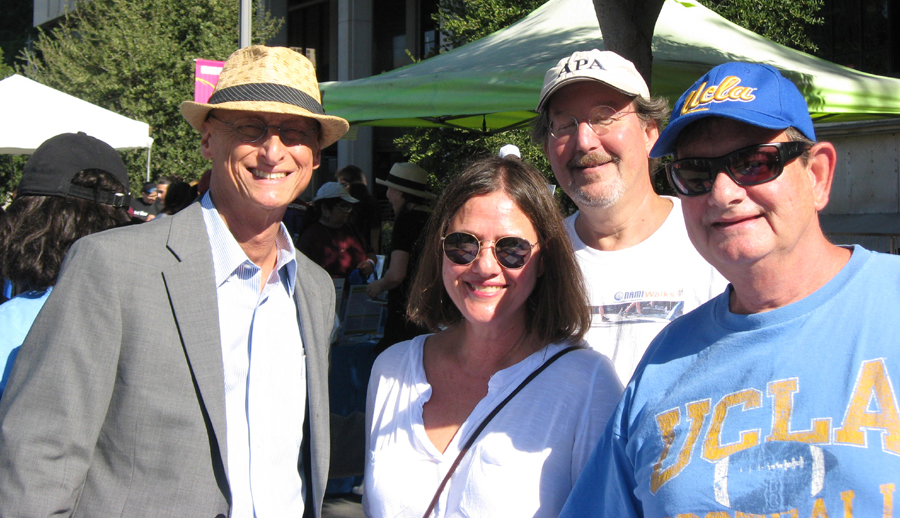

APA Federal Advocacy Conference – October 6th and 7th, 2025
This year at the APA Federal Advocacy Conference the focus was on supporting bills to increase telehealth, collaborative care models, and funding residency spots to meet the need of the psychiatrist shortage. We visited offices and met with staff of: Reps Ted Lieu, Mark Takano, Lou Correa, and Senators Adam Schiff and Eric Padilla.
Photos courtesy of SCPS Council Member, Austin Nguy, MD. Pictured along with Dr. Nguy are APA President-elect, Mark Rapaport, MD and C. Freeman, MD who were both part of the California delegation for lawmakers.


George L. Mallory Diversity, Culture and Social Justice Award Guidelines
Please see the following guidelines to apply for the George L Mallory Diversity, Culture and Social Justice Award.
Please send materials to socalpsychiatric@gmail.com
Award Description: The Diversity and Culture committee is very excited to announce the George L. Mallory Diversity, Culture and Social Justice Award. This award recognizes a Southern California psychiatrist for their exceptional contribution to advocacy, teaching, research and/or leadership aimed at countering structural racism and advancing our understanding of culture and diversity in psychiatry.
This memorial award is named in honor of Dr. George L. Mallory, a prominent educator, psychiatrist and civil rights activist who dedicated his life to treating the underserved in Los Angeles County. Dr. Mallory was one of the first staff members of Martin Luther King Jr./Drew Medical Center, a president of the Black Psychiatrists of Southern California, and the recipient of numerous awards. The purpose of the George L. Mallory Award is to honor current psychiatrists who are continuing this important work in reshaping public mental health to be more inclusive and equitable to all. The Committee encourages SCPS members to send in nominations (self-nominations accepted) for consideration for this award. For more information including past awardees please visit: https://www.socalpsych.org/about/diversity-culture-committee/
Application opens: November 1, 2025
Application closes: January 15, 2026
Nomination Process: Self-nominations and 2nd party nominations welcomed
Application Requirements: Description of the nature of your commitment to justice, equity, diversity and inclusion (1-2 pages). A copy of your CV (1-5 pages).
Selection Criteria:
● Award recipient should demonstrate a historical contribution and ongoing commitment to advocacy, teaching, research and/or leadership aimed at countering structural racism and advancing our understanding of culture and diversity in psychiatry
● Award recipient must be a psychiatrist serving in the SCPS regions
● Award recipient must submit their application materials by the published deadline in order to be considered
Award Recipient selected by: February 25, 2026
Awards Ceremony: Spring 2026. The award recipient is strongly encouraged to attend the SCPS Installation and Awards Ceremony to be recognized in person.
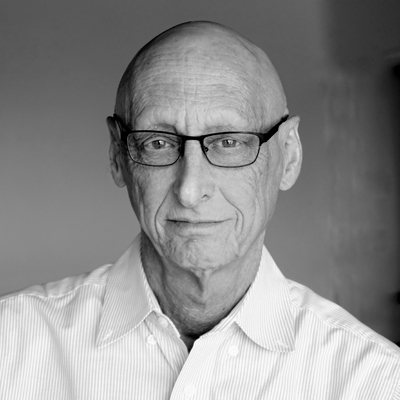
September Council Highlights
by Roderick Shaner, MD
The September Council meeting took place on September 11, 2025, from 7-9 PM.
I. President’s Report
a. New Federal Issues Taskforce: Recognizing the growing number of federal challenges in psychiatry, Dr. Kelly proposed a new task force to tackle them. Council members agreed, and volunteers were invited to join.
b. Special elections and appointments: Laura Halpin was nominated and ratified as a candidate for SCPS President-Elect. Several key appointments were made, including Assembly Rep (Dr. Justin Nguyen), DMURR (Dr. Miles Reyes), D+C Chair (Dr. Austin Nguy), Disaster Committee co-chair (Dr. Amy Woods), South LA Councilor (Dr. Emily Wood), and Women’s Committee Chair (Dr. Misty Richards).
c. New AI Committee: A fresh committee was launched to explore AI’s impact on psychiatry, chaired by Dr. Tim Pylko. Members with interest or expertise were encouraged to join.
d. Response to the MAHA Report: Concerns were raised about the Make America Health Agenda (MAHA) promoted by Health Secretary Robert F. Kennedy Jr. Dr. Wood presented a draft letter calling for his removal, citing harmful proposals. After discussion, the Council voted to finalize and publish the letter.
II. Treasurer’s Report
Dr. Halpin reported that SCPS is financially strong, with August income exceeding budget by $21K and $101K year-to-date. Banking transitions are underway due to account management issues.
III. Assembly Report
Assembly Reps shared highlights from the Area 6 Council, including support for Dr. Ijeaku’s action paper on social isolation. Concerns were voiced about APA’s responsiveness to federal issues.
IV. APA Representation Task Force
Dr. Goldenberg presented five proposals which were presented to improve transparency and representation within APA and Area 6. All were passed, including calls for clearer selection criteria for APA Councils, better communication regarding action papers and deadlines,, and staffing support for Area 6 Council . The proposals are designed to enhance the effectiveness of SCPS at a national level.
V. GOVERNMENT AFFAIRS REPORT
Drs. Wood and Halpin lead Council discussion about the implications of a recent Executive Order on crime and disorder, voting to draft a statement on its potential harm to psychiatric patients. Updates on CSAP-sponsored SB 820 (to allow involuntary treatment of individuals incarcerated with misdemeanors) and SB 27 (to broaden eligibility for CARE Court services) were shared.
VI. Committee Reports
a. Membership: Dr. Ijeaku reported 24 new members, including 20 RFMs and 4 GMs.
b. Private Practice: Dr. Goldenberg reported on upcoming talk on risk management and teleprescribing.
c. Social Media: Dr. Rees reported that the committee was working on a new communications plan.
d. Disaster Committee: Mindi reported that the Disaster Committee had resumed actively meeting.
e. Stimulant Issues Task Force: Drs. Goldenberg, Halpin, and Wood shared insights on ADHD medication shortages.
f. Alternatives to Incarceration: Dr. Wood reported ongoing work with NAMI on Men’s Central Jail conditions.

Follow us on Instagram!
SCPS is now on Instagram!
https://www.instagram.com/socalpsychiatricsociety/
The Southern California PSYCHIATRIST
ALL EDITORIAL MATERIALS TO BE CONSIDERED FOR PUBLICATION IN THE NEWSLETTER MUST BE RECEIVED BY SCPS NO LATER THAN THE 1ST OF THE MONTH.
NO AUGUST PUBLICATION. ALL PAID ADVERTISEMENTS AND PRESS RELEASES MUST BE RECEIVED NO LATER THAN THE 1ST OF THE MONTH.
SCPS website address: www.socalpsych.org
© Copyright 2025 by Southern California Psychiatric Society
Southern California PSYCHIATRIST is published monthly, except August by the:
Southern California Psychiatric Society
P.O. Box 10023
Palm Desert, CA 92255
(310) 815-3650
Permission to quote or report any part of this publication must be obtained in advance from the Editor.
Opinions expressed throughout this publication are those of the writers and, unless specifically identified as a Society policy, do not state the opinion or position of the Society or the Editorial Committee. The Editor should be informed at the time of the Submission of any article that has been submitted to or published in another publication.
Disclaimer
Advertisements in this newsletter do not represent endorsement by the Southern California Psychiatric Society (SCPS), and contain information submitted for advertising which has not been verified for accuracy by the SCPS.
SCPS Officers
President – Patrick Kelly, M.D.
President-Elect – Laura Halpin, M.D.
Secretary – Roderick Shaner, M.D.
Treasurer – Gillian Friedman, M.D.
Councillors by Region (Terms Expiring)
Inland – Daniel Fast, M.D. (2027); Kayla Fisher, M.D. (2027)
San Fernando Valley – Matthew Markis, D.O. (2026); Yelena Koldobskaya (2028)
San Gabriel Valley/Los Angeles-East – Reba Bindra, M.D. (2026); Timothy Pylko, M.D. (2026)
Santa Barbara – Anu Bodla, M.D. (2027)
South Bay – Steven Allen, M.D. (2025)
South L.A. County – Emily Wood, M.D., PH.D. (2026)
Ventura – Joseph Vlaskovits, M.D. (2026)
West Los Angeles – Haig Goenjian, M.D. (2027); Tanya Josic, D.O. (2027); Lloyd Lee, D.O. (2027); Alex Lin, M.D. (2026)
ECP Representative – Manal Khan, M.D. (2026)
ECP Deputy Representative – Ruqayyah Malik, M.D. (2027)
RFM Representative – Christopher Chamanadjian, M.D. (2026); Alexis Smith, M.D. (2026)
MURR Representative – Austin Nguy, M.D. (2026)
MURR Deputy Representative – Miles Reyes, M.D. (2027)
Past Presidents – J Zeb Little, M.D.; Matthew Goldenberg, D.O.; Galya Rees, M.D.
Federal Legislative Representative – Laura Halpin, M.D.
State Legislative Representative – Emily Wood, M.D., Ph.D.
Public Affairs Representative – Christina Ford, M.D.
Assembly Representatives – Matthew Goldenberg, D.O. (2029); Ijeoma Ijeaku, M.D. (2027); Justin Nguyen, D.O. (2028); Heather Silverman, M.D.(2026)
Executive Director – Mindi Thelen
Website Publishing – Tim Thelen
SCPS Newsletter Editor – Laura Halpin, M.D.