
Southern California PSYCHIATRIST – Volume 75, Number 2 – October

In this Issue
President’s Column by Laura Halpin, MD, PhD
A Parent’s Perspective: Navigating an ADHD Diagnosis by Adrienne Carter, MD
HHS Pledge by Robert Burchuk, MD
Getting INN Benefits for an OON Provider – A Recent Case by Robert Burchuk, MD
The Psychiatric Value of Memes: Humor as a Defense Mechanism in the Age of Group Chats by Vanessa Markgraf, MD, MS and Wanjiku Dyer
A Refresher on Clozapine: Navigating Monitoring Guidelines and Access in the Post-REMS Era by Ola Egu, MD
June Council Highlights by Manal Khan, MD

President’s Column
by Laura Halpin, MD, PhD
Happy October! Things are getting busy at SCPS as we move into the fall season. One exciting development is the launch of our new Website and IT Committee, which will be chaired by Dr. Patrick Kelly. This committee will help advise Council on matters related to our website, member communications, and other technology initiatives. As technology continues to play an increasingly important role in how we connect, educate, and advocate, we are grateful to have members helping guide these efforts. Please reach out if you are interested in joining this committee.
We are also looking forward to connecting with the next generation of psychiatrists through our upcoming Career Fairs for residents and fellows. This year, we have scheduled two events: December 12, 2026, at the Kaiser Permanente Fontana facility and January 23, 2027, at Kaiser Permanente West Los Angeles. These events provide a wonderful opportunity for trainees to learn more about career paths in psychiatry, connect with mentors and colleagues, and explore potential employment opportunities. We hope many of our members will participate and help showcase the strength and variety of our psychiatric community.
This coming weekend, Council will gather for our annual retreat. In addition to strengthening our relationships with one another, we will spend time discussing our priorities and goals for the year ahead. A major focus will be exploring how we can continue to enhance the value of SCPS membership and improve the overall experience for our members. As always, we welcome your feedback. If you have ideas, suggestions, or concerns, please do not hesitate to reach out. Your input helps shape the direction of our organization and ensures that SCPS remains responsive to the needs of Southern California psychiatrists.
Finally, early voting in California begins in just a few days. As we are seeing now more than ever, decisions made by elected officials can have significant effects on healthcare policy, the practice of medicine, access to psychiatric care, and the well-being of our patients and communities. The American Psychiatric Association has developed a voter resource guide that provides helpful nonpartisan information about voting and civic engagement. I encourage everyone to take a few moments to review the available resources, make a plan to vote, and ensure that your voice is heard this election season.
https://www.psychiatry.org/psychiatrists/advocacy/election-resource-center
Thank you for all that you do for your patients, your communities, and our profession. I look forward to seeing many of you at upcoming SCPS events.


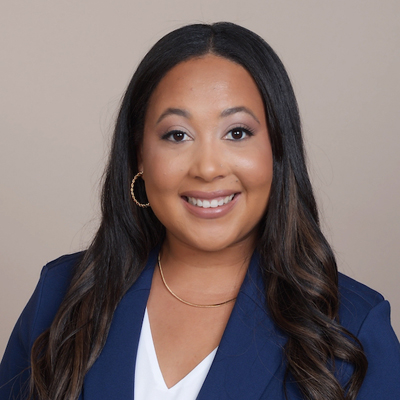
A Parent’s Perspective: Navigating an ADHD Diagnosis
by Adrienne Carter, MD
With the school year now in full swing, children have returned to classrooms with different experiences, learning styles, personalities and needs. For some children, the classroom environment can make difficulties with focus, attention, and impulsive behavior increasingly difficult. For families, behaviors that may have initially been viewed as “just a kid being a kid” can become harder to ignore as they begin to affect a child’s experience at school. What follows can be an emotionally challenging process as families seek answers, sift through misinformation online, and collaborate with educators and clinicians to determine how to best support their child.
Adrienne Carter, M.D. PGY-2 recently spoke to the mother of a young child diagnosed with attention-deficit/ hyperactivity disorder (ADHD) about that experience. The conversation explored early signs she noticed, challenges her child faced in the classroom, her reaction to her son’s diagnosis, her initial hesitation about medication and what she wishes educators, parents and psychiatrists understood about families navigating how to best support a child with ADHD.
This interview has been edited for length and clarity. Identifying details about the child have been omitted to protect their privacy.
Carter: Before we talk about ADHD, tell me a little bit about your child. What is he like?
Parent: My child is very intelligent. He’s rambunctious, but in a good way. He has such a creative personality. He’s very athletic and very kindhearted. He’s just a big ball of energy—but in a good kind of way.
Carter: Thinking back, what were some of the first things you noticed that made you wonder whether something was going on?
Parent: When he was younger, probably around pre-K, his teachers would tell us that he would get out of his seat and walk around the classroom or blurt out answers. At first, we didn’t necessarily think something was wrong. He was five years old and around four-year-olds, so we thought maybe he was bored. A lot of what they were learning, he already knew. We wondered if maybe he needed to be around kids who were closer to his age. We kind of thought, “He’s just a boy being a boy,” or “He’s just a kid being a kid.”
Carter: How did the school respond?
Parent: They started describing it as behavior problems. They pulled us aside and, without actually saying what they thought was going on, suggested that we talk to his pediatrician.
Eventually, they told us he couldn’t come back to class unless he had seen a behavioral therapist. This was a private school at the time. We found a behavioral therapist and worked with her for probably a month and a half or two months. Then the school came back and basically said that he needed to leave.
That was very frustrating to me as a parent because I was thinking, “What is going on with my child?” He was five years old, and this was about a month before he was supposed to transition to kindergarten.
Carter: Looking back, what do you wish the school had done differently?
Parent: I wish they had been a little more patient. I understand that educators have boundaries around what they can say and do, and I know that private schools and public schools have different resources. But I wish they had just said it outright instead of tiptoeing around it and making little comments. They never actually said what they thought was happening. I remember thinking, “Just say it. Or give me resources.” I would have hoped for more compassion or empathy rather than just kicking a kid out.
Carter: What happened after that?
Parent: It was actually about two years later that we decided to have him evaluated for ADHD. He went to public school and did great in first grade. He still had challenges—he would get out of his seat—but his teacher was awesome. She had the patience of a saint. We weren’t constantly getting phone calls, and it wasn’t a major problem.
It wasn’t until second grade that he started having a lot of problems at school. We were getting emails and calls saying that he wasn’t listening, he was getting up, and he wasn’t focusing. That was when I told his dad, “I think we need to start being realistic about what is going on.” I said we didn’t have to make any decisions about medication or anything right away, but I thought it was time to get a professional opinion. Maybe we were wrong. Maybe it was something else. But now that it was affecting his schoolwork so much, I felt like it was time to do something. I reached out to his pediatrician and asked if we could have him evaluated for ADHD. That’s how the process started.
Carter: What was the evaluation process like?
Parent: It actually took a long time. Eventually, they sent out assessments. I filled one out, his father filled one out, and his teacher filled one out, so they could get three different perspectives on what was going on. After we got the results, they explained that ADHD can present with inattentive symptoms, hyperactive symptoms, or a combination. His evaluation showed both. While we were waiting, they also recommended parenting classes and gave us information about ADHD.
Carter: When you were officially told the diagnosis, how did you feel?
Parent: Confused. It was a very weird feeling. It was almost like when you already know something but you’re still a little bit in denial about it. The more I had read about ADHD before the diagnosis, the more things started to make sense. But it’s different when it’s on paper. It’s different when it’s in your child’s medical record instead of just being a thought. I remember thinking, “What did I do wrong?” I think that was just an emotion I had to go through.
Carter: When medication was first discussed, how did you feel?
Parent: One thing I really appreciated was that I never felt pressured about medication. I was given different options. We could make changes at home, we could wait, or medication was an option. My biggest concern was something I had always heard—that when you put a child on ADHD medication, they can become like a “walking zombie.” My child has such a big personality. He has this spark about him. I didn’t want him to lose that. That was where a lot of my hesitation came from. I didn’t want medication to take away the things that made him special.
Carter: What ultimately made you comfortable trying medication?
Parent: I talked to his dad and talked to other people and listened to their perspectives. I understood that every child is different. I finally said, “If I see that he loses his sparkle, I’ll take him off.” It might work or it might not work, but what was the harm in trying?
Carter: Once he started medication, what did you notice?
Parent: Before starting, the pediatrician went over the potential side effects with us, including changes in appetite, weight, and growth. I knew that it might take time to find out how he would respond. But for him, the difference was almost immediate. He started the medication on a Friday, and when he went back to school, his teacher said it was night and day. He was focused. He was attentive. He was participating. He wasn’t blurting things out the way he had before. And that was on day one.
Carter: You also participated in parenting classes. What was that experience like?
Parent: The parenting class was over Zoom with probably around 50 parents, and it was about eight sessions. It was very informative. Honestly, I even learned things about myself and ADHD during those parenting classes. But I still think there is a lack of easily accessible information and resources for parents. Even within schools, I wish there were more resources. Sometimes it feels like people are quick to label a child instead of really getting down to the root of what is going on. I understand that schools are underfunded and teachers have a lot to manage. But sometimes it could be as simple as someone taking that extra step and saying, “Hey, maybe you should look into this,” or, “Here’s a resource that might help.” For a parent who is just starting this process, that can make a difference
Carter: What do you wish psychiatrists understood about parents of children with ADHD, particularly parents who may be hesitant about treatment?
Parent: We actually had a really good experience. The psychiatrist we worked with was very understanding and communicative. She answered every single one of my questions. I think it comes down to empathy and compassion. Some parents just take a little bit longer to get there. Sometimes there is a little denial. You have to give parents time to understand what is happening.
Carter: As we are in the midst of another school year, what do you wish teachers understood about children with ADHD?
Parent: I think a lot of a child’s experience in the classroom can be influenced by the teacher’s personality and energy. I acknowledge that ADHD can be difficult even with one child, so I can only imagine what it is like to have a classroom with 25 or more children who all have different needs. But I wish there were more patience and understanding. I think sometimes people are quick to write a child off as a “bad kid,” and I never wanted my child to be labeled as a bad kid.
Carter: If you were talking to another parent whose child had just been diagnosed with ADHD and who had some of the same fears you initially had, what would you tell them?
Parent: I would tell them to educate themselves. There is a lot of misinformation out there. Don’t be afraid to ask questions. And don’t think that having ADHD means you have a bad kid. That was something I tried to teach my child: “You’re not a bad kid. Sometimes you make bad decisions.” There’s a difference.

HHS Pledge
by Robert Burchuk, MD
Are you seeing better Managed Behavioral Healthcare insurance practices?
Over the summer in July, RFK Jr’s HHS Department held a large gathering to roll out their new initiative: https://www.hhs.gov/press-room/hhs-secures-behavioral-health-quality-pledge.html, The ‘Pledge’ is intended, it seems, to leapfrog close to 20 years of efforts to use legislative and regulatory means to establish Parity for behavioral health illnesses. The new pledge seems based on industry concepts and current Republican politics de-emphasizing enforcement, based on a view that regulation is inefficient and burdensome; that industry’s heart is in the right place, and they pledge to do the right thing:
We pledge to advancing best practices that support:
* Timely access to high-quality mental health and addiction treatment
* Evidence-based assessment, diagnosis, treatment, referral, and recovery support
* Measurement of quality, outcomes, accountability, and continuous improvement
* Patient-centered, recovery-focused care that supports long-term wellness
* Clinical expertise and individualized treatment decisions based on patient needs and the best available evidence
* Whole-person care is delivered including addressing other chronic diseases
This voluntary pledge is not a minimum standard of care, federal mandate, or replacement for clinical judgment. It is a shared and enduring commitment to advancing behavioral health care through evidence, innovation, professional standards, and continuous improvement.
Together, we pledge to advance evidence-based clinical pathways that build a behavioral health system rooted in quality, accountability, compassion, and recovery.
According to the CEO of Optum, United HealthCare’s BH Division, per this article from Becker’s – HHS launches behavioral health pledge as Optum preps new services – Becker’s Payer Issues – Payer News, “At Optum, this gets us ahead of the parity laws, if you will,” he said. “What I mean by that is we agree that you want the same level of access, quality and outcomes in mental health as you would in physical health, so this aligns with mental health parity at the top level.”
You can watch the entire proceedings here https://www.youtube.com/live/s929IlGmWxE?si=cD_GuS4CXeBd5gE6
and see The APA(Psychiatry and Psychology), the AMA and the DO national organizations’ participation.
‘Our’ APA reported on the event: https://psychiatryonline.org/doi/10.1176/appi.pn.2026.09.9.31, noting a need for accountability.
Please continue to inform patients of their treatment rights and let SCPS know of you and your patients’ experiences with access to treatment.
Getting INN Benefits for an OON Provider – A Recent Case
[In Network(INN) for Out of Network(OON)]
A Recent PPO Experience
by Robert Burchuk, MD
I had the recent opportunity to practice what I preach in my SCPS advocacy efforts at the individual patient level. It was not smooth sailing and the experience reveals the absurdity of the July 2026 HHS Secretary Kennedy Secures Pledge from Insurers, Medical Societies, and Providers to Advance National Behavioral Health Quality and Best Practices.
Only with highly focused and specific guidance was it possible to successfully obtain coverage in an urgent to emergent clinical case, with multiple calls directly with the patient’s insurer, one of the largest health plans in California but subject to recent regulatory fines and also currently named as a defendant in a class action civil lawsuit related to network adequacy. The frustrating process required threats of appeals, with references to present Department of Managed Health Care (DMHC) enforcement actions and to the pending class action suit. Possible press and other advocacy outreach were also identified.
Clinical Presentation: Someone I know contacted me on behalf of their adult child, who was in an urgent psychiatric crisis with prominent psychotic symptoms despite having just been discharged a few days earlier from an involuntary psychiatric hospitalization. While there was not yet the imminent risk of harm required for return to inpatient-level psychiatric care, the patient’s condition remained highly unstable, and an urgent outpatient evaluation was critical. To help facilitate an urgent appointment, the patient authorized me to act as their representative with the health plan.
In cases where an urgent psychiatric evaluation is needed, an in-network (INN) psychiatrist visit may be difficult for the patient to secure within the rapid time frame clinically needed. I was able to assist scheduling an out-of-network (OON) psychiatric visit for the patient, but with my background in parity rights and enforcement, I knew that the patient was entitled to greater assistance from the health plan. I researched regulations specific to the case, and found that for an urgent clinical circumstance, the health plan is obligated to offer face-to-face treatment within 48 hours.
Subsequently, after multiple phone calls, a well-meaning health plan case manager (CM), who seemed to have limited regulatory knowledge, eventually facilitated the OON services as INN. The truth is, I was extremely focused and demanding, in fact abrupt and rude, that the patient was seeking an available INN provider or an exception, end of story.
Indeed, if the health plan could meet its regulatory responsibility, that they asserted also included non-physician prescribers, their clinician would have been another treatment option, and OON treatment would have been elective, with reduced benefit levels.
The CM expressed an intent to vigorously work seeking the needed provider, using the health plan department that focuses on such cases. The CM also commented on the challenge of network and work-force shortages, and that tele-health services could more readily be provided. I made it clear, face-to-face in 48 hours or an OON exception, no less would be acceptable.
48 hours later, and 24 hours after the possibly OON psychiatrist’s diagnostic evaluation that included the initiation of medications, labs, and planned collateral contacts, the health plan indicated they might have had a provider available. Another blow-up ensued and within short order there was verbal agreement from the health plan that the OON psychiatrist would be covered at 100% of their standard fees, subject to INN co-pay. (Incidentally, the standard fee coverage only occurred after the psychiatrist rightfully refused a health plan effort to negotiate a reduced fee, single case agreement.)
However, the story continues. The authorization letter was for 26 visits, but specified it was only for CPT code 99214, 30-39 min visits for an established patient with moderate decision making. Another go round ensued, ‘helping’ the health plan recognize their mistake and obtaining a commitment to correct that error.
So, contemplate the likely outcomes absent the availability of knowledgeable and aggressive, even combative, advocacy: The patient with resources gets OON care at substantial cost, perhaps limiting their future receipt of needed care based on that expense. The uninformed, less resourced patient deteriorates while trying to find a provider and/or is hospitalized with likely greater cost to the patient’s welfare and financial cost to all.


The Psychiatric Value of Memes: Humor as a Defense Mechanism in the Age of Group Chats
by Vanessa Markgraf, MD, MS & Wanjiku Dyer
In 1986, Harvard psychiatrist George Vaillant and colleagues published an empirically validated hierarchy of defense mechanisms ranked from least to most adaptive. As you can imagine, the least adaptive mechanisms included delusional projection, denial of external reality, and distortion. Perhaps the most surprising defense mechanism among the mature defense mechanisms was humor. Humor, when used as a defense mechanism, allows a person to acknowledge distress without being overwhelmed by it.1 A meme is humor, compressed: a picture worth a thousand words that go unsaid. A meme is therefore one of psychiatry’s oldest survival skills, wearing a new face. Consider what happens when a meme lands in a group chat. The exchange is rarely about the joke itself. Instead, it is a moment of sharing, paired with an invitation to admit the same — you, too. The problem referenced by the meme is real and acknowledged by the group, but the meme holds it at enough distance that the group can laugh about it without offense.
The word “meme” was coined in 1976 by British evolutionary biologist Richard Dawkins as a shortening of the Greek word mimema (imitated thing) to describe a unit of cultural transmission. This term was later adopted by Mike Godwin who, in 1994, described how ideas could spread infectiously across early digital message boards.2,3 By 1996, early digital files cemented their stronghold on the internet and began their climb to the ubiquitous phenomenon that they are today. While some could certainly regard memes as neutral white noise or a disposable wallpaper in the group chat, others would likely see them as a distraction or waste of time. Instead, perhaps memes are informed by the same base instinct to laugh and commiserate in tandem, screenshotted and sent.
During the COVID-19 pandemic, individuals who viewed pandemic memes reported more humor and more positive affect than those shown non-meme content, and that positive was linked to greater confidence in coping with COVID-related stressors.4 Medical training, an undeniable pressure cooker that fortifies intelligent students into capable physicians, runs on the same current: a shared experience with its own unique set of challenges that can sometimes be boiled down and distilled into a meme which voices the quiet part out loud: this is hard, but we can do it. While memes are a relatively new conduit of shared humor, they are effective. Research using the Positive and Negative Affect Schedule before and after the meme creation process demonstrated that meme creation reduced negative affect and that this form of communication worked well for those who create memes on topics that are relatable or descriptive.5
While memes about a global pandemic certainly had their time and place, what about this piece of cultural exchange when in reference to mental health? In studies conducted with adults who had clinically significant depression and anxiety, those with the heaviest symptom burden rated memes about depression and COVID-19 as funnier, more relatable, and more shareable than their non-symptomatic peers.6,7 Another study reviewed 350 ADHD-related memes and over 28,000 associated comments to explore how ADHD was expressed in online spaces, with results showing strong resonance, personal identification, and peer support.8 Used well, a meme is coping, evolved. Dr. Leigh formalized the next steps, given the aforementioned research, in his 2010 book Genes, Memes, Culture, and Mental Illness, where he introduced a biopsychosocial template for meme-based diagnosis and proposed meme-based prevention for at-risk youth.9 More than 15 years later, a systematic review continued to identify memes as a promising message strategy for health promotion and education.10
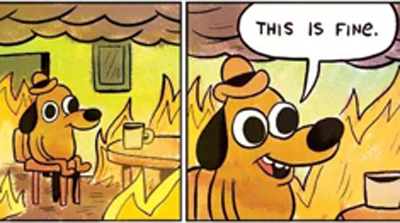
Memes can serve as a form of digital narrative medicine, allowing patients to relieve stress and share their mental health stories in a safe setting. Given that studies have shown increased rates of anxiety and depression in physicians compared ot the general population, this population stands to benefit from the same tongue-in-cheek approach to life’s stressors.11 Given the mounting evidence that supports how humor facilitates maintaining psychological well-being, improves emotional regulation during stressful life events, enables sharing as a means of social connection, and alleviates self-reported symptomatology, memes have earned their place among positive coping strategies.12 So after a challenging day at work, just remember–this is fine.13
References:
- Vaillant, G. E., Bond, M., & Vaillant, C. O. (1986). An empirically validated hierarchy of defense mechanisms. Archives of General Psychiatry, 43(8), 786–794. https://doi.org/10.1001/archpsyc.1986.01800080072010
- Benveniste, A. (2022, January 26). The meaning and history of memes. The New York Times. https://www.nytimes.com/2022/01/26/crosswords/what-is-a-meme.html
- Godwin, M. (1994, October 1). Meme, counter-meme. Wired. https://www.wired.com/1994/10/godwin-if-2/
- Myrick, J. G., Nabi, R. L., & Eng, N. J. (2022). Consuming memes during the COVID pandemic: Effects of memes and meme type on COVID-related stress and coping efficacy. Psychology of Popular Media, 11(3), 316–323. https://doi.org/10.1037/ppm0000371
- Ngo, P. (2023). Memes to cope and communicate [Master’s thesis, Dominican University of California]. Dominican Scholar. https://doi.org/10.33015/dominican.edu/2022.AT.08
- Akram, U., Drabble, J., Cau, G., Hershaw, F., Rajenthran, A., Lowe, M., Trommelen, C., & Ellis, J. G. (2020). Exploratory study on the role of emotion regulation in perceived valence, humour, and beneficial use of depressive internet memes in depression. Scientific Reports, 10, Article 899. https://doi.org/10.1038/s41598-020-57953-4
- Akram, U., Irvine, K., Allen, S. F., Stevenson, J. C., Ellis, J. G., & Drabble, J. (2021). Internet memes related to the COVID-19 pandemic as a potential coping mechanism for anxiety. Scientific Reports, 11, Article 22305. https://doi.org/10.1038/s41598-021-00857-8
- Zhang, F., Fu, J., Chen, K., & LC, R. (2026). Laughing through the struggles: Understanding ADHD experience and community engagement through memes and comments on Instagram. In Proceedings of the 2026 CHI Conference on Human Factors in Computing Systems (pp. 1–28). ACM. https://doi.org/10.1145/3772318.3790540
- Leigh, H. (2010). Genes, memes, culture, and mental illness: Toward an integrative model. Springer. https://doi.org/10.1007/978-1-4419-5671-2
- Occa, A., Chen, H. Y., & Teffeteller, K. L. (2025). Using online memes to communicate about health: A systematic review. American Journal of Health Promotion, 39(2), 299–329. https://doi.org/10.1177/08901171241272075
- Obeng Nkrumah, S., Adu, M. K., Agyapong, B., da Luz Dias, R., & Agyapong, V. I. O. (2025). Prevalence and correlates of depression, anxiety, and burnout among physicians and postgraduate medical trainees: a scoping review of recent literature. Frontiers in public health, 13, 1537108. https://doi.org/10.3389/fpubh.2025.1537108
- Akram, U., & Drabble, J. (2022). Mental health memes: Beneficial or aversive in relation to psychiatric symptoms? Humanities and Social Sciences Communications, 9, Article 370. https://doi.org/10.1057/s41599-022-01381-4
- Green, K. C. (2013, January 9). On fire (No. 648) [Comic]. Gunshow. https://gunshowcomic.com/648

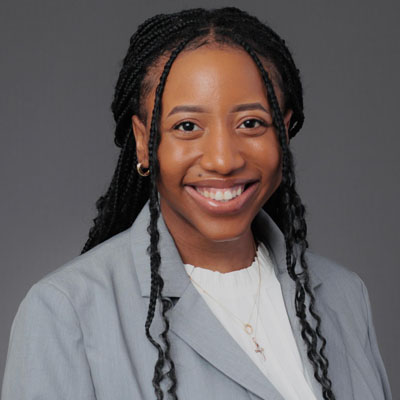
A Refresher on Clozapine: Navigating Monitoring Guidelines and Access in the Post-REMS Era
by Ola Egu, MD
Clozapine is sometimes regarded as the “Hail Mary” of antipsychotics and is often used as a last resort, but evidence shows that it is actually the gold standard for treatment-resistant Schizophrenia spectrum disorders (TRS) and should be used once TRS is established. TRS is generally defined as Schizophrenia symptoms that are not adequately controlled on sequential trials of at least two different antipsychotics administered at appropriate doses, for at least 6 weeks each. Unfortunately, research shows that TRS affects up to 1/3 of patients with Schizophrenia, which can pose a major clinical challenge with current treatment modalities that are available. As of now, clozapine is the only FDA-approved medication for TRS and its superior effectiveness has resulted in significant improvement in symptoms, fewer treatment discontinuations, reduced hospital readmission rates, and reduced all-cause mortality.
Mechanistically, clozapine is a derivative of tricyclic dibenzodiazepine and has interactions with multiple receptors, including dopaminergic (D1-5), serotonergic (5-HT1A, 5-HT2A, 5-HT2C), muscarinic (M1-3, 5), adrenergic (alpha 1 & 2), and histaminergic (H1) receptors. Its interaction with these receptors often leads to the desired effects of reduced positive symptoms (hallucinations, delusions, etc) and negative symptoms (flat affect, anhedonia, etc) along with improved cognition, as well as the not so desired effects of sedation, metabolic syndrome, sialorrhea, constipation, and other autonomic effects. Some more serious adverse effects to be cautious of include agranulocytosis, myocarditis, prolonged QTc, and seizures, hence clozapine and blood count (ANC) levels were previously heavily monitored.
Clozapine monitoring was primarily mandated through the FDA’s Risk Evaluation and Mitigation Strategy (REMS) program, in which results were submitted to their registry. Although this program allowed for the close monitoring of various effects of clozapine toxicity, its rigidity was believed to contribute to under-utilization of clozapine, with the worry of fewer patients receiving adequate treatment as a result of this logistical barrier. As a result of concerns surrounding this, in February 2025, mandated monitoring through the REMS was discontinued, believed to be done in an effort to increase access to clozapine and ultimately improve clinical outcomes. The prediction was that removing the barrier of REMS would help to increase comfort surrounding prescribing and overall access to clozapine, leading to higher utilization.
Since the discontinuation of the REMS program and arrival of the post-REMS era, the FDA still recommends following monitoring protocol based on the label, but there are also existing expert guidelines that recommend monitoring ANC levels based on the risk status of the patient as well as relative time to initiation. Rather than following strictly label-based monitoring protocol, some expert guidelines (e.g. Global Delphi Consensus guidelines) lean towards less restrictive monitoring and more clinically based decisions, with recommendations to more closely follow ANC levels in the first 18 weeks and eventually phase out to monthly checks for 2 years and discontinuing monitoring after that, though some reviews show guidelines still encourage annual checks with as needed monitoring in the setting of any signs and symptoms of illness.
Whilst the discontinuation of REMS has undoubtedly eliminated a logistical barrier with regards to prescribing clozapine, the result is that monitoring now falls upon the clinician to adopt recommendations from the FDA as well as various general expert guidelines (e.g. Global Delphi Consensus) and ultimately exercise clinical judgment in their clinical practice. The current need for exercising clinical judgment when it comes to adopting and practicing current guidelines may cause discomfort, especially depending on one’s level of understanding of clozapine and its complex side effect profile, which may ultimately still pose a threat to access. It is important to consider the impact of the post-REMS era on clinical practice and brainstorm ways to help improve clinician comfort surrounding the monitoring and management of clozapine, to truly improve access while maintaining safety for patients. Reviews surrounding the post-REMS era so far suggest that a potential way to increase clinician comfort with prescribing clozapine involves improving clinician understanding and exercising caution with management, including slower titrations, more education regarding patient-specific risk factors (e.g. genetic factors), as well as having an adequate understanding of both common and rare adverse effects that exist for the general population.
As we enter an era where clozapine monitoring is no longer FDA-mandated, it may be in best clinical practice to still monitor clozapine and ANC levels based on general expert and FDA guidelines as well as exercise clinical judgment, whilst engaging patients in shared-decision making to monitor for safety and optimize efficacy, especially around the time of initiation. Loosening the logistical barriers surrounding prescribing clozapine is a great first step towards improving clozapine accessibility and it is important to now assess and mitigate other potential barriers, such as clinician comfort, to continue to improve the access while maintaining efficacy and safety in clinical practice.
References:
- Correll, C. U., Agid, O., Crespo-Facorro, B., de Bartolomeis, A., Fagiolini, A., Seppälä, N., & Howes, O. D. (2022). A guideline and checklist for initiating and managing clozapine treatment in patients with treatment-resistant schizophrenia. CNS Drugs, 36(7), 659–679. https://doi.org/10.1007/s40263-022-00932-2
- Leung, J. G., & Cotes, R. O. (2025). A call to action for starting clozapine: Increasing clozapine use and safety in a post-REMS era. Focus, 23(4), 375–388. https://doi.org/10.1176/appi.focus.20250023
- Psychopharmacology Institute. (2025, October 1). New guidelines for clozapine ANC monitoring. https://psychopharmacologyinstitute.com/section/new-guidelines-for-clozapine-anc-monitoring/
- Skokou, M., Karavia, E. A., Drakou, Z., Konstantinopoulou, V., Kavakioti, C.-A., Gourzis, P., Kypreos, K. E., & Andreopoulou, O. (2022). Adverse drug reactions in relation to clozapine plasma levels: A systematic review. Pharmaceuticals, 15(7), Article 817. https://doi.org/10.3390/ph15070817
- S. Food and Drug Administration. (2025, February 25). Information on clozapine. https://www.fda.gov/drugs/risk-evaluation-and-mitigation-strategies-rems/information-clozapine
June Council Highlights
by Manal Khan, MD
June 11, 2026
Appointment Ratifications were completed.
CSAP GAC Reps who were ratified: Gillian Friedman, Laura Halpin, Emily Wood, Rod Shaner, and Pat Kelly. Drs. Haplin and Wood represent SCPS GAC chairs and Drs. Freidman, Shaner, and Kelly represent experienced GAC members. Alternate Reps will be Drs. Galya Rees and Matt Goldenberg.
Council Ratifications including Treasurer-Elect Position and Councillor Positions were also ratified.
These ratifications were done through unanimous vote.
Dr. Laura Halpin shared duties and responsibilities of Council members. Duty of care, duty of loyalty, conflict of interest disclosures, confidentiality requirements, and legal protections were amongst some topics that were discussed. Also Dr. Halpin went over some common situations pertaining to legal risk.
A request regarding website security was presented to the Council. The cost of updating website security will be $1000 – $1300. The Council unanimously decided to approve the budget for website security updates. Discussion regarding creating a taskforce versus committee for addressing website IT/tech was tabled.
Centralized billing, which means APA to bill for SCPS centrally, is deferred for this year. Finance committee will be formed to weigh the pros and cons of centralized billing with the long view of Mindi Thelen’s eventual retirement in mind.
Career fair planning to go into effect in summer. Career fair will take place in December. Committee will be set up for career fair planning. Council in agreement of doing 2 instead of 1 career fair, and also in favor of holding the fair in Inland Empire as one of the locations. Fontana Kaiser identified as a potential site. Dr. Dustin Wong volunteered to serve as a connection. Dr. Tim Pylko suggested the Las Encinas Hospital (in Pasadena) as a potential site too. However, it was pointed out the turnout in Pasadena has been historically low. Council suggested involving RFM reps and members and also Program Directors.
For President-Elect report, Dr. Gillian Friedman introduced the newsletter and highlighted that each Council member needs to sign up for a one write-up (which can be an opinion piece, a book review, etc.). The sign-up sheet was shared by Mindi Thelen. The sign-up is due by 6/20. The write-ups need to be submitted by the end of prior month. The write-up submissions are accompanied by an attestation form which highlights HIPAA compliance. The write-up submissions are reviewed by Newsletter Committee.
Treasurer Report was shared by Dr. Dan Fast. Broadly as per the report overall monthly expenses were overbudget by about $4,859 and overall yearly expenses are under budget by about $10,059. Additionally, Dr. Dan Fast discussed potential strategies to increase membership, including exploring group memberships with psychiatric organizations.
Assembly report was given by Dr. Ijeoma Ijeaku. The Assembly reps are Drs. Ijeoma Ijeaku, Matt Goldenberg, Zeb Little, and Pat Kelly. They will be attending GAC on a rotating schedule. APA’s elections and governance were discussed. The assembly officers at APA now include Drs. James Polo (Speaker Elect) and Anish Dube (Recorder). For Trustee of the Boards, Area 6 Representative is Dr. Larry Malak. The SCPS partnerships were also highlighted. SCPS is a District Branch of APA. SCPS belongs to APA’s Area 6 which represents California. Area 6 includes: Central California Psychiatric Society, Northern California Psychiatric Society, Orange County Psychiatric Society, San Diego Psychiatric Society, and Southern California Psychiatric Society. 13 Action Papers were approved as per the May Assembly Action Paper Report from APA. The Action Paper debate included debate on associate membership for non-psychiatrists.
Dr. Rod Shaner presented the governance structure of CSAP (California State Association for Psychiatrists) which includes both CSAP GAC and PAC (Political Action Committee). CSAP PAC can legally fund political campaigns aligned with the mission and interests of CSAP.
SCPS PAC Taskforce had no updates. Membership committee presented 3 general and 1 RFM member for ratification, which were unanimously approved for ratification. Disaster Relief and Private Practice Committees are planning a joint event to prepare private practice psychiatrists to prepare their businesses for disaster events. The event is being planned for 10/2026.
AI Committee is developing a Missions and Values statement which will guide SCPS positions regarding bills/legislation concerning AI. AI Committee will collaborate with GAC.
Access to Care Committee has Clozapine Taskforce which will be meeting to discuss next steps.
Regarding GAC, Dr. Rod Shaner provided a comprehensive update on legislative priorities, including three key bills (AB 1016, AB 1825, and AB 2011) moving through the California legislature. The Council passed a motion requesting CSAP to develop a concrete proposal for board member rotation representation. The GAC also discussed and reported on other bills including those pertaining to AI and Riverside County LPS conservatorship and involuntary medication orders. Other local issues included the successful passage of LA County Measure ER (Sales Tax Increase for Health Services Measure) which imposes a sales tax for general funds that will be used to backfill expected shortfalls caused by new federal MediCal rules. SCPS GAC will meet in August.
SCPS Council will meet in September.
The Southern California PSYCHIATRIST
ALL EDITORIAL MATERIALS TO BE CONSIDERED FOR PUBLICATION IN THE NEWSLETTER MUST BE RECEIVED BY SCPS NO LATER THAN THE 1ST OF THE MONTH.
NO AUGUST PUBLICATION. ALL PAID ADVERTISEMENTS AND PRESS RELEASES MUST BE RECEIVED NO LATER THAN THE 1ST OF THE MONTH.
SCPS website address: www.socalpsych.org
© Copyright 2026 by Southern California Psychiatric Society
Southern California PSYCHIATRIST is published monthly, except August by the:
Southern California Psychiatric Society
P.O. Box 10023
Palm Desert, CA 92255
(310) 815-3650
Permission to quote or report any part of this publication must be obtained in advance from the Editor.
Opinions expressed throughout this publication are those of the writers and, unless specifically identified as a Society policy, do not state the opinion or position of the Society or the Editorial Committee. The Editor should be informed at the time of the Submission of any article that has been submitted to or published in another publication.
Disclaimer
Advertisements in this newsletter do not represent endorsement by the Southern California Psychiatric Society (SCPS), and contain information submitted for advertising which has not been verified for accuracy by the SCPS.
SCPS Officers
President – Laura Halpin, M.D., Ph.D.
President-Elect – Gillian Friedman, M.D.
Treasurer – Daniel Fast, M.D.
Secretary – Manal Khan, M.D.
Councillors by Region (Terms Expiring)
Inland – Adrienne Carter, M.D. (2027); Kayla Fisher, M.D. (2027)
San Fernando Valley – Yelena Koldobskaya (2028); Kelsey Badger, M.D. (2029)
San Gabriel Valley/Los Angeles-East – Timothy Pylko, M.D. (2029); Roderick Shaner, M.D. (2027)
Santa Barbara – Nassi Navid, M.D. (2029)
South Bay – Steven Allen, M.D. (2027)
South L.A. County – Emily Wood, M.D., Ph.D. (2026)
Ventura – Danielle Shaw, M.D. (2029)
West Los Angeles – Haig Goenjian, M.D. (2027); Tanya Josic, D.O. (2027); Lloyd Lee, D.O. (2027); Alex Lin, M.D. (2029)
ECP Representative – Ruqayyah Malik, M.D. (2027)
ECP Deputy Representative – Dustin Wong, D.O. (2028)
RFM Representative – Ola Egu, M.D. (2027); Daniel Resnick, M.D. (2027)
MURR Representative – Miles Reyes, M.D. (2027)
MURR Deputy Representative – Vanessa Markgraf, M.D. (2028)
Past Presidents – Matthew Goldenberg, D.O.; Galya Rees, M.D.; Patrick Kelly, M.D.
Federal Legislative Representative – Laura Halpin, M.D., Ph.D.
State Legislative Representative – Emily Wood, M.D., Ph.D.
Public Affairs Representative – Christina Ford, M.D.
Assembly Representatives – Matthew Goldenberg, D.O. (2029); Ijeoma Ijeaku, M.D. (2027); Patrick Kelly, M.D. (2030); J. Zeb Little, M.D., Ph.D. (2030)
Executive Director – Mindi Thelen
Website Publishing – Tim Thelen
SCPS Newsletter Editor – Gillian Friedman, M.D.