
Southern California PSYCHIATRIST – Volume 74, Number 8 – April

In this Issue
President’s Column: The Advocacy Arc of Accountability by Patrick Kelly, MD
Welcome to the April 2026 SCPS Psychiatrist Advocacy Issue by Drs. Wood, Halpin, and Shaner
Navigating Federal Change: Implications for Psychiatric Advocacy by Roderick Shaner, MD
What SCPS Did While Others Were Defining Terms by Emily Wood, MD, PhD
CSAP in 2026: State Advocacy in a Changing Federal Landscape by Roderick Shaner, MD
Closing the Post-REMS Clozapine Access Gap: A Continued Call to Action by Galya Rees, MD
AI in Mental Healthcare: Why Psychiatric Leadership Matters Now by Chris Chamanadjian, MD
Mental Health Parity – Legislation, Regulation, Enforcement and Litigation by Robert Burchuk, MD
Unpacking PACs: Organizational vs. Individual Contributions by Roderick Shaner, MD
CALACAP Advocacy Day Review by Suren Najaryan, MD and Ayesha Noor, MS4
Engage with APA National Advocacy – The Stakes have Never Been Higher by Rachel Johnston
SCPS Social Media: Please Like and Engage! by Galya Rees, MD

President’s Column: The Advocacy Arc of Accountability
by Patrick Kelly, MD
Spring has arrived in Southern California, and with it, the unmistakable sense that seeds planted long ago are finally bearing fruit. This is the annual Advocacy Issue of the *Southern California Psychiatrist*, and this year advocacy feels more critical than ever, and fortunately seems to be having tangible, measurable impact—though also, in some ways, continues to be very much an uphill battle.
On March 25, in a Los Angeles courtroom, a jury delivered a verdict that may well define the next chapter of child mental health in this country. After a landmark trial, jurors found Meta and YouTube negligent for designing platforms that are deliberately addictive and harmful to young users. The jury awarded approximately six million dollars in compensatory and punitive damages to the plaintiff, a twenty-year-old woman who testified that her childhood use of Instagram and YouTube exacerbated depression and suicidal ideation. Meta was assigned seventy percent of the liability; YouTube, thirty percent. The day before, a separate jury in New Mexico ordered Meta to pay three hundred seventy-five million dollars for failing to protect minors from predators on its platforms.
The dollar amounts, though staggering to most individuals, are not even a rounding error for companies of this scale. Far more consequential than the financial penalty is the legal precedent of responsibility it establishes. These are not isolated events. They are the first verdicts in a bellwether trial encompassing some two thousand pending lawsuits brought by families and school districts across the country. Mark Zuckerberg, Adam Mosseri, and other executives were subjected to cross-examination in open court. And at the center of the plaintiff’s case was something our profession has been saying for years: social media, as currently designed, poses a measurable risk to the developing mind.
It would be easy to read this verdict as confirmation that all social media is harmful and should be banned. Many people—even some social media influencers themselves—advocate for reduced use or time away entirely. But what our field does best is go into the hard places of balance: holding both the positive and negative aspects of a thing together, carefully evaluating its utility while also recognizing its downsides. Social media is an excellent case in point—and, in fact, an inability to hold this balance is precisely what allowed it to go unchecked for so long.
Our own organization’s Social Media Committee, under the leadership of Dr. Rees, demonstrates the positive side of this balance well. SCPS uses its digital presence to educate the public, combat stigma, and bring evidence-based perspectives into conversations that might otherwise be dominated by misinformation. As Dr. Rees notes elsewhere in this issue, advocacy increasingly happens in the digital public square, and our engagement there matters.
More broadly, social media connects disparate, isolated individuals across space and time. It allows those living in repressive or totalitarian environments to express themselves in ways they otherwise could not. It provides accessible, digestible platforms for education, mutual support, and creative expression. For patients and families navigating mental illness, online communities can serve as a lifeline, particularly where mental illness carries high stigma or goes unrecognized. And even for vulnerable adolescents, a freedom to explore identity and belonging that may not be geographically available is a helpful, even necessary, balm to the wounds of uniformity and suppression.
What makes these verdicts meaningful, then, is their recognition that though a medium or an activity—card games, shopping, social networking—is neither inherently good nor bad, it can be deliberately engineered toward addictive ends, particularly for the unprepared or undeveloped mind. Casinos have age limits, as do credit cards, precisely because of this distinction. Until recently, social media did not. That this distinction was aggressively fought by the very companies engaged in such engineering makes the verdicts all the more significant.
For psychiatrists, the recognition of these subtleties is the hallmark of our field—distinguishing education from entertainment from addictive design. And it was the tireless advocacy and research of those in our field that made such recognition possible. Forensic psychiatric testimony was central to the proceedings. Years of research by child and adolescent psychiatrists documenting the association between heavy social media use and increased rates of depression, anxiety, self-harm, and suicidal behavior in young people provided the scientific scaffolding upon which the legal arguments were constructed. The Surgeon General’s 2023 Advisory on Social Media and Youth Mental Health, informed by precisely this body of psychiatric research, helped shift the national conversation from “Is social media harmful to children?” to “What are we going to do about it?” The answer, it turns out, includes accountability in a court of law.
This is what advocacy looks like when it works. It is not always dramatic. It is the slow accumulation of evidence, the persistent articulation of clinical reality to policymakers and the public, the willingness of individual psychiatrists to serve as expert witnesses, to author position statements, to testify before legislatures. It is, in other words, exactly the kind of work showcased throughout this issue.
Our guest co-editors, Drs. Emily Wood, Laura Halpin, and Roderick Shaner, have assembled what I believe is the strongest Advocacy Issue we have published. Their introductory note sets the tone precisely: effective advocacy requires “open-heartedness, open-mindedness, respect amid sharp debate.” This is a principle we would do well to carry with us in all our professional endeavors, but especially now.
The breadth of this issue reflects the breadth of the challenges we face. Dr. Shaner’s piece on navigating federal policy shifts offers a clear-eyed assessment of the current landscape—rollbacks of progressive frameworks, agency downsizing, the redefinition of national priorities. Dylan Elliott provides a legislative update from CSAP on the bills our organization is sponsoring in 2026, including measures addressing CARE Court, mental health parity, and scope of practice. Dr. Wood’s account of what SCPS has done while others were still defining terms is a quiet but powerful reminder that this organization does not wait for consensus to act. Dr. Halpin’s analysis of NP scope-of-practice legislation is essential reading for anyone concerned about the integrity of psychiatric care delivery. Dr. Chamanadjian’s article on AI in mental healthcare and Dr. Goldenberg’s examination of the proliferation of ketamine clinics address the frontier questions that will define our field in the years ahead. And the pieces on clozapine access, mental health parity, Medi-Cal prescriber enrollment, residency training in advocacy, PAC contributions, mental health diversion, and the CALACAP Advocacy Day review round out a collection that demonstrates, comprehensively, that SCPS members are engaged on every front.
The timing of this issue is no accident, as we approach the 2026 APA Annual Meeting in San Francisco, May 16 through 20. The meeting’s theme—”Empowering the Psychiatric Workforce: Taking Control of Our Practices One Step at a Time”—resonates powerfully with the advocacy work detailed in these pages. For Southern Californians, this meeting is practically in our backyard, and I would encourage every member who can attend to do so.
I am especially pleased to note that the William C. Menninger Memorial Lecture will feature a fireside chat with Dr. Vivek Murthy—the former United States Surgeon General whose 2023 advisory on social media and youth mental health was a watershed moment for our profession. That Dr. Murthy will address our national gathering just weeks after a Los Angeles jury validated the very concerns his advisory raised is a convergence that underscores the power of sustained, evidence-based advocacy. His presence at the podium is both a recognition of what psychiatric science has contributed to the national discourse and a call to continue the work.
Spring is a season of emergence—of things long buried breaking through the surface. The Meta verdict did not appear from nowhere. It emerged from decades of research, from the courage of patients willing to tell their stories, from the advocacy of professional organizations including our own, and from a growing consensus that the mental health of children is not a cost of doing business. As we read through the articles in this issue, I hope we can appreciate not just the individual contributions but the collective arc they represent. We are not merely responding to a crisis. We are shaping the response.
Our Installation and Awards Ceremony on May 3 will be an opportunity to celebrate the individuals who exemplify this spirit of engaged, principled service. I look forward to gathering with you there, and again in San Francisco later that month.
Thank you, as always, for your continued dedication and support.
Respectfully,
Patrick Kelly, MD
President, Southern California Psychiatric Society



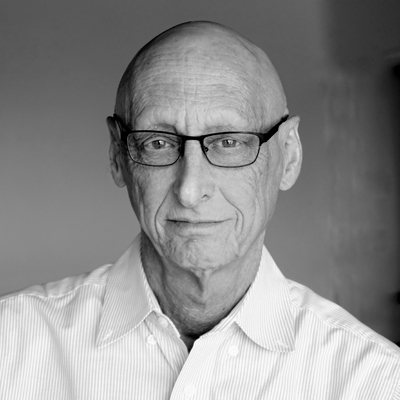
Welcome to the April 2026 SCPS Psychiatrist Advocacy Issue
by Emily Wood MD PhD, Laura Halpin MD PhD, and Roderick Shaner MD
We guest co-editors are delighted to share this year’s collection of perspectives on the legislative engagement of SCPS, CSAP, and APA in supporting psychiatric practice, our patients, and the wellbeing of our communities.
Advocacy — especially the sophisticated legislative work our organizations undertake — rests upon a shared conviction that we can shape the forces of society for the better. It requires open-heartedness, open-mindedness, respect amid sharp debate, and a sustained investment of time and resources. But the returns are profound: better care for our patients, more satisfying professional roles, stronger bonds with colleagues, and more responsive government. These dividends justify the significant portion of the SCPS budget devoted to advocacy efforts.
As current or former co-chairs of the SCPS Government Affairs Committee (GAC), we want to express our gratitude to the GAC members, who generously contribute their time and expertise. The GAC is at the crossroads of member input, legislative strategy, and recommendations to SCPS Council.
We also thank the authors—many of them GAC members—who contributed to this third edition of the April Advocacy Issue. Their articles are informative, thought-provoking, and often inspiring. As such, they encourage deeper engagement with the legislative and political issues shaping our practices and our professional lives.
We hope that you will find this issue stimulating. We look forward to continued conversations among SCPS membership about the priorities and direction of political action by our organization. That’s how effective advocacy is constantly renewed. Good reading.
Navigating Federal Change: Implications for Psychiatric Advocacy
by Roderick Shaner, MD
This third annual Advocacy Issue of SCPS Psychiatrist continues the work of previous editions. It highlights ongoing legislative advocacy at the state and federal levels, including efforts to expand access to high-quality psychiatric care, ensure insurance parity, and strengthen oversight of public behavioral health funds. You will also find updates on legislation sponsored or opposed by the California State Association of Psychiatrists (CSAP), along with opportunities for member involvement.
A new focus on national issues
But this year’s issue also arrives at a moment of profound change in the national advocacy landscape. We believe it is essential to acknowledge these shifts and to offer psychiatric perspectives on events that have significant implications for our professional roles. This is challenging territory, yet we are confident in the ability of SCPS and our national organizations to debate, refine, and advance policies that support our mission and the wellbeing of our communities.
Federal policy shifts that affect psychiatry
Since our last advocacy issue, the new federal administration has instituted sweeping changes to national policies and laws. These national changes matter for psychiatry because they alter the conditions under which we practice, teach, and advocate. Every one of these federal shifts affects our ability to deliver care, train the next generation, sustain our workforce, and advocate for the wellbeing of our patients. When national policy changes reshape the structures that support behavioral health, psychiatrists feel those effects immediately and directly.
These shifts fall roughly into four areas.
1. Shifts away from prior “progressive” frameworks
The administration has rolled back principles that emphasized protections or resources for groups defined by culture, sexual orientation, disability, or historical disadvantage. These changes affect the availability of treatment for individuals with mental illness or substance use disorders, reduce attention to certain adverse psychological environments, and limit the ability of educational institutions to proactively diversify the healthcare workforce. They also create challenges for membership organizations, such as APA, in advocating for selected policies without risking adverse government responses.
2. Downsizing and reorganizing federal agencies
A second major shift involves the restructuring of national administrative agencies responsible for independent technical expertise — what some have termed the “Deep State.” For psychiatry, the most consequential changes involve the U.S. Department of Health and Human Services, which funds behavioral healthcare, enforces quality standards, and supports research and training. Alterations to these functions have impacts onbehavioral health funding and treatment that are difficult to overstate.
3. Reimagining national purpose and identity
The current administration has also advanced a broad redefinition of the nation’s responsibilities and cultural identity. Changes in immigration enforcement are the most visible example but shifts in civic education and public media policy also influence the psychological wellbeing of communities. Further, the potential for larger investments in military resources can lessen resources for physical and behavioral health programs.
4. Expansive federal support for artificial intelligence
Finally, the federal government has countenanced the investment of unprecedented resources in AI infrastructure. AI is reshaping social media, environmental policy, and industrial practices, and its capabilities now touch nearly every aspect of medical and psychiatric practice — including the potential substitution of artificial intelligence for professional expertise.
Covering federal issues in the April Advocacy Issue:
Several articles in this issue explore organized psychiatric responses to these developments. We recognize that thoughtful members may disagree about the best approaches, which places an even higher premium on our ability to debate issues constructively and maintain our fellowship. Avoiding these issues would risk both ineffectiveness and irrelevance.
We encourage members to stay informed about these unfolding national developments, participate in GAC discussions, and lend their voices to the policy debates that shape our field. That ongoing engagement is how effective advocacy is renewed — especially in remarkable times.

Progress and Priorities: An Update from the California State Association of Psychiatrists
by Dylan Elliott
The Big Picture
Although this is a very consequential year in California rife with budgetary concerns due to the vast health care cuts from the federal government, CSAP continues working to shape California’s mental health policy landscape on behalf of our members. With approximately 1,800 bills introduced in this second year of the 2025–2026 legislative session, our team is tracking, supporting, and sponsoring legislation that directly impacts the communities we serve and the patients who depend on us.
Key 2025 Legislative Successes
Last year was a strong one for CSAP in Sacramento, even despite the looming physical challenges faced by the state. SB 27 (Umberg) strengthened the CARE Act by expanding eligibility to individuals with bipolar I with psychotic features, refining the definition of clinical stabilization, and giving courts greater flexibility in overseeing CARE plans. SB 820 (Stern) established a functional process for the involuntary medication of misdemeanor defendants found incompetent to stand trial, aligning that process with the one that already exists for felony defendants — a long-overdue fix that CSAP continues to monitor for proper court implementation.
Building on the momentum, CSAP is sponsoring or co-sponsoring four key bills in 2026
SB 1016 (Blakespear) closes a critical gap in CARE Court by allowing a judge to order a mental health evaluation when the severity of a person’s illness exceeds what CARE Court can provide — ensuring the program serves as a genuine bridge to treatment for those who need it most, rather than a revolving door that turns them away. Just introduced, this bill is pending referral to policy committees.
SB 331 (Menjivar) strengthens CARE Act implementation by expanding family involvement in proceedings, requiring the state to provide counties with additional training and technical assistance, and establishing a definition of mental health disorder in state statute. The bill awaits hearing in the Assembly Health Committee.
AB 1825 (Krell) delivers front-end and back-end reform to the Offenders with Mental Health Disorders program, tightening eligibility criteria, better defining exit plans, and expanding Medi-Cal eligibility to help formerly incarcerated individuals transition safely back into the community with the treatment they need while better ensuring the safety of communities. The bill passed the Assembly Public Safety Committee on March 17.
AB 2011 (Hart), co-sponsored with the California Department of Insurance, the Kennedy Forum, the Steinberg Institute, and CALACAP, codifies the 2024 federal Mental Health Parity and Addiction Equity Act Final Rule into California state law — protecting Californians’ mental health and substance use disorder parity rights regardless of what unfolds at the federal level. The bill passed the Assembly Health Committee on March 24.
Beyond sponsored legislation
CSAP is actively defending the scope of psychiatric practice. Working alongside the California Medical Association, CSAP successfully dissuaded an Assemblymember from introducing a bill that would have expanded the facility types in which nurse practitioners could accumulate practice hours — a change that would have further eroded the boundaries of physician-led care. While that threat has been turned back, the issue is unlikely to go away, and CSAP remains vigilant in monitoring any efforts to expand NP scope that could compromise patient safety and the integrity of psychiatric care in California.
CSAP is also supporting additional measures this session — from protecting the “press 3” option on the 988 Lifeline (AB 1540), to court-authorized involuntary medication orders for individuals on AOT (AB 1676), to prohibiting automatic downcoding by insurance companies (AB 2431).
Stay Engaged
The 2026 session is moving quickly, with committee hearings ramping up through April. CSAP is in the Capitol fighting — and we encourage every member to stay engaged, know your legislators, and add your voice to this critical work.
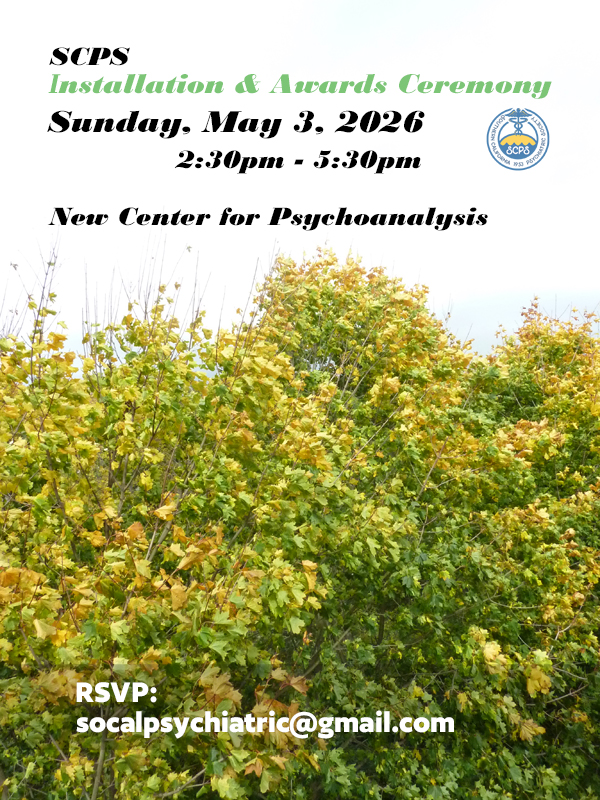
SCPS Installation & Awards Ceremony
Sunday, May 3rd, 2026
2:30 PM – 5:30 PM
taking place indoors at:
The New Center for Psychoanalysis
2014 Sawtelle Blvd.
Los Angeles, CA 90025
Awardees will include:
Distinguished Service Award – Galya Rees, MD
Outstanding Resident Award – Austin Nguy, MD
Outstanding Achievement Award – Scott Weigold, MD
Appreciation Award – Laura Halpin, MD, PhD
Special Award – Richard Tadeo – Director, LAC EMS Agency
The Steve Soldinger Achievement Award – Steve Soldinger, MD (Posthumously)
PER Awardees:
Matthew Allen
Erin Hegarty
Janet Jianghua Lee-Coomes
Christopher Martin
Miles Reyes
Rony Saleeb
Michelle Sun
Light refreshments will be served.
SCPS Members: Please contact us to RSVP
What SCPS Did While Others Were Defining Terms
by Emily Wood, MD, PhD
The APA’s most recent membership survey delivered a clear message: members identified the association’s top aspirations as relevance and inclusion, bold leadership, and effective advocacy, with the highest priority being increasing patient access to quality care. The findings weren’t subtle. APA leadership, the survey suggested, should boldly stand up for shared values and advocate for inclusive, evidence-based care — for patients and for the psychiatrists who provide it.
The members spoke. Then, at last fall’s Assembly meeting, APA leadership outlined their stance on “Advocacy Not Activism.” Our Assembly Representative Matt Goldenberg wrote about the thud it made in the room in his December piece in these pages — the debates it sparked, and the unanswered question it left behind.
SCPS didn’t wait for an answer.
Calling for Kennedy’s Removal
In September 2025, SCPS published a statement calling on California’s congressional delegation and the Senate Mental Health Caucus, led by Senator Alex Padilla, to seek the removal of Robert F. Kennedy, Jr. as Secretary of Health and Human Services. The statement named what our members already knew: Secretary Kennedy had spread dangerous falsehoods about psychiatric treatment and preventive care, promoted ideology over evidence, and used the deeply flawed Make America Healthy Again report as a vehicle for restricting access to services that reduce suffering, restore function, and prevent suicide. We had lost confidence in his leadership and said so, joining the American College of Physicians and other medical organizations in calling for his removal.
The statement received national attention, including coverage on NPR that was viewed over 12 million times and received more than 40,000 likes across social media platforms. For a district branch of roughly 1,000 psychiatrists, that reach reflects something real — both about our organization and about how many of our colleagues across the country had been waiting for someone to say it plainly.
Standing Up for Patients Facing Immigration Enforcement
In February 2026, SCPS published a second statement addressing the psychiatric consequences of DHS immigration enforcement actions. The statement was direct: ICE and CBP activity in, or near healthcare settings undermines patient safety, erodes trust in the clinical relationship, and interferes with ethical psychiatric practice. It documented what SCPS members are witnessing in their practices — patients delaying care, disengaging from treatment, and withholding clinically critical information out of fear of detention or deportation. It condemned the use of excessive and militarized force in civilian communities and called on policymakers and health system leaders to protect both healthcare settings and patient data.
Scaling Up Through CSAP
Both statements were brought to the California State Association of Psychiatrists, which adopted versions of each — with minor modifications — as statewide positions. A district branch statement carries weight; a statewide position carries more. CSAP’s readiness to move quickly on both reflects a shared understanding, across California, that this is a moment for action.
Building a National Coalition
We are not the only district branch asking how to do more. SCPS, the New York County Psychiatric Society, and the San Diego Psychiatric Society are co-hosting the inaugural District Branch Advocacy Collaboration Meeting at the end of April — the first of what we hope will be an ongoing forum for direct collaboration across branches. The convening is designed to bring together advocacy leads from district branches nationwide to identify common priorities, explore multi-branch coalitions, and begin developing a shared platform for sustained advocacy. The challenges facing our field are significant and, in many cases, urgent. They will be addressed more effectively with a collective voice.
A Note on What We Call It
The “advocacy not activism” distinction, as it has been deployed, functions less as a principled boundary than as a permission structure for inaction. History is not gentle on such inaction. The psychiatrists who removed homosexuality from the DSM — whom the APA now rightly celebrates — were activists. They were willing to disrupt, to be loud, and to accept the political cost of being right before it was comfortable.
APA’s own members have said what they want: bold leadership, effective advocacy, and prioritizing patient access. SCPS members can call our work whatever they choose. What matters is that we did it — and that we are building the infrastructure to do more.
CSAP in 2026: State Advocacy in a Changing Federal Landscape
by Roderick Shaner, MD
CSAP State Legislative Activity in 2026
As CSAP enters its next half-decade, the five California District Branches have hit their stride, working together with state legislators and agencies to construct a better behavioral-health system for California. As you read this, CSAP-sponsored and supported legislative bills are wending their way through the legislative process. Some address the critical issues of ensuring mental-health access and insurance parity for psychiatric services. Others focus on modifying CARE Court and LPS procedures to ensure that individuals with serious mental illness receive the care they need. Additional initiatives seek to ensure that behavioral-health organizations report meaningful access and quality measures so that public funds support evidence-based treatment. And, as always, CSAP weighs in on bills to ensure that mental-health services, including psychiatric services, are provided only by those qualified by training to do so.
But Something Is Missing from CSAP’s Mission
Another force is deeply affecting behavioral healthcare in California: the current era of assertive federal engagement in reshaping the very foundations of the U.S. Department of Health and Human Services. Without getting too deep into a bowl of alphabet soup, HHS entities such as CMS, SAMHSA, NIMH, NIDA, the FDA, and AHRQ all have a profound impact on the structure and financing of psychiatric practice and research in California. Beyond HHS, other federal departments — most notably Homeland Security — as well as the U.S. Congress, are taking sweeping actions that shape prevention, treatment, and, at times, the exacerbation of mental illness and the quality of life for those who must bear its challenges.
SCPS and the other California District Branches naturally look to APA, our national organization, as the prime federal-level advocate for our profession and our patients. The SCPS voice within APA is expressed primarily through the APA Assembly and its Area 6 Council. The Assembly’s chief process is to craft, debate, and vote on action papers concerning a vast scope of issues affecting psychiatry. But the APA Board is not bound by Assembly votes. Further, many action papers address important matters that do not directly pertain to legislative advocacy. Individual District Branches have access to APA’s government-affairs staff and councils but have little direct control over APA’s federal advocacy priorities. As a result, SCPS and other DBs are struggling to find a way to pursue federal policy advocacy with the same coordination and effectiveness that we have achieved at the state level.
The Conundrum
CSAP is a superb organization for state legislative advocacy. But coordinated federal advocacy is increasingly essential to our state work. The boundaries between state and federal issues are extremely porous. APA and the APA Assembly focus on national advocacy, but APA’s scope is far broader than issues specific to California, and California DBs’ governmental-advocacy connections with APA are more tenuous than their connections with CSAP.
Using CSAP Expertise to Help Address Federal Issues
How can we use the strong base provided by CSAP to better address the federal advocacy issues affecting our profession and our patients in California?
First, we can consider the allowable scope of CSAP activities. While CSAP is specifically tasked with state-level advocacy by APA, APA governance explicitly leaves the structure of the organization to the component District Branches. There is no proscription against federal activity, and APA has recently stated that District Branches are free to take principled positions on issues APA has not addressed.
Second, SCPS and other California Assembly Representatives can ensure that the Area 6 Council and the APA Assembly receive and support well-crafted action papers that directly address federal legislative advocacy. CSAP’s analytic and policy expertise can be better integrated into Area 6 Council activities to generate such papers. The SCPS APA Representational Taskforce has already begun exploring mechanisms for this.
A Path Forward
California psychiatrists have never been shy about engaging with governmental issues. Federal policy now shapes nearly every aspect of psychiatric practice in California — from Medi-Cal financing to crisis-care standards, from research priorities to the availability of treatments themselves. If we want our state-level gains to endure, we cannot afford to neglect federal advocacy. CSAP has already shown what coordinated and disciplined advocacy can achieve in Sacramento. Carefully aligning CSAP’s capabilities with the federal issues that shape our work can help ensure that California psychiatrists have a coherent, coordinated voice at every level where policy is made — and that our patients benefit from the full force of that advocacy.

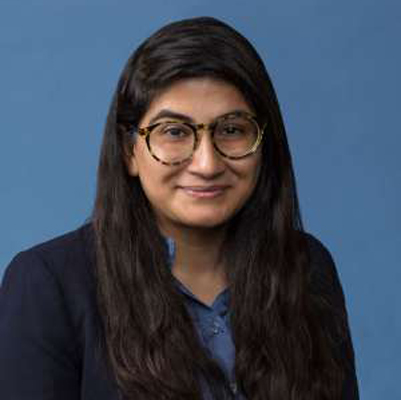
Partnering with Residency Training Programs to Equip New Psychiatrists for Advocacy in Turbulent Times
by Roderick Shaner, MD; Emily Wood, MD, PhD; Manal Khan MD; Chris Chamanadjian MD
Beyond Traditional Curriculums
Politics increasingly determine access to evidence-based care for our patients. This makes legislative advocacy an essential — indeed clinical — skill for psychiatrists. It is a specialized form of activism that allows psychiatrists to shape the policies that determine whether our patients receive the care they need. And like any clinical skill, advocacy is best taught early, when idealism is high and professional identity is still forming.
Residency programs face challenges in providing structured advocacy training. The expertise required — understanding legislative processes, interpreting bills, communicating with policymakers, and navigating the political landscape of mental health — is not always readily available within academic departments. Faculty are stretched thin. Curricula are necessarily shaped by existing accreditation standards. There are limited resources for preparing trainees to engage with the systems that govern their practice. Despite the challenges faced by residency and fellowship training programs, advocacy for quality patient care and optimal patient care systems, and promotion of mental health and the prevention of mental disorders are program requirements as determined by the Accreditation Council for Graduate Medical Education.
This is where SCPS can play a valuable role. As an organization with a long-standing commitment to legislative advocacy, SCPS is uniquely positioned to partner with residency programs to augment available resources for this purpose.
Over the last several years, members of the SCPS Government Affairs Committee — in collaboration with colleagues across the state — have had the opportunity to present principles and practices of legislative advocacy within several residency programs in the SCPS region. These efforts have been strengthened by additional resources from the California State Association of Psychiatrists (CSAP), which provides legislative expertise, bill-tracking infrastructure, and policy analysis that enrich trainee learning.
The benefits of such partnerships are substantial. For trainees, structured advocacy experiences foster agency, reduce burnout in the face of systemic barriers, and reinforce the connection between clinical work and societal change. From a resident and fellow perspective, advocacy training is most impactful when it is not experienced as an added burden, but as an integrated extension of clinical work. Trainees routinely encounter systemic barriers that shape patient care and outcomes. When advocacy training links these lived experiences to actionable policy pathways, it transforms passive frustration into a sense of agency.
For programs, they enrich professional development, strengthen community engagement, and help cultivate psychiatrists who are not only competent clinicians but also effective architects of behavioral health systems. Crucially, these partnerships are reciprocal, as the fresh perspectives and innovative spirit of trainees often challenge and reinvigorate those of us who have become deeply enmeshed in these complex systems over many years. For SCPS, these collaborations introduce residents to the APA components, build future leadership, and ensure that the next generation of psychiatrists enters the field with both the skills and the confidence to advocate for their patients.
Such partnerships are also immensely practical. Psychiatrists with legislative advocacy experience at SCPS can develop curricula that can be shared with various residency and fellowship programs across the region. In doing so, district branches such as SCPS relieve individual programs of identifying faculty with interest and expertise in legislative advocacy. Additional benefits include promoting equity across training environments. By providing standardized content to programs regardless of resource variability, these efforts help ensure more uniform access to advocacy education among institutions with differing levels of institutional support.
Further SCPS Advocacy Training Work with Residency Programs
These initial advocacy training components suggest the potential of projects involving our Academic Liaison Committee, Government Affairs Committee, and Resident–Fellow Members of SCPS Council (RFMs) to help shape partnerships between SCPS and the 17 psychiatric residency programs in our region. We can work directly with program leadership to tailor advocacy experiences that align with each program’s mission, culture, and trainee needs.
Key Elements of the Residency Advocacy Trainings
The key elements of the residency advocacy trainings presented so far, via in-person and hybrid Zoom experiences, include:
- Foundational didactics introducing legislative structure, bill analysis, and communication strategies
- Project-based opportunities that allow trainees to engage in proposing and shaping real bills affecting their patient populations
- Experiential learning through participation in policy discussions with lobbyists and policymakers
Additional components could include structured mentorship from SCPS members with expertise in advocacy and feedback loops that reinforce learning and build confidence in advocacy work. Trainees across the 17 programs in the Southern California region may also cultivate peer networks and engage in collective advocacy efforts, fostering professional communities that have the potential to influence and shape the future delivery of mental health services within the region.
These elements are not theoretical. Programs at the University of Washington, Yale, and others have already demonstrated that structured advocacy curricula are feasible, effective, and deeply valued by trainees. Their experiences show that when advocacy is framed as a clinical competency — not an extracurricular activity — trainees embrace it, and patient care ultimately benefits.
Turbulent times demand psychiatrists who can navigate not only the complexities of diagnosis and treatment but also the policy landscapes that shape access, equity, and outcomes. By partnering with residency programs now, SCPS can help ensure that the next generation of psychiatrists enters the field prepared not only to treat illness but to transform healthcare systems to ensure that they support this goal.
Focus on Scope: A Proposal to Expand NP Independent Practice in Behavioral Health?
by Laura Halpin, MD, PhD
This year, CSAP and SCPS have kept a close eye on legislation aimed at increasing nurse practitioner independent practice. Here I review the history of the pathway to independent Nurse Practitioner practice in California and two recent legislative efforts to expand access to those pathways.
The Pathway from 2020 to the Present
California passed AB 890 in 2020, creating a pathway for nurse practitioners to practice independently. SB 1451, passed in 2024, further defined procedures within this framework. Together, these laws established two categories: 103 NPs and 104 NPs.
A 103 NP practices within a group setting that includes at least one physician but does so without standardized procedures. Standardized procedures are the legal mechanism or definitions that allow registered nurses and nurse practitioners to perform functions that would otherwise be considered the practice of medicine in California. To qualify as a 103 NP, an individual must hold national certification from a certifying body accredited by the National Commission for Certifying Agencies or the American Board of Nursing Specialties. They must also complete a transition to practice within their certification category (i.e. Psychiatric-Mental Health, Family, Neonatal, Pediatric, Adult-Gerontology, or Women’s Health) in California, consisting of at least three full-time equivalent years or 4600 hours within five years prior to application.
A 104 NP may practice independently outside of a group setting and without standardized procedures. To become a 104 NP, a 103 NP must practice in good standing for at least three full-time equivalent years or 4600 hours in direct patient care. Regulations implementing these laws took effect in 2023, and January 1, 2026 marked the first date that NPs became eligible to apply for the 104 NP, or full independent practice pathway.
A new set of proposals in 2026
Legislation: Earlier this year, CSAP became aware of a set of proposals to further expand NP scope of practice into behavioral health. These proposals included reducing the clinical hour requirements needed before independent practice, especially for those practicing as psychiatric NPs. CSAP worked with partners, including the California Medical Association, to oppose this effort. No related legislative language has been introduced this session, which represents a significant success of our advocacy efforts.
Board of Nursing: The latest effort to expand independent practice is occurring through the sunset review process of the Board of Registered Nursing. All California licensing boards undergo this type of review approximately every four years. The process includes a report from the board, a public oversight hearing, and a legislative response. The Legislature may reauthorize the board without changes, amend existing laws, or create new statutory and regulatory requirements. Sunset review is a common venue for scope of practice debates, and this cycle is no exception. Current discussions include discussion about transition to practice requirements for out-of-state NPs, specialty delegation and national certification, physician to NP ratios within practices, and data collection.
CSAP’s position and response
Each of these issues reflects the ongoing policy tension between improving access to care and addressing workforce shortages, while also maintaining strong safeguards for patient safety. CSAP is continuing to follow these debates and stands poised to provide input about the importance of strong regulations to protect patient safety. More to follow as this unfolds.

Closing the Post-REMS Clozapine Access Gap: A Continued Call to Action
by Galya Rees, MD
Clozapine remains the most effective medication for treatment‑resistant schizophrenia and the only antipsychotic with clear evidence for reducing suicide risk in this population.
In 2025, the FDA removed the national Clozapine Risk Evaluation and Mitigation Strategy (REMS) program requirements that had governed prescribing and dispensing for many years. This was a win for organized psychiatry! The removal of REMS was intended to reduce administrative burden and improve access to this life‑saving medication. Unfortunately, it’s not working out that way.
Stubborn Barriers
More than a year after REMS removal, access to clozapine appears largely unchanged. At the recent SCPS–NAMI meeting, NAMI representatives reported that patients and families continue to face major barriers, including difficulty finding outpatient psychiatrists who prescribe clozapine. In addition, many institutional protocols and pharmacy practices continue to follow the previous REMS framework, including routine monthly laboratory requirements, meaning that many of the administrative barriers to clozapine use persist despite the program’s removal.
What we can do to make clozapine available now
As psychiatrists, we have an opportunity and a responsibility to help address this gap. Laboratory monitoring for neutropenia remains an important safety measure. At the same time, monitoring schedules should be applied thoughtfully and flexibly, taking into account the patient’s duration of treatment, clinical stability, and overall risk–benefit considerations. Some clinical protocols now recommend early monitoring of inflammatory and cardiac markers during the first weeks of clozapine treatment to help detect rare cases of clozapine-associated myocarditis. And, while safety is always our highest priority, weight gain, hypersalivation, tachycardia, and constipation remain the most common side effects of clozapine which warrant regular monitoring and careful management to promote adherence and long-term health.
Promote clear, widely accepted clinical guidelines. Broader professional consensus, ideally through formal guidelines from organizations such as APA, would help align clinicians, pharmacies, and health systems in the post-REMS era and provide a framework for evidence-based monitoring practices.
Strengthen clinician familiarity and comfort with prescribing this medication. This includes educating ourselves on the most current evidence incorporating it into residency and fellowship training programs, and ensuring that psychiatrists feel prepared to initiate and manage clozapine treatment when clinically indicated.
Sunset outdated practices. Finally, improving access will require system-level changes. Many institutional protocols and pharmacy workflows continue to reflect the previous REMS structure. Working collaboratively with health systems and pharmacies to update these practices will be an important step toward ensuring that patients who may benefit from clozapine are able to receive it.
Toward these aims, SCPS is working to evaluate emerging evidence and consider additional pathways for developing and disseminating updated clozapine guidelines, including collaboration with national organizations, pharmacies, and other stakeholders. This month, our SCPS Council will be hearing a motion from our Access to Care committee focused on encouraging the development of updated clinical guidelines and forming our own internal task force to evaluate emerging evidence and consider additional pathways for developing and disseminating updated clozapine guidelines.
The Rise of Ketamine Clinics: What Psychiatrists and Patients Need to Know
by Matthew Goldenberg, D.O., Private Practice Committee Chair
In recent years, ketamine infusion clinics have proliferated across Los Angeles and other major metropolitan areas at a striking pace. Strip malls, wellness centers, and medical spas now advertise “transformative” mental health treatments alongside facials and IV vitamin drips. For psychiatrists and their patients alike, this trend warrants a clear-eyed conversation.
What Ketamine Is and Is Not Approved For
Ketamine has a legitimate and important place in medicine. The FDA has approved esketamine (Spravato), a nasal spray formulation, for treatment-resistant depression and major depressive disorder with acute suicidal ideation or behavior. This approval was based on rigorous clinical trial data and requires administration in a certified healthcare setting with post-dose monitoring. IV ketamine infusions, by contrast, are used off-label, meaning their administration for psychiatric conditions lacks FDA-specific approval for that indication.
What Clinics Are Marketing
Despite this regulatory distinction, ketamine clinics frequently market their services for a wide range of conditions including depression, anxiety, PTSD, OCD, chronic pain, and even addiction. Glossy websites and social media campaigns promise rapid relief, sometimes after just one or two sessions, framing ketamine as a breakthrough solution for patients who feel they have “tried everything.” This messaging, while not necessarily inaccurate, often omits important context about patient selection, treatment duration, and the lack of long-term outcome data for many of these indications.
The Risks Deserve Equal Airtime
Ketamine is a dissociative anesthetic with recognized abuse potential. The tragic death of actor Matthew Perry in October 2023 brought this reality into public view. Perry, who had been receiving ketamine infusion therapy, died from the “acute effects of ketamine,” according to the medical examiner. His case serves as a sobering reminder that even clinically administered ketamine carries serious risks, including cardiovascular effects, psychological dependence, dissociative symptoms, and, as Perry’s death underscored, the potential for fatal outcomes in vulnerable individuals.
The Regulatory Landscape: California Is Playing Catch-Up
The Drug Enforcement Administration (DEA) classifies ketamine as a Schedule III controlled substance, and the California Corporate Practice of Medicine doctrine nominally limits who can own and operate ketamine clinics. In practice, however, clinic-specific oversight remains limited. Assembly Bill 837 (2025), introduced by Assemblymember Davies last year, sought to tighten criminal statutes around ketamine distribution by adding ketamine to the list of substances for which sale, transport, and unlicensed administration are prosecutable offenses. The bill, however, did not advance. To date, there has been no successful California legislation specifically targeting the clinical operation or oversight of ketamine clinics. We are lagging behind jurisdictions like Florida, which has enacted facility licensing requirements and clinical staffing standards for ketamine providers. For psychiatrists practicing in California, this regulatory gap makes patient education all the more critical as patients cannot rely on the state to ensure the clinics they visit meet a defined standard of care.
The Psychiatrist’s Role: Education Over Enthusiasm
Private practice psychiatrists are increasingly finding themselves in the position of having to thoughtfully redirect patients who arrive armed with social media research and a strong desire for a faster, newer solution. This is not easy. Patients suffering from treatment-resistant conditions deserve empathy, and their openness to novel approaches reflects genuine distress, not poor judgment. However, our obligation is to ensure they understand both the potential benefits and the real risks before pursuing treatments at clinics that may lack the psychiatric infrastructure to properly screen, monitor, and follow up with them.
A Call for Evidence Over Trend
As a field, psychiatry must continue to develop new treatments while staying grounded in the current evidence-base. Ketamine research is genuinely promising, but promising is not the same as proven, particularly across the broad diagnostic categories being marketed to consumers and patients today. Evidence-based medication management, psychotherapy, and integrated care models remain the foundation of psychiatric treatment. More rigorous, long-term research on ketamine’s efficacy and safety across diverse populations is urgently needed. Until that evidence matures, we owe our patients honest guidance, not reflexive skepticism or uncritical enthusiasm.
The best treatment is not always the newest one. Often, it is the one(s) that research and our training and experience prove work best.
AI in Mental Healthcare: Why Psychiatric Leadership Matters Now
by Chris Chamanadjian, MD
Augmented or artificial intelligence (AI) is increasingly shaping the mental healthcare landscape. From digital companions to therapy chatbots, patients are engaging evermore with AI. A recent study found that approximately one in eight adolescents and young adults in the U.S. use AI chatbots for mental health advice.1 Although these innovative technologies are significantly powerful in efficiency, they also carry risk in data privacy, security, and bias. As AI continues to integrate into mental healthcare, psychiatrists should not only understand these technologies but also advocate for the responsible development and use of AI to prioritize patient safety, ethics, and equitable care.
Global and national health leadership have begun to formally recognize risks. Recently, the World Health Organization (WHO) held its first Collaborating Centre on AI for health governance, emphasizing that generative AI should be treated as a public mental health concern. The American Psychiatric Association (APA) underscores the importance of process transparency, patient-informed use, accountability for harm, evidence-based standards, mitigating bias, and including mental health experts and individuals with lived mental health experience. Similarly, the National Alliance on Mental Illness (NAMI) calls for stronger safeguards and actively works to create independent benchmarks for the community. These declarations reflect a growing recognition that generative AI introduces risks and requires responsible oversight in mental healthcare.
Several areas call for focus from a clinical perspective:
– Trust and Informed Use: Patients must be able to distinguish between AI-generated content and professional medical advice. In conjunction with informed decision efforts, California’s Assembly Bill 489 (AB 489) was signed in late 2025, which prohibits AI systems from posing as healthcare professionals. This has direct implications for patient trust and the boundary between digital tools and clinical care.
– Accountability: Generative AI may simulate aspects of therapeutic interaction without the structure or regulatory oversight of clinical care. If this unpredictable therapeutic interaction results in harm, who is held accountable?
– Safety and Reliability: Large Language Models (LLMs) are trained on datasets to generate probabilistic outcomes rather than conventionally understood “intelligence.” They use large amounts of data as inputs to predict likely outcomes. Thus, output inaccuracies are fairly common and referred to as “hallucinations”. Such variability in accuracy of AI-generated responses within the clinical setting can significantly affect a patient’s understanding and potential clinical outcomes.
– Algorithmic Bias and Equity: Research has shown that widely used healthcare algorithms can systematically underestimate the needs of certain populations due to biased proxy variables.2 Throughout history, mental health study participants were White race and high socioeconomic status. AI systems using such historically biased datasets as inputs may perpetuate existing social inequities and further exacerbate disparities within mental healthcare.
Advocacy may take several forms. At the individual clinical level, psychiatrists can engage in discussions about their patients’ use of digital tools and provide guidance on appropriate use and limitations. At the institutional level, clinicians can contribute to decision-making processes regarding the adoption of AI-based tools. At the policy level, engagement with professional organizations and legislative efforts can help ensure that emerging regulations reflect the realities of clinical practice. Specifically, the Southern California Psychiatric Society (SCPS) provides the platform for psychiatrists to engage in critical discussions and impact regional advocacy efforts. The AI Task Force, a SCPS subcommittee chaired by Dr. Timothy Pylko, analyzes the continuously evolving AI landscape’s impact on mental healthcare, and develops advocacy strategies.
Advocacy does not mean resist innovation, but instead help shape it. Legislative efforts in California are beginning to address these risks, but the policy remains fragmented. Psychiatrists possess a distinct combination of clinical expertise, ethical responsibility, and systems-level awareness. We understand nuance. We navigate uncertainty. We hold responsibility for both safety and trust. This uniquely positions psychiatrists as pivotal contributors in influencing how AI is incorporated into mental healthcare. The question is no longer whether AI will shape mental healthcare, but whether psychiatrists will help define how.
References
- McBain RK, Bozick R, Diliberti M, et al. Use of Generative AI for Mental Health Advice Among US Adolescents and Young Adults. JAMA New Open. 2025;8(11):e2542281. doi:10.1001/jamanetworkopen.2025.42281
- Ziad Obermeyer et al. Dissecting racial bias in an algorithm used to manage the health of populations. Science366,447-453(2019). DOI:10.1126/science.aax2342
Medi-Cal Prescriber Enrollment Requirement: What Southern California Psychiatrists Need to Know
by Emily Wood, MD, PhD
A significant enforcement change is on the horizon for California physicians. While it has been a regulation for over 10 years, the Department of Health Care Services (DHCS) will soon start enforcing the requirement that all prescribers be enrolled in Medi-Cal Provider System using your Type 1 National Provider Identifier (NPI) in order for Medi-Cal Rx pharmacies to dispense medications they have prescribed to Medi-Cal members. This requirement applies broadly — including to physicians who do not accept Medi-Cal patients in their practice.
Understanding the Two Types of Medi-Cal Provider Enrollment
Before diving into the specifics, it helps to understand that there are two distinct categories of Medi-Cal provider enrollment — and most psychiatrists in private or cash-pay practices will only need one of them.
- Medi-Cal Fee-for-Service (FFS) Billing Provider — This is full enrollment as a participating provider who directly submits claims to Medi-Cal and receives reimbursement for services rendered. This is what most people think of when they hear “accepting Medi-Cal.”
- Medi-Cal Ordering, Referring, and Prescribing (ORP) Provider — This is a separate, more limited enrollment category for providers who do not directly bill Medi-Cal, but whose NPI must appear on claims submitted by other providers — pharmacies, labs, DME suppliers — for goods or services they ordered, referred, or prescribed. An ORP provider never submits claims to Medi-Cal themselves; they simply need to be recognized in the system so that the entities filling their orders can be reimbursed.
For most psychiatrists who are not otherwise registered as FFS providers (e.g. in private or cash-pay practices), the enrollment requirement means ORP enrollment — not becoming a Medi-Cal billing provider. When you prescribe a medication for a Medi-Cal patient, the pharmacy submits the claim and your NPI must be on it. If you’re not in the system, the pharmacy doesn’t get paid — and your patient doesn’t get their medication.
Physicians who are already enrolled as active Type 1 Medi-Cal billing providers do not need to take any additional steps. ORP enrollment is specifically for those not already participating as billing providers.
Why This Matters Even If You Don’t Bill Medi-Cal
If you are not enrolled with your Type 1 NPI — whether as a billing provider or as an ORP provider — pharmacies will not be reimbursed by Medi-Cal Rx for prescriptions you write. In practical terms, your Medi-Cal-enrolled patients may not be able to use their insurance to cover the cost of medications and be turned away at the pharmacy, unable to obtain their medications until your enrollment status can be confirmed. For psychiatric patients who rely on medications for stability and functioning, this is not a theoretical inconvenience — it is a potential crisis.
Does Enrollment Obligate You to Accept Medi-Cal Patients?
This is the question on most members’ minds. Based on current guidance, ORP enrollment alone does not obligate you to accept Medi-Cal patients or submit claims to Medi-Cal. You are enrolling so that your NPI is recognized in the system — not signing up to participate as a billing provider.
Understanding the Billing Prohibition Laws — Medi-Cal, Medicare, and Federal Rules
The Medi-Cal enrollment mandate brought up concerns among our members because this is an area where significant confusion exists, and it is worth clarifying carefully. There are separate legal frameworks governing Medi-Cal and Medicare, and both carry serious consequences for violations.
Medi-Cal (Medicaid) — Federal and State Law
The prohibition on billing Medi-Cal patients directly for covered services originates at the federal level. 42 C.F.R. § 447.15 — implementing Social Security Act § 1902(a)(25) — requires that Medicaid payment be accepted as payment in full for covered services, prohibiting providers from seeking additional amounts from beneficiaries. California’s Welfare & Institutions Code § 14019.4 codifies this prohibition at the state level.
In plain terms: if a provider knows a patient is Medi-Cal-eligible and bills that patient directly for a Medi-Cal-covered service, they are in violation of both federal and state law. This is existing law — it is not a new consequence of the enrollment requirement.
Knowing and willful violations can result in five-year exclusion from all federally funded programs, including Medicare, Medi-Cal, TRICARE, Medicare Advantage, and workers’ compensation, as well as federal civil monetary penalties.
Medicare — A Different Framework
Medicare operates under a separate set of rules governed by Social Security Act § 1848, and the key variable is whether a provider is a participating, non-participating, or opt-out provider (Medicare.gov, Medicare Rights Center).
- Participating providers have accepted Medicare’s approved payment amounts as payment in full. They cannot balance bill Medicare patients.
- Non-participating providers accept Medicare patients but have not agreed to accept assignment. They can bill patients beyond what Medicare pays, but § 1848(g) caps the additional charge at no more than 15% above the Medicare-approved payment amount.
- Opt-out providers have formally opted out of Medicare under Social Security Act § 1802(b). They may enter into private contracts with patients and bill any amount — but only if the patient has signed a compliant private contract before services are rendered, and the patient understands Medicare will not reimburse them.
Dual-Eligible Patients (Medi-Medi)
A critically important and commonly misunderstood category: patients enrolled in both Medicare and Medi-Cal are called “dual eligibles” or “Medi-Medi” patients. For these patients, the stricter Medicaid rules apply. Social Security Act § 1902(n)(3)(B) prohibits billing dual-eligible patients for Medicare cost-sharing — meaning no copays, coinsurance, or deductibles — regardless of whether the provider is a participating or non-participating Medicare provider. This protection extends to Qualified Medicare Beneficiaries (QMBs) as well. In practice, psychiatrists treating dual-eligible patients should be aware that once a patient’s dual-eligible status is known, the billing protections for that patient are more restrictive than for Medicare-only patients.
| Coverage Type | Can Bill Patient Directly for Covered Services? | Governing Law |
|---|---|---|
| Medi-Cal Only | No | 42 C.F.R. § 447.15 – Federal Medicaid payment-in-full requirement (eCFR)
CA W&I Code § 14019.4 – California Medi-Cal balance billing prohibition |
| Medicare Only — Participating Provider | No | SSA § 1848 – Medicare physician payment and balance billing limits |
| Medicare Only — Non-Participating Provider | Yes, capped at 15% above Medicare-approved rate | SSA § 1848(g) – Medicare physician payment and balance billing limits |
| Medicare Only — Opt-Out Provider | Yes, any amount – but only with a signed private contract prior to services | SSA § 1802(b) – Medicare opt-out private contract rules |
| Dual-Eligible / QMB (Medicare + Medi-Cal) | No – stricter Medicaid rules apply; no cost- sharing of any kind may be billed | SSA § 1902(a)(25) & § 1902(n)(3)(B) – State Medicaid plan requirements |
Steps to Take Now
The California Medical Association (CMA) estimates that approximately 35,000 prescribers statewide are not yet enrolled with their Type 1 NPI. The scope of potential disruption is substantial. CMA and CSAP have been actively engaged with DHCS and Medi-Cal Rx, raising concerns about access disruptions given the number of affected physicians and a previously stated deadline of 6/26/26 (recently amended to “soon”). State officials have indicated they are monitoring the implementation strategy and phasing in the requirement in response to stakeholder concerns. We are monitoring this closely and will communicate any changes promptly — but members should not wait on enrollment, given that application processing can take 90 to 180 days.
Step 1: Check whether you are already enrolled. Visit the California Health and Human Services Open Data Portal’s Enrolled FFS Providers list and search by your NPI. If your NPI appears, no further action is required.
Step 2: If you are not enrolled, initiate your application immediately. Enrollment is completed through the PAVE Provider Portal:
- DHCS has published an Ordering, Referring, and Prescribing (ORP) Enrollment slide deck with detailed instructions
- Create a new account at the PAVE portal
- Select Application and complete all required fields
- Attach all required documentation — incomplete applications will delay processing
Given the 90- to 180-day processing window, it is recommended that applications be submitted as soon as possible.
SCPS will continue to monitor developments through CMA and CSAP and will communicate updates as they become available. If you have questions or encounter issues during the enrollment process, please reach out.
Members with specific questions about their billing arrangements are encouraged to consult a health care attorney, as these frameworks involve significant nuance depending on individual practice circumstances.

Mental Health Parity – Legislation, Regulation, Enforcement and Litigation
by Robert Burchuk, MD
Over the past year, the battle to fully implement mental health parity has continued at the Federal and State levels.
National Actions: The Trump administration stated an intent to pull back from enacting the 2024 Mental Health Parity and Addiction Equity Act (MHPAEA) Final Rules, completed as the Biden presidency ended. Uncertainty created by these statements served to motivate compensatory legislative efforts in California and many other states. For more detail see: Behavioral Health Parity Takes Step Backward Under Trump Administration
California Actions: Following the Trump administration’s announcement that it would no longer enforce certain provisions of the [MHPAEA] ),O California Assemblymember Hart recently introduced AB 2011 (Hart), which would codify key federal mental health parity protections into California state law. his bill ensures Californians can continue to access critical behavioral health services regardless of federal changes. CSAP is proud to co-sponsor AB 2011 with the Steinberg Institute, the California Department of Insurance, and The Kennedy Forum.
Last July, the California Department of Insurance [finally] completed their regulations for California’s 2020 Mental Health Parity Act, SB 855. One key provision of SB 855 is the requirement that medical necessity guidelines are clinically driven and sourced from non-profit organizations. There has been an effort to modify this requirement so that insurers could use profit-driven, proprietary criteria. CSAP, along with a coalition, has submitted a letter in strong opposition: MCG Opposition letter
Escalating Fines: Both the Feds (Dept of Labor) and State (Dept of Managed Health Care) are levying multi-million dollar fines. It is the escalation of enforcement more than individual fines that shape payor behavior.
- US Department of Labor, Kaiser Foundation Health Plan reach settlement to reform insurer’s practices on mental health, substance use disorder care
- California DMHC fines Anthem Blue Cross $15 million for longstanding & widespread failures with member complaints (not just MH).
Litigation: On the litigation side, a California “ghost network” class-action lawsuit was filed in November 2025 against Blue Shield and Magellan. The insurance company plaintiffs have filed for dismissal. Similar cases have been successful in other states.
Speeding up the arrival of true parity: The full implementation of MH Parity remains aspirational, hindered by factors including stigma and a healthcare system that is fragmented and discriminatory. It is critically important that we encourage the public to report obstacles to care to the Department of Managed Health Care so that system failures are tracked and rules are enforced. To that end, this is a document you can make available or post in your office: Behavioral Health Fact Sheet (The DMHC will help your patient get to another regulator, if necessary.)
Unpacking PACs: Organizational vs. Individual Contributions
by Roderick Shaner, MD
Few aspects of psychiatric advocacy evoke as much ambivalence as PAC contributions. They sit at the uneasy intersection of idealism, pragmatism, money, and politics.
At its simplest, a political action committee (PAC) is a corporate entity designed to solicit, collect, and distribute contributions from individuals and organizations to candidates running for public office. A fuller description—one that keeps everyone safely within the boundaries of election law and IRS regulations—would require far more space than this newsletter allows.
Most membership organizations like SCPS, which is a 501(c)(6) corporation, recognize that achieving our legislative goals requires supporting legislators who share our values. Contributing to their election efforts helps ensure they can continue their work and remain open to our expertise and counsel. But one bright red line governs all such activity: we may support candidates financially, but we may never condition contributions on specific votes on legislation.
SCPS itself is not a PAC; PACs must exist as entirely separate legal entities. However, SCPS can endorse a PAC, and we endorse the California State Association of Psychiatrists (CSAP) PAC. The CSAP PAC is legally distinct from CSAP, with its own Board of Directors and independent decision-making authority. Its board includes one representative from each of the five California District Branches.
Organizational vs. Individual Contributions
This distinction often raises questions among SCPS members, so here is the clearest way to understand how SCPS interacts with the CSAP PAC.
Organizational Contributions
SCPS, like all 501(c)(6) organizations, may contribute organizational funds to the CSAP PAC up to a fixed annual limit set by the state of California—approximately $9,800 in 2026. This contribution comes from the SCPS operating budget and must be approved by the SCPS Council. It does not come directly from individual members. When spread across our membership, this amounts to roughly eighteen dollars per member—a relatively small sum that nevertheless demonstrates the power of collective action.
Individual Contributions
SCPS could also collect individual contributions to the CSAP PAC when collecting dues. . However, if we did so, federal and state rules require that clear notification of this process occurs, and the collection must be voluntary, such that any member may decline to contribute While this mechanism could generate more funds, SCPS has not used it. Some other District Branches may do so, either by choice or because their tax status prohibits organizational contributions.
The Bigger Picture
When the contributions from all five California District Branches are combined, the CSAP PAC becomes a meaningful source of support for legislators who champion behavioral health. While this funding is modest compared to large corporate PACs, the public backing of a respected psychiatric organization—one grounded in expertise, patient care, and idealism—carries influence that extends beyond dollars. Legislators value both the financial support and the credibility that comes with it.
Future Directions
As the CSAP PAC enters the second half of its first decade, the District Branches are refining how to ensure that all APA members in California feel they are contributing fairly to our shared advocacy efforts. Given our track record of legislative success on behalf of our profession and our patients, we are confident that these efforts will continue to yield benefits far exceeding our financial footprint.
As the CSAP PAC enters its next chapter, our task is simple: stay informed, stay engaged, and keep proactively shaping the regulatory and policy landscape. Even modest contributions — financial or otherwise — carry outsized influence when backed by a medical organization respected for its expertise and idealism.

CALACAP Advocacy Day Review
by Suren Najaryan, MD
“Why do you want to be a physician?” At first glance, it seems to be a simple enough question asked of all applicants to medical school. Answers vary inevitably but there tends to be a common theme—as I saw firsthand working in medical school and residency admissions—to help people. Though most applicants are savvy enough to dress the idea up to make it dazzle, the essence remains the same.
Then come the grueling years of medical school, followed by the even more demanding workload of residency. And through this journey, each trainee starts to realize—at their own pace—there is more to helping others than can be accomplished in a 20-minute appointment. One starts to see the patterns of poor access to care, the stigma of seeking care, the conduciveness to wellbeing of the patient’s environment, and the insufficient time necessary during an appointment to address all these gaps—especially in psychiatry. For most of us, these are themes we have become familiar with during our training as they are often highlighted in didactics and during clinical care. However, not enough attention is given to what can be done about these systemic problems outside of learning to be cognizant of them. Learning to name a problem is a great place to start; building the necessary tools to start tackling it makes the difference.
Cut to November 15, 2025, at the California Academy of Child & Adolescent Psychiatry’s (CALACAP) Fall Advocacy Day. It was my first time attending such an event, and I was excited, having received the invitation from Dr. Ijeaku, the president of CALACAP. The day started with an inspiring introduction from Dr. Ijeaku emphasizing the importance of advocacy work outside of the clinic, particularly when treating pediatric populations. I myself worked with Dr. Ijeaku during a month of outpatient child psychiatry and was amazed at the noticeable impact she was having on her patients. Not because she had a secret medication guide that I was not privy to, but because she intently listened to her patients and their families, identified the areas in which they were struggling (often without realizing it), and connected them to the resources that could help. And despite there being a scarcity of resources in the Inland Empire where she works and I train, she proved to be a fierce advocate by going above and beyond to secure these resources for her patients. Resources that her organizational advocacy has helped to make a reality. It was during these interactions that I witnessed all the education I had received about recognizing barriers to care transform into action, with a roadmap for getting there myself starting to form.
Following introductions, we had the pleasure of hearing from various speakers on current policy efforts and advocacy projects, including several UCR medical students involved in the California Medical Association who provided the room with recent policy updates. Later in the morning, we heard from Dr. Byron Young, a psychiatrist at the LA County Department of Mental Health who spearheaded a community outreach program. His talk, titled “Meeting Patients Where They’re At… Literally!”, highlighted the unique barriers that marginalized communities face when accessing mental health care and provided some creative solutions he has come across in his work. One recurring problem that he noted working in Los Angeles was high rates of missed appointments and patients lost to follow-up. In response, he established a mobile clinic to meet patients at their homes, rather than patients presenting to the office, and found significant, meaningful success in improving continuity of care. His presentation challenged the traditional practice of centralized outpatient psychiatry and offered insights into unconventional ways of practicing to increase access to marginalized communities.
We also had the honor of meeting Dr. Corey Jackson, assembly member for District 60, which incorporates portions of Riverside County, including Moreno Valley where I reside. Dr. Jackson holds a doctorate in social work and has spearheaded several pieces of legislation to improve access to mental health services across California, particularly for adolescents and in communities with high levels of poverty. I had the joy of meeting Dr. Jackson and sharing insights into challenges I had come across while working in Riverside County. An opportunity I would not have had otherwise.
Perspectives from a Medical Student
Ayesha Noor, MS4
As a medical student attending my first CALACAP advocacy day, I left the meeting feeling inspired to engage more intentionally in advocacy. Throughout the day, I learned about state-level policy on youth mental health and the challenges of advocating in today’s political climate. It became clear that advocacy operates at multiple points from the clinic to the capital, and we can advocate at various levels of experience. This was best exemplified during discussion of the Governor’s Master Plan for Kids’ Mental Health. A collection of initiatives that sought to increase financial incentives for those going into behavioral and mental health professions, especially those opting to work in schools. In addition to increasing Medicaid coverage to target early intervention for both mental health and substance abuse. This work could not have been achieved without the persistence of a California senior in high school whose speech to Governor Newsom was cited to be a direct influence on the plan–further illustrating how advocacy can begin at any stage.
After a full day of learning about policy and advocacy, we split off into groups to discuss challenges our patients are currently facing. At my table, we discussed the increase in AI use for health education, which is unverified and not evidence-based. There was concern AI can lead to increasing confusion and fear regarding important healthcare initiatives. Healthcare professionals can advocate for more control of online platforms when disseminating this type of information. AB 489 was brought up as a bill that was recently signed into law by Governor Gavin Newsom that specifically bans AI developers from acting as licensed medical professionals. This experience emphasized that this work is collaborative, strategic, and rooted in awareness of local and national initiatives and legislation. What I appreciated most while engaging in this discussion is that my thoughts as a medical student were supported and encouraged–my voice was valued.
The lessons that I took away from the Fall Advocacy Day were later reinforced in an advocacy course I took at UCR with Dr. Ulrich. We examined aspects of healthcare that are often assumed but rarely taught, such as how funding is allocated, how insurance structures create barriers to care, and how new forces such as private equity and vertical integration influence access and delivery. Understanding these systems is essential, as effective advocacy begins with recognizing where change can be made. Equally important is acknowledging the power of our voices as trainees and physicians who are among the most trusted professionals. Advocacy is not separate from clinical care; it is embedded within it. Civic engagement, like voting, plays a critical role in shaping policies that influence access, equity, and ultimately patient outcomes, and is something we should encourage patients to participate in.
Medical students and residents can participate in advocacy by staying informed on policy developments, engaging with organizations such as the APA and AACAP (and their respective local chapters of SCPS and CALACAP), communicating with legislators, and contributing to local or institutional efforts. These actions collectively drive meaningful change. Especially in child psychiatry, where patients cannot advocate for themselves, it is our responsibility to ensure their voices are reflected in the policies that shape their lives.
References
Michael T. Ulrich, MD. The U.S. Healthcare System. Lecture presented at: UCR School of Medicine; 2025; Riverside CA.
Engage with APA National Advocacy – The Stakes have Never Been Higher
by Rachel Johnston – Regional Director, State Government Relations, American Psychiatric Association
APA needs your engagement now more than ever.
Advocacy is our most powerful tool to drive change on a national level for mental health care and substance use disorders. In the last year, there have been many changes introduced by the new Administration and Congress regarding mental health and substance use services, making it critical that APA members take action. The future of research funding, equitable access to care for all, mental health parity, fair reimbursement rates, and numerous other issues are all at stake.
APA is committed to advocate for policies that protect and advance the practice of psychiatry and the patients we serve. Core to this is our work to promote evidence-based policies to shape the future of mental health care. APA has issued numerous statements, action alerts, and is working closely with healthcare allies behind the scenes to respond to an increasing number of federal activities with the Administration and Congress.

– Sign up to receive advocacy alerts and updates:
- Join your district branch’s government affairs committee
- Join our Congressional Advocacy Network to develop a relationship and start meeting with your Members of Congress in the District
- Attend a local town hall and fundraiser
There are many ways to become an advocate at both the state and federal level, and it starts with just one action. The summer is the perfect time to develop a relationship with your elected officials. Every action you take strengthens our collective impact on psychiatry.
Your voice and participation matter now more than ever. The time to get involved is now!

Maintaining Collegiality in the face of Polarizing Debate: Mental Health Diversion in our era of Transinstitutionalization
by Joseph Vlaskovits, MD
Recently, I had the unfortunate experience of verbally sparring with a highly respected colleague during an SCPS meeting over the limits of mental health diversion.
Notably, we both have spent our careers working within the public sector, trying to help psychiatry’s most vulnerable patients in Southern California and teaching the next generation of psychiatrists.
Why am I bringing this up here?
I am sharing this episode in the April Advocacy Issue for two reasons. The first reason is because the policy issue itself is important for us. SCPS must craft positions on proposed legislation. To be successful, we must first understand all sides of the issue, including those sides with which we might disagree. The second reason for describing this incident here, is that it highlights the challenges that we all face when debating important issues with our colleagues. We must each brave criticism from equally idealistic colleagues as we state our views, but we must also constantly find ways within the debate to remember the larger framework of our mutual alliance as respected colleagues. Even in fraught circumstances, we must be careful to continuously acknowledge our mutual respect and gratitude for the involvement of all of us in powerful psychiatric advocacy.
What is mental health diversion?
The touchstone of our disagreement was mental health diversion, which comes in numerous forms.
- Pre-arrest informal diversion which is at the level of law enforcement deciding to place a Welfare and Institutions Code §5150 instead of arresting the person.
- Post-arrest legally formalized Mental Health Diversion under Penal Code §1001.36.
- Post-conviction Mental Health Court Programs, in which charges are reduced, and the person is closely monitored through formal probation, while receiving mental health treatment in the community, with a suspended sentence, which may be further reduced at completion and/or subject to eventually being expunged.
- Others, while not formally named “diversion” might also be included in this list, such Incompetence to Stand Trial pathways to treatment for Misdemeanors, or in many instances, CARE Court.
(Not Guilty by Reason of Insanity is not considered diversion due to it being a post-adjudication long-term civil commitment.)
What are the key psychiatric issues related to the limits of mental health diversion?
All psychiatrists I know who practice in our public sector deal with the system’s shortcomings (please read: a lack of beds and treatment resources at all levels) in that mentally ill (and equally prominently neurodevelopmentally impaired) individuals often do not receive the necessary treatment they require and instead end up very poorly served in the carceral system. As others have pointed out, we also spend the lion’s share of time at the SCPS Government Affairs Committee dealing with this problem of transinstitutionalization.
Criticism of the limits of Mental Health Diversion stems from a growing perception that Mental Health Diversion had become a “free-for-all” even for serious crimes, and thereby as presently delineated does not adequately protect public safety, so legislators have started introducing bills to limit it. A case which made the national news in 2019 illustrates this concern; a person received Mental Health Diversion on the grounds of ADHD, having started a dangerous brush fire in Eagle Rock that required two days of intensive firefighting.
It is on the limits of diversion that my debate with my colleague unfortunately exploded.
While we both wholeheartedly agree that the “system” is the major problem, we believe in very different limits for diversion, specifically when it comes to violent acts.
What are the opposing psychiatric views about diversion?
Broadly and briefly, I think there are at least two opposing views among psychiatrists. One emphasizes the dignity of the individual, necessity of treatment and the failures of transinstitutionalization and thereby favors a wide application of diversion, and might include individuals with wide-ranging diagnoses (i.e. those who would not necessarily meet criteria for Severe and Persistent Mental Illness) and might have higher levels of functioning. The other is more focused on practical considerations (for instance, the resources to treat individuals in the community who have just committed violent acts), limiting inclusion to clear cases of SPMI, emphasizing the need for the treatment to be meaningful due to public safety considerations, along with concerns about potential impacts on the reputation of our profession.
How do we maintain collegiality when we disagree?
Clearly, one can see how such a debate can become polarized in a hurry, especially when those of us in the public sector are dealing with tremendously limited resources within often dysfunctional systems.
This brings us to the challenge of maintaining our collegiality under such circumstances. Those of us who must debate critical issues in the SCPS Government Affairs Committee and on the SCPS Council know that it’s not an easy task, and each of us must continually monitor our own reactions and side with our better angels. Too much is at stake to simply indulge our impulses.
Ultimately, to serve our community, I think we must be mindful that regardless of policy differences, we need to remember that our colleagues’ intentions are noble and they work diligently and struggle to help those in need, often within systems that neither appreciate their efforts and often hinder them in dysfunctional ways. That way, we can continue to focus on our common efforts to help our patients.
SCPS Social Media: Please Like and Engage! 
by Galya Rees, MD
Advocacy no longer happens only in legislative hearings or professional meetings. Increasingly, it happens in the digital public square.
Recognizing the growing influence of social media in public discourse, SCPS is strengthening its presence across digital platforms. These channels are essential for advancing our mission.
Through thoughtful social media engagement, we can:
- Educate the public about serious mental illness.
- Combat stigma surrounding psychiatric care.
- Highlight the real consequences of policy decisions affecting mental health access.
- Explain complex issues such as decision making capacity, homelessness, incarceration of individuals with mental illness, and barriers to treatment.
- Advocate for evidence-based policy at the state and federal level.
- Reach legislators and policymakers directly. Most elected officials increasingly monitor social media closely, and widely shared posts can influence policy conversations.
Our social media platforms, mainly ), allow SCPS to reach audiences that traditional advocacy does not reach as quickly or effectively. Through these platforms, we can respond in real time to policy developments, highlight the work of psychiatrists, and bring evidence-based perspectives into public conversations about mental health.
Success depends on the voice of our membership.
You can help strengthen our advocacy with a few simple actions:
- Follow SCPS on our social media platforms.
- Share and repost SCPS content to help expand its reach.
- Engage with posts through comments and discussion.
- Tag SCPS in relevant posts or articles related to mental health policy.
- Send us ideas for posts.
Even small actions, such as liking a message or sharing a policy update, can significantly expand the reach of our advocacy. How easy is that?
Before you return to charting, please take 10 seconds to follow SCPS on Instagram and X. It may be the quickest task on your list today!
Information about SCPS Dues and Tax Deductibility
Your continued membership is of great value to SCPS and the California State Association of Psychiatrists (CSAP).
For 2026, 31.5% of your dues will go towards direct advocacy services. The remaining 68.5% may be written off as a business expense. Please consult your accountant regarding deductibility.
For 2025, 28.2% of your dues went towards direct advocacy services. The remaining 71.8% may be written off as a business expense. Please consult your accountant regarding deductibility.
We know that membership is a choice and we thank you for choosing to support your profession, your patients, and your colleagues.
Sincerely,
Ijeoma Ijeaku, M.D.
Chair, Membership Committee
February Council Highlights
by Roderick Shaner, MD
Meeting Date: February 12, 2026
Next Meeting: March 12, 2026, 7:00 PM (Zoom)
President’s Report – Dr. Kelly
- Support for CMA Resolution on Larry P Case: Ijeaku described the recently published CMA resolution supporting overturning a 1979 California ruling that prohibits the use of standardized intelligence testing on African American students. Overturning Larry P. would improve the availability of intelligence testing for all school children using appropriately designed tests. Dr. Ijeaku emphasized the importance of comprehensive testing for all underserved communities.
Passed Motion: That SCPS support the CMA Resolution concerning the Larry P. Case, advocating equal access to standardized intelligence testing.
- Forming an SCPS Ad Hoc Work Group on billing: Mindi Thelen presented emerging rationales for considering an SCPS switch from its current practice of directly billing for District Branch dues to instead join the APA centralized billing system. Council endorsed the creation of an ad hoc workgroup to explore the advisability and feasibility of making such a switch in 2027.
- Encouraging FAPA/DFAPA Applications by SCPS members: Kelly reviewed requirements for submission of applications by APA members for Fellowship and Distinguished Fellowship in APA and encouraged eligible SCPS members to apply and obtain required letters of support.
President‑Elect’s Report – Dr. Halpin
- Success of SCPS NAMI Meeting and follow up: Dr. Halpin reviewed the joint SCPS NAMI zoom meeting of January 29th. Council members thanked her for her exemplary leadership in this project and agreed that it successfully surfaced important areas for cooperation between SCPS and NAMI and provided a vibrant opportunity for informal discussion and sharing of values and concerns. SCPS committee chairs will be following up on key issues discussed. The sense of Council was that financial support and SCPS member presence for NAMI Walks should continue.
- Newsletter: Dr. Halpin presented highlights of the February issue, including candidate statements, and thanked Dr Nguy for his guest editorship of the Black History Month issue.
Treasurer’s Report – Dr. Friedman
- January Financials: Friedman reviewed key components of the February financial report, which continue to reflect a stable financial situation. Dues collection is $5,000 over budget, publications income was over budget by $2,125, and miscellaneous income was over budget by $19,092. Expenses were under budget by $14,163. Total assets were reported to be $114,475, which is higher than last year.
Assembly Report – Dr. Silverman
- Area 6 Council Meeting of February 2: highlighted the implications of the APA election results for the APA Assembly. She noted that Dr. Rahn Bailey, a former SCPS member, won the President-Elect position. Area 6 action paper topics include federal efforts that undermine public health, updates to APA bylaws for neurodevelopmental disorders, and clarification of Ethics Committee directives. Ijeoma presented an action paper requesting APA to provide resources on disordered eating, particularly for marginalized communities. Dr. Ijeaku described her action paper requesting that APA provide resources on disordered eating, particularly for marginalized communities. Forming an APA committee on artificial intelligence implications for mental health was also discussed.
Government Affairs – Drs. Wood/Halpin
- Report on meeting of February 10, 2026: Drs Wood, Halpin, and other committee members discussed key topics, including:
- Support the repeal of the federal IMD exclusion, which would allow larger mental health hospitals to receive federal funds.
- The recently signed Consolidated Appropriations Act, which extends COVID-era Medicare telehealth flexibilities through 2027 and funds important social safety net agencies at current levels.
- Ongoing efforts to establish federal advocacy collaborations with other APA DBs
- Efforts to support access to GLP-1s for individuals prescribed antipsychotics..
- Concerns about pharmacy restrictions on dispensing medications
- Plans to create task force to develop a legislative agenda for California gubernatorial candidates.
- The SCPS-issued statement in public media outlining detrimental effects of recent ICE activities on community mental health and recommendation that SCPS CSAP GAC representatives seek that CSAP issue a similar statement.
Passed Motion: That SCPS post the ICE statement on the SCPS website and social media and seek CSAP support and endorsement.
Passed Motion: That SCPS forward the SCPS Medi-Cal work requirements/redetermination resolution to CSAP and recommend engagement with California DHCS to develop low-burden state level compliance procedures for Medi-Cal beneficiaries..
Passed Motion: That SCPS forward the SCPS position on IMD exclusion repeal to CSAP for support.
CSAP PAC– Drs. Shaner and Halpin
- Report of CSAP PAC meeting of February 9: Shaner reported that a nurse practitioner bill will be introduced in the Assembly, and that it may contain language that endangers quality of care. Each DB was asked to quickly indicate whether it supports significant commitment of PAC funds as necessary to lessen this danger. Dr. Halpin indicated that SCPS and the CSAP PAC might also explore the availability of securing an APA Committee on Advocacy and Legislation Fund (CALF) grant for this purpose.
Passed Motion: That SCPS indicate to the CSAP PAC that it supports the use of significant CSAP PAC resources and application to APA for a CALF grant for purposes of countering any threats to quality of care for psychiatric patients from upcoming proposed legislation related to California nurse practitioner regulations.
Committee Reports
- Membership: 937/1,010 Dr. Ijeaku reported 7 new MIT and two new GM applicants, and the membership was ratified by Council.
- Access to Care: Rees reported that the committee was developing an evening program for April 22nd on new GD criteria and was coordinating with Drs. Wood, Halpin, and others, focusing on the impact of the new LPA grave disability criteria on access to care.
- Private Practice: Goldenberg indicated that the committee has planned a “Private Practice 101” event for March 18 and encouraged attendance.
- AI in Psychiatry: Pylko reported that the AI Committee will meet in March and will review SB903 (Padilla), which would establish significant restrictions on use of AI in psychiatry, and then develop recommendations to Council..
- Social Media: Rees noted increasing numbers of SCPS posts of articles and videos, especially pertaining to Black History Month, and encouraged SCPS members to follow and engage.
- Disaster Committee: Mindi reported that the committee was organizing a program for March 3rd, with further information coming soon.
- Diversity and Culture: Mindi announced that an upcoming webinar on February 23rd entitled “Immigration Justice and Reform: Do Psychiatrists Play a Role?” about ICE encounters with communities, featuring Kevin Gutierrez, MD from UCR and Erica Lubliner, MD from UCLA.
The Southern California PSYCHIATRIST
ALL EDITORIAL MATERIALS TO BE CONSIDERED FOR PUBLICATION IN THE NEWSLETTER MUST BE RECEIVED BY SCPS NO LATER THAN THE 1ST OF THE MONTH.
NO AUGUST PUBLICATION. ALL PAID ADVERTISEMENTS AND PRESS RELEASES MUST BE RECEIVED NO LATER THAN THE 1ST OF THE MONTH.
SCPS website address: www.socalpsych.org
© Copyright 2026 by Southern California Psychiatric Society
Southern California PSYCHIATRIST is published monthly, except August by the:
Southern California Psychiatric Society
P.O. Box 10023
Palm Desert, CA 92255
(310) 815-3650
Permission to quote or report any part of this publication must be obtained in advance from the Editor.
Opinions expressed throughout this publication are those of the writers and, unless specifically identified as a Society policy, do not state the opinion or position of the Society or the Editorial Committee. The Editor should be informed at the time of the Submission of any article that has been submitted to or published in another publication.
Disclaimer
Advertisements in this newsletter do not represent endorsement by the Southern California Psychiatric Society (SCPS), and contain information submitted for advertising which has not been verified for accuracy by the SCPS.
SCPS Officers
President – Patrick Kelly, M.D.
President-Elect – Laura Halpin, M.D., Ph.D.
Secretary – Roderick Shaner, M.D.
Treasurer – Gillian Friedman, M.D.
Councillors by Region (Terms Expiring)
Inland – Daniel Fast, M.D. (2027); Kayla Fisher, M.D. (2027)
San Fernando Valley – Matthew Markis, D.O. (2026); Yelena Koldobskaya (2028)
San Gabriel Valley/Los Angeles-East – Reba Bindra, M.D. (2026); Timothy Pylko, M.D. (2026)
Santa Barbara – Anu Bodla, M.D. (2027)
South Bay – Steven Allen, M.D. (2027)
South L.A. County – Emily Wood, M.D., Ph.D. (2026)
Ventura – Joseph Vlaskovits, M.D. (2026)
West Los Angeles – Haig Goenjian, M.D. (2027); Tanya Josic, D.O. (2027); Lloyd Lee, D.O. (2027); Alex Lin, M.D. (2026)
ECP Representative – Manal Khan, M.D. (2026)
ECP Deputy Representative – Ruqayyah Malik, M.D. (2027)
RFM Representative – Christopher Chamanadjian, M.D. (2026); Alexis Smith, M.D. (2026)
MURR Representative – Austin Nguy, M.D. (2026)
MURR Deputy Representative – Miles Reyes, M.D. (2027)
Past Presidents – J Zeb Little, M.D.; Matthew Goldenberg, D.O.; Galya Rees, M.D.
Federal Legislative Representative – Laura Halpin, M.D., Ph.D.
State Legislative Representative – Emily Wood, M.D., Ph.D.
Public Affairs Representative – Christina Ford, M.D.
Assembly Representatives – Matthew Goldenberg, D.O. (2029); Ijeoma Ijeaku, M.D. (2027); Justin Nguyen, D.O. (2028); Heather Silverman, M.D. (2026)
Executive Director – Mindi Thelen
Website Publishing – Tim Thelen
SCPS Newsletter Editor – Laura Halpin, M.D., Ph.D.