
Southern California PSYCHIATRIST – Volume 74, Number 6 – February 2026

In this Issue
President’s Column: by Patrick Kelly, MD
Letter from the Guest Editor by Austin Nguy, MD
Charles R. Drew, MD: A Legacy Not Forgotten – Reflections from Jason Barrett, MD & Kathryn Murray, MD
Quiet Stories In Our History by Adrienne Carter, MD
Reflecting on Immigration, Trauma, and Psychosis by Suren Najaryan, MD
Vital Signs & Visas: The Impact of U.S. Immigrant Policies on Physicians and Patients by Vanessa Markgraf, MD
My Hippocratic Oath- A Reminder by Gilberto Luna-Bojalil, MD
SCPS Election 2026 – Candidate Statements
December Council Highlights by Roderick Shaner, MD

President’s Column
by Patrick Kelly, MD
February has long been a time to celebrate diversity—most notably through Black History Month. This year, that celebration arrives against a backdrop of events that makes its themes feel less like a commemoration of progress, and more like a call to action of the most urgent necessity. Our guest editor and Minority and Underrepresented Representative (MURR), Dr. Austin Nguy, along with our Deputy MURR, Dr. Miles Reyes, have assembled a collection of voices for the annual Diversity and Culture issue that speaks powerfully to this moment. As I read through these articles, I found myself moved by both the pain and the resilience contained within these pages. They do more than honor history—they illuminate our present with striking clarity.
We are living through a time of profound instability for many in our communities. The rescinding of “Protected Areas” policies has transformed hospitals and clinics from sanctuaries into danger zones. Our undocumented patients—and indeed, many documented immigrants living in mixed-status families—now navigate an impossible calculus: seek the mental health care they desperately need, or protect themselves and their families from forces that seem to grow more aggressive by the day. The fear is not abstract. As Dr. Suren Najaryan writes in his moving reflection on immigration and psychosis, we are witnessing firsthand how this political stress compounds the pre-existing trauma that brings so many of our patients to our doors in the first place.
Dr. Gilberto Luna-Bojalil’s piece, structured around the Hippocratic Oath, gave me pause. Six years ago, he could reassure patients that their doctor’s office was a safe space. Today, he writes, “I can no longer make such promises.” When a patient asks how to cope with the crippling anxiety that ICE might apprehend their parents, what do we say? The truth that none of us can fully control the actions of others or the environment in which we find ourselves feels, not only inadequate, but invalidating, particularly coming from our position as providers which feels far more stable, by comparison, and therefore somewhat distant from our patients’ own real-world experiences. This is the weight our colleagues carry into every clinic encounter.
Yet, amid the realities of our present instability, the newsletter also highlights triumphs of the past from which we can still learn. Dr. Jason Barrett and Dr. Kathyrn Murray remind us of the legacy of Charles R. Drew—a physician who faced the brutal segregation of his era and responded not with retreat but with innovation that would save countless lives. The Charles R. Drew University of Medicine and Science, born from the ashes of the Watts Rebellion, stands today as a testament to what becomes possible when communities refuse to accept the unacceptable. Their psychiatry residency, partnering with LA County DMH and Homeboy Industries, embodies what it means to serve those whom society has marginalized.
Dr. Adrienne Carter shares her grandfather’s story of serving in the Oakland Fire Department during open segregation—bringing his own dishes, preparing his own meals, even providing his own bedsheets for 24-hour shifts. These were not isolated incidents but “routine and accepted practices.” Her reflection reminds us that the struggles we face today have deep roots, and that the quiet, everyday endurance of those who came before us is itself a form of resistance worth honoring.
Dr. Vanessa Markgraf brings the data that gives shape to our clinical observations: over 1.4 million undocumented immigrants in just four Southern California counties; 48% of appointments missed or canceled due to fear of deportation; 80% reporting negative mental health impacts including anxiety and depression. Behind these statistics are real people—our patients—who generate billions in tax revenue yet are denied access to the services that revenue funds.
To all of the contributors to this month’s newsletter—Dr. Nguy, Dr. Barrett, Dr. Murray, Dr. Carter, Dr. Najaryan, Dr. Markgraf, and Dr. Luna-Bojalil—I offer my deepest gratitude. Your willingness to share your expertise, your personal histories, and your moral clarity enriches not just this publication but our entire organization. You remind us why we became psychiatrists: not merely to prescribe medications, but to bear witness, to create space for stories that need to be heard, and to advocate for those whose voices are too often silenced.
I am continually impressed by the dedication of our members. As if putting together an entire newsletter were not enough, the Diversity and Culture Committee has also organized the upcoming program “Immigration Justice and Reform: Do Psychiatrists Play a Role?” on February 23rd. The answer, of course, is yes—we do play a role. The question is how we will rise to meet it.
So where does this leave us?
It would be dishonest to suggest that hope is easy right now. The challenges are real, the threats concrete, the pain of our patients palpable. We cannot promise them that everything will be okay when we do not know that to be true. But in the absence of certainty, we can offer hope and a determination to strive together as an organization toward more humanistic and compassionate policies. Our advocacy, and our ability to translate our patients’ experiences into legislative action, is one way we can contribute to change.
As psychiatrists, we have access to the inner recesses of people’s minds. We understand, perhaps better than any other specialty, how trauma reverberates across generations, how fear shapes behavior, how the social context of a person’s life is inseparable from their mental health. This understanding is our contribution. We can advocate for trauma-informed care in detention facilities. We can provide asylum evaluations that triple the chance of a successful application. We can speak out when we witness policies that harm the populations we serve. And we can support one another—across all our differences—in the difficult work of remaining present for our patients when the world at times feels like it is falling apart.
The body of SCPS is diverse, and that diversity is our resilience. When we stand together—child psychiatrists and geriatric specialists, private practitioners and public servants, those whose families have been here for generations and those who are themselves immigrants—we form something stronger than any one of us could be alone.
This February, as we both look back to honor our history while remaining present to grapple with our very real challenges, we can recommit to the values that brought us to this profession: compassion, integrity, and a dedication to the wellbeing of all our patients—regardless of where they came from. These are not political positions—they are the foundations of medicine itself.
Thank you, as always, for your continued dedication and support.
Respectfully,
Patrick Kelly, MD
President, Southern California Psychiatric Society


Letter From the Guest Editor
by Austin Nguy, MD – SCPS Minority and Underrepresented Groups Representative and Diversity and Culture Committee Chair
I would like to welcome everyone to this year’s newsletter for Black History month. This is a month to celebrate the achievements of African Americans and to acknowledge the ongoing fight against inequality and injustice. In reflection, I am inspired by giving space and messaging to emphasize the struggles of the people especially those who are marginalized and targeted.
In this edition we have dedicated several articles on intersections between Black History month and our current immigration crackdown by Immigration and Customs Enforcement (ICE). Leading from the heart, my heart goes out to the black and brown separated families, the children, those incarcerated without due process. I say a prayer for those we have lost because they chose not to be bystanders. Renee Nicole Good who was 37 years old, a mother and poet, killed by ICE agent while in her car. Alex Pretti, a 37-year-old ICU nurse who saved those who served us, as Minneapolis VA. Their memories are not in vain.
We are in Minneapolis. Like in all cities around America, this is an attack on our very own communities.
We have collected several articles here that emphasize the zeitgeist: the shared struggles of one group are inextricably linked to the struggles of other minority groups. Understanding this dynamic, I hope we can see past our individual differences but see our common shared humanity. Through empathy, active listening, and engagement, we can continue to reach across the threshold and continue to build connections, foster dialogues, and strength our firm resolutions to speak up. Most of all, to create a society based on the foundation of mutual respect and kindness for each other.
As psychiatrists, we have access to the inner recesses of people’s minds. We explore relationships dynamics and values systems of human connection. We work in close proximity to the medicolegal intersections of the forensic and public health systems. For these reasons, I believe firmly that psychiatrists have a say, all people have a say, we all have a united voice and collective duty to speak against injustice where we see it.

Charles R. Drew, MD: A Legacy Not Forgotten
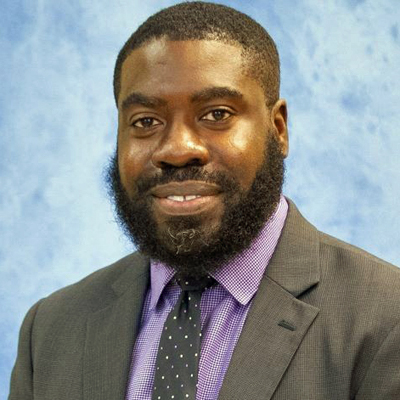
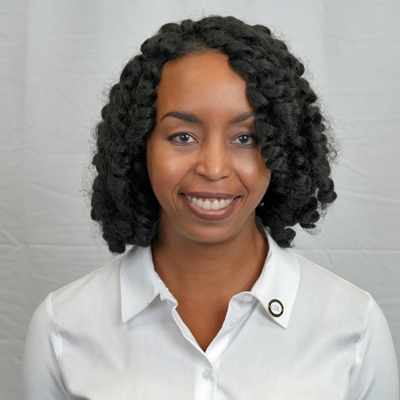
Reflections from APDs Jason Barrett, MD and Kathryn Murray, MD
Dr. Charles Richard Drew, a world- renowned innovator, educator, advocator, and surgeon, was born in 1904 and grew up in Washington, DC. Though he grew up during a time where there was significant racial segregation, his educational opportunities and physical abilities afforded him an athletic scholarship to attend Amherst College in Massachusetts where he shined as an athlete, graduating in 1926. Racial segregation during the pre-Civil Rights era heavily influenced Drew’s medical training options. Some prestigious medical schools like Harvard University, accepted some non-White applicants into their schools including Drew, but requested that he defer his admission until the following year. Howard University College of Medicine in Washington, DC, one of the premier Black institutions for medical training, did not accept him due to lacking enough English credits from Amherst College. Not wanting to wait, Drew applied and was accepted into McGill University Faculty of Medicine in Montreal, Quebec. At McGill he excelled both athletically and academically and in 1933, he graduated 2nd in his class of 137, receiving both his MD and CM (Master of Surgery) degrees. In 1938 he entered specialty training while also becoming the first African American to earn a doctorate in medical science from Columbia University in 1940. Drew’s doctoral thesis, “Banked Blood: A Study on Blood Preservation” served as a foundation and segway for his appointment as the director of the Blood for Britain program, which collected, properly stored, and shipped donated blood plasma to treat those in Great Britian who sustained civilian and military casualties during World War II. This 5-month program resulted in shipping an astounding 5,000 liters of plasma to England. This innovation of blood preservation and blood banking became his most recognizable achievement. In 1941, Drew’s success continued as he went on to become the first Black surgeon to be appointed as an examiner for the American Board of Surgery and the first director of the American Red Cross Blood Bank in New York. He went on to mentor, educate and train medical students for the next 9 years after returning to Howard University and Freedman’s Hospital as a professor and a surgeon in 1942. He prematurely died in a tragic car accident in 1950, leaving a legacy of social justice, advocacy, compassion, and innovation for future physicians to come.
The Charles R. Drew University of Medicine and Science (CDU) historically sits in the Watts- Willowbrook area of South Los Angeles. It was in this community the civil disturbance of the “Watts Rebellion” or “Watts Revolt” arose in 1965. Over the course of six days, 34 people were identified as losing their lives. The eruption was the culmination of inequitable conditions (e.g., high unemployment rates, substandard housing, and inadequate schools) sparked by a traffic stop that stressed racial tension. The McCone Commission cited poor health status and diminished access to healthcare as major factors contributing to the upheaval. A year after the riot, the Charles R. Drew Postgraduate Medical School (currently Charles R. Drew University of Medicine and Science) would incorporate in the State of California.
As February commemorates the reflection of Black History in America, the one in which the University bears its name has a legacy that continues. Known as the “Father of the Blood Bank,” much like his work focused on preservation, the spirit of viability lives on. The campus’ mission emphasizes being “committed to transforming the health of diverse and underserved communities” and “educating health professionals who are committed to social justice and health equity.” In 2023, the MD degree program matriculated the inaugural class of 60, making it (at the time) the 157th in the U.S. and the 4th at a historically Black university.
The psychiatry residency at CDU had its funding approved by the LA County Board of Supervisors in 2017. The residents are employees of LA County DMH, the largest county mental health department in the United States. Understanding the importance of training associated with reintegration, expansion of experiences include partnerships with Homeboy Industries and Californians at large through the state hospital. At a time when history would seem to repeat itself, those we serve face even greater challenges to achieve stability. Let us remain committed, steadfast, and unwavering in our oath.
“… So much of our energy is spent in overcoming the constricting environment in which we live that little energy is left for creating new ideas or things. Whenever, however, one breaks out of this rather high-walled prison of the “Negro problem” by virtue of some worthwhile contribution, not only is he himself allowed more freedom, but part of the wall crumbles. And so it should be the aim of every student in science to knock down at least one or two bricks of that wall by virtue of his own accomplishment.”
–Charles R. Drew to Mrs. J. F. Bates, a Fort Worth, Texas schoolteacher, January 27, 1947
Sources:
https://crdl.usg.edu/events/watts_riots
Patel K B, De La Cruz Quezada K, Kalluri A, et al. (December 22, 2024) Charles R. Drew (1904-1950): A Pioneer of Blood Banking. Cureus 16(12): e76181. doi:10.7759/cureus.76181
https://dmh.lacounty.gov/our-services/
https://www.nlm.nih.gov/exhibition/education/charlesdrew/pdf/lessonplan7-8.pdf
https://profiles.nlm.nih.gov/spotlight/bg/feature/biographical-overview
https://www.nationalww2museum.org/war/articles/medical-innovations-blood-banking

Quiet Stories In Our History
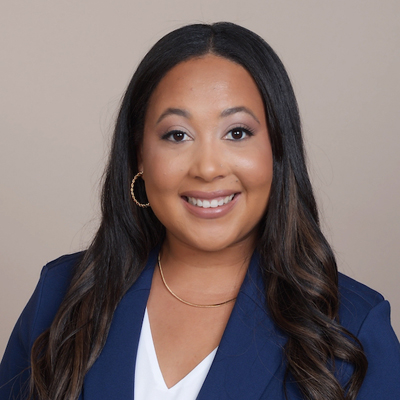
by Adrienne Carter, MD
As we begin Black History Month, I am reminded of my grandfather. He entered the Oakland Fire Department in the 1950s, at a time when the fire service was openly segregated and overwhelmingly staffed by white men. The few Black firefighters were assigned exclusively to a single station in West Oakland regardless of seniority or experience. If he was ever briefly assigned a shift elsewhere, my grandfather was not allowed to cook alongside his white counterparts. He was required to bring his own dishes, prepare his meals separately, and even bring his own bedsheets for 24-hour shifts. These were not isolated incidents or misunderstandings, but routine and accepted practices. They were unmistakable reminders of the injustice he faced despite his sworn oath to save lives.
Listening to stories about my grandfather was part of my family’s understanding of what it meant to work hard, to serve, and to persist within systems that did not always recognize our contributions. As I navigated through medical school and now residency, I have observed how some of these patterns continue to surface within healthcare, though not as blatant. For example, there have been several instances when I was assumed to be anything except for the physician in the room. These experiences feel familiar in light of the stories I grew up hearing. It was only later that I came to recognize my grandfather’s experiences as part of a broader Black history, one defined not only by historical milestones, but by the everyday endurance required to navigate systems that depended on Black labor, but don’t acknowledge our belonging.
As I reflect on Black History Month, I view it as an opportunity to honor these lived, inherited stories that are often carried forward quietly rather than shared publicly. The experiences within my own family serve as a lens through which I approach my patients. Psychiatry offers a space to listen to narratives that have often been overlooked, ignored or misunderstood, and to acknowledge the historical and social contexts in which they exist. In providing equitable, compassionate care, I see my role not only as treating illness, but as helping to create therapeutic spaces for the stories of everyday people.
I also learned early that creating space alone is not enough, representation matters as well. This lesson was reinforced through my mother’s work as a Black educator and my father’s career as a corporate helicopter pilot in a field where Black representation remains rare. From them, I learned that mentorship and visibility function as an everyday act of service. Their examples showed me that being among the first or the few can be challenging, but it is important to continue forward, even when the path feels isolating. As the first physician in my family, and specifically a Black psychiatry resident, it is important to me to give back in similar ways. I strive to remain accessible, offer guidance when able, and serve as a resource for those just beginning their journeys in medicine.
Black History Month invites each of us to honor history not only through reflection, but by making space for lived stories, fostering mentorship, and supporting representation in all of the communities and institutions we serve. In our current moments of uncertainty and challenge, the lessons carried forward from the past can help guide how we move forward. As psychiatrists, it is important that we carefully listen to stories and experiences of patients whose voices have historically been strained and opinions marginalized.

Reflecting on Immigration, Trauma, and Psychosis
by Suren Najaryan, MD
“Go back to where you came from!” An eerily ubiquitous phrase during the turn of the century when my family immigrated to the United States. This slogan, and the sentiment of unbelonging that it represents, have unfortunately become centered once again in our current political climate. Despite the complex demographics of immigrants living in the United States and their disparate journeys, anti-immigration rhetoric posits a monolithic portrayal of the quintessential immigrant—missing the nuance, and hardships, of immigration.
As a resident psychiatrist, I am now in the privileged position of providing care to vulnerable and underserved patients in the Inland Empire—many of whom, like my family, are immigrants living in fear, painfully aware of their precarious position in the American social hierarchy. Though there are common themes, this political stress has to be contextualized within each individual’s own immigration story, which can span the entire journey from pre- to post-migration. Immigrants are vulnerable to trauma and violence that affect their ability to integrate into a host country. Pre-migration factors can include war, torture, political unrest, imprisonment, and poverty (Chhabra et al., 2022). The immigration process itself can be arduous and complicated by prolonged detainment, separation from family, financial insecurity, and indefinite uncertainty. The trauma continues post-migration with factors including discrimination, acculturative stress, family conflict, and environment-related stressors. These post-migration factors, in particular, are associated with significantly increased odds ratios for developing mental health disorders across multiple countries, including the United States (Sangalang et al., 2019; Morgan et al., 2019; Hameed et al., 2018). It is no surprise, then, that immigrants are at a two- to three-fold increased risk of developing psychosis (Morgan et al., 2019). Risk tends to be highest in racialized minorities, most notably in Black minority groups (Morgan et al., 2019).
I recall a patient I cared for who presented with a diagnosis of schizophrenia: a Ugandan woman who had migrated to Georgia with her family. During our initial interview, she spoke of her fear that “abusive Ugandan men” were following her and monitoring her behavior in the inpatient unit. She endorsed auditory hallucinations of their “abusive” voices but shared that in the past, her symptoms improved with low-dose antipsychotics and sleep. Following conversation over the next few days, I learned about the abuse she had experienced from her husband, the blame and lack of support when she told her congregation, and the trauma of fleeing Georgia and leaving her children behind. She found herself in a new state with no social support, a language barrier, and facing explicit discrimination when seeking social services. The trauma she experienced post-migration compounded her childhood trauma and difficult immigration journey that included a brief period of detainment and separation from her family. Later during her hospitalization, she informed me that she is from Europe and cannot be Ugandan stating, “how can I be from the same country as the men who abuse me?” Her psychosis had become a protective mechanism to separate herself from her abuser and the immense immigration trauma she had suffered.
In remembering her story, I think about her children who undoubtedly absorbed the percolations of trauma and grief—in addition to the discrimination and acculturative stress they endure in juggling two cultures. They too will share her vulnerability for psychosis. That is to say, the risk associated with the development of psychosis in migrants does not abate with successive generations (Bourque et al., 2010). In fact, research indicates that children born to one or two migrant parents continue to demonstrate the same elevated risk, suggesting that perhaps post-migration trauma influences this relationship (Bourque et al., 2010).
Thus, it is not enough to attempt to mitigate the pre-migration factors that lead to worse mental health outcomes in these populations. As discussed in Fortuna et al. (2025), it is imperative that the field of psychiatry look beyond the individual experience of immigration trauma and move to contextualize it within the systems and environments that perpetuate it. Immigration trauma does not occur in a vacuum. It happens every day when individuals are seized violently from their jobs or homes to then be detained without due process, and especially when they experience sexual assault, physical violence, and forced sterilization in government detainment (Lue et al., 2023; Rahman, 2022). And each traumatic encounter for the parent has the potential to propagate to the child. Treatment, then, lies not solely in the clinical space but on the political landscape. Reform requires trauma-informed care in detention facilities, community support for those seeking immigration and asylum, and removal of family detention/separation (Dadras & Hazratzai, 2025).
As psychiatrists, we bring the unique ability to create space for our patients’ grief so that we can begin to piece together their joy. But we cannot allow this to be the extent of our work. We must be advocates on a grander scale—working to reform the systems that inflict harm to our patients. We bear witness to their trauma so that we can learn to prevent it for the next patient.
References
- Bourque, F., van der Ven, E., & Malla, A. (2011). A meta-analysis of the risk for psychotic disorders among first- and second-generation immigrants. Psychological Medicine, 41(5), 897–910. doi:10.1017/S0033291710001406
- Chhabra, D., Fortuna, L., & Montano, P. (2022). Stress & Trauma Toolkit for Treating Undocumented Immigrants in a Changing Political and Social Environment. Psychiatry.org. https://www.psychiatry.org/psychiatrists/diversity/education/stress-and-trauma/undocumented-immigrants
- Dadras, O., & Hazratzai, M. S. (2025). The silent trauma: U.S. immigration policies and mental health. The Lancet Regional Health – Americas, 44, 101048. https://doi.org/10.1016/j.lana.2025.101048
- Fortuna, L., Gutierrez, K., Mendoza, P., Abbas, O., Nguy, A., & Vega-Potler, N. J. (2025). Special Report: U.S. Immigration Policy and the Mental Health of Children and Families. Psychiatric News, 60(8). https://doi.org/10.1176/appi.pn.2025.08.8.19
- Hameed, S., Sadiq, A., & Din, A. U. (2018). The Increased Vulnerability of Refugee Population to Mental Health Disorders. Kansas journal of medicine, 11(1), 1–12.
- Lue N, Nwadiuko J, Parmar P, Zeidan A. Trends in Sexual Assault Against Detainees in US Immigration Detention Centers, 2018-2022. JAMA. 2023;329(4):338–339. doi:10.1001/jama.2022.22938
- Morgan, C., Knowles, G., & Hutchinson, G. (2019). Migration, ethnicity and psychoses: evidence, models and future directions. World psychiatry : official journal of the World Psychiatric Association (WPA), 18(3), 247–258. https://doi.org/10.1002/wps.20655
- Rahman, Mehraz. (2022). Escaping accountability: ice forcibly sterilizes detainees in detention centers. Human Rights Brief, 25(2), 147-152.
- Sangalang, C.C., Becerra, D., Mitchell, F.M. et al.Trauma, Post-Migration Stress, and Mental Health: A Comparative Analysis of Refugees and Immigrants in the United States. J Immigrant Minority Health 21, 909–919 (2019). https://doi.org/10.1007/s10903-018-0826-2
Disclaimer: Patient information has been changed to protect patient’s identity.
Vital Signs & Visas: The Impact of U.S. Immigrant Policies on Physicians and Patients
by Vanessa Markgraf, MD
“They tried to bury us, but they didn’t know we were seeds.” Originally popularized throughout Mexico during protests in 2014, this Zapatista slogan has since been adopted by activists around the globe. Most recently, this call to action has been used in protests supporting immigration rights, which reached a record high in 2025 according to data collected by Armed Conflict Location & Event Data (ACLED). The impetus for mounting activist activity occurred on January 20, 2025, when the U.S. Department of Homeland Security rescinded policies designating hospitals and clinics as “safe zones” for undocumented patients. With federal agents now equipped with the authority to operate in these spaces, we have seen the largest interface between medical providers and immigrant enforcement in modern history.
California is the home to over 1.4 million undocumented immigrants in Los Angeles, Orange, Riverside, and San Bernadino County alone, which are only 4 counties within Southern California Psychiatric Society’s (SCPS) jurisdiction. Since most undocumented immigrants live in mixed-status families, the true impact of recent immigration policies is closer to 3.3 million people within the state of California. And while the current rhetoric uses distancing language, these new policies do not just affect some unnamed “other,” they directly affect 20% of all individuals under the age of 18 and 9% of the working labor force, according to California Immigrant Data Portal. Amid public protests, Immigrants and Customs Enforcement (ICE) has more than doubled its workforce in 2025, put a pause on affirmative asylum processing, restricted work permits, and increased prolonged detainments according to the Department of Homeland Security.
Seeking healthcare as an undocumented immigrant comes with numerous dilemmas—for example, immigration status prevents access to services like Medi-Cal, despite undocumented immigrants generating 8.5 billion dollars in tax revenue for California, according to the Institute on Taxation and Economics. With escalating fears about new policy changes, the healthcare gap has continued to widen as undocumented immigrants avoid medical care out of fear of deportation (49%) and family separation (39%), according to a survey conducted by Physicians for Human Rights. Although undocumented immigrants already had the lowest healthcare utilization according to UCLA researchers, who found that undocumented adults had approximately half the amount of ER visits and primary care doctor visits as US-born adults, their healthcare utilization has decreased even further. During 2025 we saw 48% of appointments held by undocumented immigrants being canceled or missed, according to KFF/New York Times (NYT) 2025 Survey of Immigrants.
Despite 80% of undocumented immigrants reporting negative mental health impacts like anxiety and depression, the medical services most neglected have been preventative and non-emergency care, including psychiatry. Pre-, during, and post-migration stressors, including economic hardship, discrimination, and immigration enforcement, all coalesce to dysregulate the HPA axis, increase cortisol levels over time, and augment the risk of post-traumatic stress disorder (PTSD) according to Psychiatry Online. The effects of stress do not end there, as mentioned previously, the children of undocumented immigrants are also disproportionately affected by these policy changes. Parents’ unauthorized status impedes normal childhood development and perpetuates health inequalities through the increased Adverse Childhood Experience (ACE) of family separation, emotional dysregulation, developmental delays and the continuation of the intergenerational transmission of disadvantage.
It is imperative that, as physicians, we use the platform afforded to us by the nature of our careers to work together and amplify the voices of this marginalized community. We can make changes within our own clinics by providing alternatives to in-patient appointments, delivering trauma-informed care, and continuing to educate ourselves about the barriers to care that our patients face. Better yet, we can extend our sphere of influence by providing asylum psychiatric evaluations that triple the chance of applicants obtaining asylum, networking with existing community outreach networks, and supporting policies that ensure the safety of all our patients. Y acuérdate mi gente—el pueblo unido jamas será vencido.

My Hippocratic Oath – A Reminder
by Gilberto Luna-Bojalil, MD
I swear by whatsoever I hold most dear
That I will remember that there is art to medicine as well as science
And that warmth, sympathy, and understanding may at times outweigh all else
6 years ago, as a pre-medical student, I used to shadow clinicians at various AltaMed healthcare clinics around Los Angeles serving predominantly Hispanic communities. Whenever the issue of missed appointments would come up, some patients (usually reassured by the interview being conducted in Spanish) would find the courage to share that they felt too scared to come to the clinic because of their immigration status. As a student, the only thing I could do was be a set of ears for these patients. I would listen to and validate their concerns, and I would reassure them that their doctor’s office was a safe space, that their information was safe with us, and that medical care in the United States was thankfully set up in a way that protected those seeking healthcare.
Now, as a psychiatry resident, I find that this is no longer the case. I can no longer make such promises. Feeling increasingly helpless and less empowered than ever in my role as a healer, I have found it helpful to reflect on the oath I took when beginning my journey in medicine.
In 2021, it was with excitement and apprehension that I stood with U.S.C’s Class of 2024 at our White Coat ceremony, which had been delayed by one year in the midst of a global pandemic. 5.5 million undocumented immigrants had been recognized that year as essential workers (representing 74% of all undocumented workers). I felt both tremendous guilt and gratitude when thinking about these men and women and the quiet, critical role they play in our lives. I was also hopeful that this designation represented a long-overdue recognition of their contributions.
I will respect the privacy of my patients
For their problems are not for the world to know
On January 20, 2025, the Department of Homeland Security (DHS) rescinded the “Protected Areas” Enforcement Policy which restricted DHS agents’ ability to take enforcement action in sensitive areas such as hospitals, schools, colleges, or churches.
On December 29, 2025, a federal court ruled that the Centers for Medicare & Medicaid Services (CMS) could share information about individuals who are not lawfully residing in the United States with Immigration and Customs Enforcement (ICE).
The impact of such a breach of trust between patients and the medical system cannot be overstated: the protections I proudly reassured patients of 6 years ago no longer exist. We will likely never know the true number of people who have refrained from getting the medical care they need because of this. I am left wondering what I can do to restore trust, and bring back these protections that were once considered sacred.
I will prevent disease whenever I can
For prevention is preferable to cure
Medicine is inextricably linked to the challenges of society as a whole, and perhaps no field of medicine illustrates this more than psychiatry. As psychiatrists, we witness firsthand the effects that trauma, chronic stress, and isolation have on our mental health. Social connection lies at the core of our humanity. It is fundamental to our health and well-being.
What happens to our undocumented patients, then, when they are rejected by society? What happens when the message they receive is ostracism, or indifference, rather than acceptance? What happens when the source of their trauma is their families being torn apart? What effect does it have on a child when they see their classmates being taken away at school? If this abandonment is the cause of my patient’s disease, what does prevention look like?
I will not be ashamed to say I do not know
Nor will I fail to call in my colleagues when the skill of others is needed for a patient’s wellbeing
Last week, a patient asked me how to cope with the crippling anxiety that ICE might apprehend them or their parents. I took a deep breath, swallowed hard, and tried my best not to answer “I don’t know.” For a moment, I was at a loss for words. Am I truly understanding their pain if I respond by simply increasing their antidepressant and offering nothing more? How do I help a patient manage fears, when the threat itself is real? What can I do to help?
I may not be able to truly heal this patient or others like them on my own, and I will continue to grapple with the pain of that limitation. But I have decided that I will not fail to call in my colleagues when their expertise is needed.
I do not know how to restore the sanctity of the medical space on my own. I do not know how to prevent my patients’ trauma, chronic stress, and isolation on my own. I do not know the extent to which I alone can remind the world of these people’s value, humanity, and dignity. What I do know is that countless medical professionals share my grief and are asking themselves similar questions. I will be looking to work with you, my colleagues, to find a way back.
I will remember that I am a member of society
With obligations to my fellow human beings and the community that extends beyond my pursuit of medicine
Perhaps one of the most underestimated consequences of injustice is its effect on those who have something important to say, but have not yet found the confidence to say it. While some may feel these issues fall outside our scope as medical professionals, our roles demand that we venture past our comfort zones, become more vocal, and continue advocating for the most vulnerable amongst us. I encourage my colleagues to not only continue their essential work helping our struggling communities, but to also speak out when external forces prevent us from fulfilling the oaths that we made. I intend to honor my oath, and I stand with those who do the same.
Now if I keep this oath and break it not
May I enjoy honor in my life and art for all time
SCPS Election 2026
CANDIDATE STATEMENTS
Deadlines for Nominations by Petition: February 24, 2026
In this special section, the candidates nominated for your representation discuss their views.
Please read the statements carefully before voting.
Ballots will be mailed on or around March 9th.
Please visit this page for complete information and timeline.
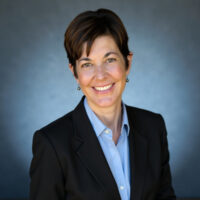
President-elect
I am honored to be nominated for the position of President-Elect for SCPS. In the next few years psychiatry in Southern California will face both challenges and opportunities. I hope you’ll trust me to help SCPS continue to make a difference with leadership and advocacy.
Monumental changes are occurring currently in the structure and funding of our healthcare systems (affecting mental healthcare in particular, especially for patients with severe mental illness). Simultaneously, the institutions we and the public have always turned to for non-politicized, evidence-based medical knowledge have increasingly become politicized and often defunded. This is a critical time for organized psychiatry to protect the professional legitimacy of our field, to prevent sham therapies from becoming legitimized, and to ensure that we as psychiatrists remain unencumbered in treating our patients as our clinical judgment dictates, with the full scope of evidence-based tools we need to do so.
I have been a member of APA for almost 30 years, and I believe that there is always an avenue for advocacy to effect change. Even when it may feel we are moving backward, organized psychiatry can find the areas where forward momentum is possible, and can find allies to help.
Currently, I serve as SCPS Treasurer, and previously served as Secretary and as Inland Region Councillor. I am co-chair for the Access to Care Committee, and a member of the Governmental Affairs Committee. In these positions I have witnessed the real day-to-day implications that SCPS advocacy has for SCPS psychiatrists and our patients.
I have spent most of my career in public psychiatry (inpatient and outpatient), but also run a part-time private practice. I currently serve as Medical Director at Patton State Hospital, a forensic setting. I have worked in virtually every psychiatric environment, so I can relate to the challenges we face across SCPS.
I am committed to hearing from you about the issues affecting your practice. The stimulant crisis, the decreasing access of our patients to care by psychiatrists, mental health parity, and the problems psychiatrists have in getting fair reimbursement from insurance, remain particular areas of concern for me.
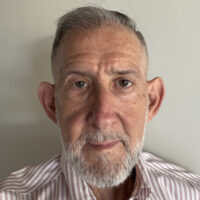
Treasurer-elect
I have been a member of SCPS and APA since 1978. I have served on the Peer Review, AIDS, Gay/Lesbian/Bi Issues, Hospital and LPS Task Force Committees. I served as West LA Councilor from 1996-2000 and currently as Inland Reginal Councilor, as well as the Access to Healthcare and Private Practice Committees. I have shepherded multiple committees on the staff of Saint John’s Hospital (where I was Chair of the Department 1995-2000) and the New Center for Psychoanalysis in LA where I graduated in 2008.
SCPS is our voice for organized Psychiatry – its fiscal integrity and stability are integral to effective management of resources and planning.
As our clinical and political priorities continue to change, we must have a sound financial base to pursue both self-management and advocacy, at the local (cities and counties), state (California and CSAP) and national (APA and US) levels. This means sound and coherent stewardship and investment.
I am honored to be nominated to shepherd this aspect of our organization so that we can continue to advocate for our patients and our profession.

Secretary
I am honored to be nominated for the position of SCPS Secretary. Currently, I serve SCPS as the Early Career Psychiatry Representative and participate in the Government Affairs Committee, Council, and the Artificial Intelligence (AI) Committee. In the past, I have served as the Deputy and Representative of Minority and Underrepresented Groups and have chaired the Diversity and Culture Committee.
My clinical and academic roles include my appointment as an Assistant Professor of Psychiatry at UCLA, serving as the Associate Program Director for the Child Psychiatry Fellowship, and providing direct patient care while supervising trainees across a range of clinical settings, including the inpatient service, mood disorders clinic, and child and adult neurodevelopmental disorders clinic.
Given my investment in training the next generation of psychiatrists while caring for children and families with the greatest needs, I feel deeply committed to the role of organized psychiatry in advancing professional advocacy, ethical practice, and collegial community. SCPS plays a critical role in connecting clinicians across practice settings and career stages, amplifying our collective voice, and supporting psychiatrists in an increasingly complex professional landscape.
Should I be elected as Secretary, I hope to serve as a conduit between the SCPS leadership and its membership, translating the Council’s discussions into clear communications that foster trust, engagement, and shared purpose. I am committed to maintaining clear, organized, and accessible records of meetings and decisions, ensuring continuity across leadership transitions. I view this role as essential to maintaining continuity, transparency, and institutional memory.
I would be grateful for the opportunity to serve SCPS in this capacity and to continue contributing to the mission of SCPS in supporting psychiatrists and advancing mental health care across Southern California.

San Fernando Valley Region Councillor
I am honored to be nominated for the San Fernando Valley Region Councillor position. I am currently a third-year psychiatry resident at Olive View–UCLA Medical Center. I chose to train in a county program because I am deeply committed to providing high-quality psychiatric care to underserved and marginalized communities.
Through my residency in county clinics and hospitals, I have seen firsthand the significant structural and systemic barriers patients face in accessing timely and appropriate mental health care. These experiences have strengthened my desire to advocate not only for my patients, but also for the clinicians working within these challenging systems.
As Region Councillor, I would be grateful for the opportunity to communicate the needs and perspectives of patients, trainees, and practicing psychiatrists in the San Fernando Valley to the Southern California Psychiatric Society.
Thank you very much for your consideration.

San Gabriel Valley/ELA Region Councillor
I have been in private practice for nearly 40 years since I finished my training at UCLA. In addition I’ve been an Adjunct Clinical Professor at USC for over 10 years. I have been an SCPS councilor representing the San Gabriel Valley and East Los Angeles for the past 3 years. My career has included outpatient private treatment through a group practice, inpatient treatment at Aurora Las Encinas Hospital and as director of psychiatric services at PCH Treatment Centers, a private residential and intensive outpatient treatment program. I have been a member of the Access to Care Committee with a particular interest in the acute inpatient bed shortage in our region for treating serious mental illness. Since October I have been Chair of the the AI Task Force Committee charged with evaluating the effects of AI on mental health, educating our membership on rapidly changing information in this area and providing public service information through referrals to our social media committee. My goals include supporting autonomy for our profession, enhancing the delivery of optimal services to the population we serve as well as to continue evaluating the impact of AI in the work we do.

Santa Barbara Region Councillor
I am honored to be nominated as Santa Barbara County Councilor. During my residency, part of my training was in Santa Barbara, and I was able to firsthand get to know about the issues with accessing care and day-to-day patients’ struggles in such an affluent yet underserved region regarding mental health. At that time, I served as the resident/fellow member representative at SCPS. Now, after finishing my residency at Community Memorial Healthcare in Ventura, and Consultation-Liaison psychiatry fellowship at UCSD, I am thrilled to be back to serve at SCPS for another year as an advocate for patients’ mental health, their loved ones and to our field as a whole, by fostering stronger collaborations that lead to positive changes.
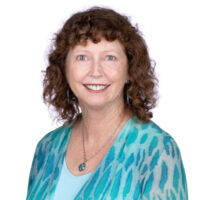
Ventura Region Councillor
I came to Ventura County as a pediatrician in 1996 and have been involved in the medical community. I witnessed lack of access to mental health services as a parent and pediatrician. This led me to train in child and adolescent psychiatry, then return to make a difference. My three pillars of practice are education, collaboration and advocacy.
I teach psychiatry, family medicine and pediatric residents through a CAP outpatient clinic in Ventura. I have also lectured locally, nationally and internationally on mental health topics. I founded the Pediatric Mental Health Collaborative bringing together pediatricians with mental health professionals to educate, support one another and advocate.
I have been active in the Ventura County Medical Association and completed a 6-year term on the board of governors. I also attend CMA leg day and bring psychiatry residents with me. I have been active in advocacy with AACAP and Cal-ACAP and am on a local advocacy committee with the AAP.
Given my experience with education, collaboration and advocacy across specialties, I have built relationships in the medical community and want to give back as a SCPS Ventura Region Councillor. Given the political climate and mental health crisis, we need to build bridges.

West Los Angeles Region Councillor
I am currently one of the West Los Angeles Councillor and am delighted to again be nominated for this position.
I am a private-practice psychiatrist and a Volunteer Assistant Clinical Professor at UCLA.
I have been deeply impressed by the passion for public advocacy shown by many of the SCPS Board members show and have had the opportunity to contribute to the organization by participating on the APA Reception planning committee and on the nominating committee.
I hope this year to be able to participate in the relatively newly formed AI committee and to assist the long-standing private-practice committee in its efforts to help the APA recognize the importance of addressing issues that matter to those in private practice.
Thank you for taking the time to read my statement.

Early Career Psychiatrist Representative
I am honored to be considered for the Early Career Psychiatrist (ECP) Representative role. I completed my general psychiatry residency at St. Luke’s University Health Network in Pennsylvania, where I was actively involved in teaching and mentoring medical students and residents. I fast-tracked into Child and Adolescent Psychiatry at Kaiser Permanente Fontana to further my training. Los Angeles is my home, and returning to Southern California—where I grew up—has been a meaningful goal as I transition into early attending practice.
Throughout my training, I developed a strong interest in medical education and professional development, with a particular focus on supporting trainees as they navigate the transition from graduation into independent practice. During residency, I served as a Resident–Fellow Member Representative for both AACAP and APA’s regional organizations, which provided valuable insight about the evolving needs of trainees and early career psychiatrists.
My experiences in teaching, mentorship, and advocacy have reinforced the importance of structured guidance, transparency, and community during this pivotal career stage. If elected, I would work to advocate for programming, mentorship opportunities, and practical resources that help ensure a
smoother, more supported transition for early career psychiatrists.
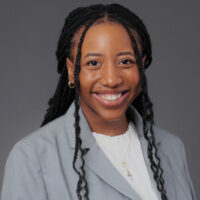
Resident-Fellow Member Representative
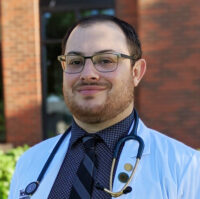
I am thrilled and humbled to be nominated for the role of Resident-Fellow Member Representative of SCPS. I am a PGY-1 at UCLA and grew up in a small town called Beaumont, CA, where I fostered relationships and gained experiences that instilled my passion for medicine. I attended UC Berkeley for college, where I instilled a passion for Psychiatry through clinical experiences and psychiatric clinical trials research. During medical training at University of Washington, my commitment to psychiatry deepened through clinical experiences that highlighted the power of listening, connection, and the biopsychosocial approach as tools for healing and was especially drawn to psychiatry’s ability to honor the full humanity of patients. Throughout my training, I sought opportunities to lead, advocate, and innovate. Serving as Co-President of the Child & Adolescent Psychiatry Interest Group, publishing a manuscript on ikigai (one’s reason to live), advocating for youth mental health and insurance accountability through CALACAP, and authoring an APA Action Paper, all affirmed my belief in psychiatry’s role beyond the clinic.
If elected, I am excited to contribute my passion, innovation, and leadership skills toward advancing mental health and patient-centered care, whilst promoting collective action amongst clinicians at large. I appreciate your consideration!
Resident-Fellow Member Representative
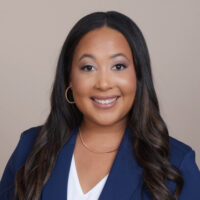
I am so grateful for the honor of being considered for the role of Resident-Fellow Member Representative for SCPS.
We stand at the crossroads as our profession wrestles with attacks on the institutions and foundations of medical expertise, the emergence of Artificial Intelligence, and ever growing unmet psychiatric need in our communities. Advocacy and engagement today is more important than ever before as we set the course for the next era of psychiatry for a world with diagnosis powered by biomarkers, new medication classes and interventions transforming the care landscape, and the rising call for system reform to fix the healthcare system failing patients and physicians alike.
Through advocacy work with the AMA, CMA, and OMA, I have had the opportunity to learn and grow thanks to the mentorship of incredible leaders in the field but there is no substitute for having the opportunity to be of service to my own specialty and community. Through service on the Council I hope that I can help represent and strengthen the resident and fellow voice while deepening my ties to the profession I love and the communities I am proud to serve.
Deputy Minority and Under-Represented Representative
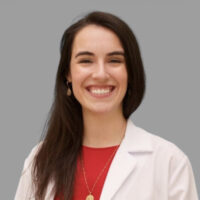
I grew up in Oakland, CA and I am the first physician in my family. My mom is a retired kindergarten teacher and my dad is a retired firefighter. From their example, I learned the importance of service, compassion and advocacy, which inspired me to pursue a career in medicine. Studying sociology in college and later working as a community health worker exposed me to the profound impact of social determinants and unmet mental health needs, ultimately leading me to pursue psychiatry as a field that integrates advocacy, clinical medicine and patient-centered care.
I am honored to be considered for the Deputy Minority and Under-Represented Representative position with the Southern California Psychiatric Society. I am currently a PGY-1 psychiatry resident at the University of California, Riverside. As a first-generation physician, I recognize how representation and mentorship within organized psychiatry can shape career pathways and foster a more inclusive profession.
In this role, I would aim to bring forward the experiences of residents and early-career psychiatrists, support ongoing equity initiatives, and collaborate with SCPS leadership to help foster a more inclusive psychiatric community in Southern California. Thank you for your consideration!
Deputy Minority and Under-Represented Representative
I am honored to be nominated as the DMURR at SCPS. As a second-generation immigrant, conversations around culture and equity shaped my formative years, as most of my friends were also the children of immigrants. While studying at Johns Hopkins, I mentored over 400 students through the Office of Multicultural Affairs, hosting monthly cultural exchange workshops.
In medical school, I continued this work by founding an LGBTQ+ interest group, developing diversity advocacy training and securing a $25,000 grant, launching a STEAM volunteering initiative at a children’s shelter, and creating a residency application course for first-generation medical students. Once I encounter inequity, I find it impossible to ignore.
As a first-generation college student, I was guided by Gates Millennium Scholars mentors who emphasized “paying it forward.” I chose CDU for residency because of its commitment to healthcare equity and the opportunity to serve LA’s Latino population through my Spanish fluency. Since starting residency, I have spoken on medical student panels, mentored with Compton Community Care, helped develop a Medical Spanish course, and initiated research supporting Latino mental health. My friends joke that “I’m allergic to free time” and, if elected, I hope to continue this drive by addressing inequity in Psychiatry.

APA Assembly Representative
I am honored to be considered for the position of APA Assembly Representative. As a long-time Regional Councilor and former President of SCPS, it would be an honor to continue serving the organization and its members in the role of Assembly Representative.
My goals for serving as an Assembly Representative are informed by my experiences as a physician, educator, and citizen. My priorities will be to:
- Represent the advocacy goals of the SCPS membership within the APA Assembly.
- Advocate for social policies aimed at educating the public about mental illness and improving trust, communication, and tolerance in our society.
- Advocate for legislation that holds accountable the insurance and pharmaceutical industries for policies, procedures and actions that cause inequitable delays, disruptions or costs to the public.
- Support legislation that endorses the primacy of psychiatric physicians in the mental health care of all patients.
If elected, it would be an honor to serve SCPS and its membership as an APA Assembly Representative. Thank you for your support.

APA Assembly Representative
I am honored to seek the position of APA Assembly Representative for SCPS. Having recently attended the Assembly as an alternate, I was able to see first-hand how I can help advocate for our region in the greater APA decision-making body. My commitment to organized psychiatry spans decades, with a focus on advancing our profession through leadership, education, and advocacy.
My SCPS Experience:
- Current President, Southern California Psychiatric Society
- Chair, SCPS Child Committee
- SCPS Representative, Southern California Society of Child and Adolescent Psychiatry (SCSCAP)
- Past Councillor and Program Committee member
My Broader Leadership:
- Editor-in-chief, Website Editorial Board (WEB), American Academy of Child and Adolescent Psychiatry (AACAP)
- Distinguished Fellow, American Academy of Child and Adolescent Psychiatry
- Fellow, American Psychiatric Association
If Elected, My Priorities Will Include:
- Strengthening Child and Adolescent Mental Health Advocacy — Ensuring that the unique needs of young patients and the child psychiatry workforce receive robust representation at the APA Assembly.
- Enhancing Communication and Transparency — Providing regular updates to SCPS members about APA Assembly activities and creating opportunities for member input on critical policy decisions.
- Protecting Psychiatric Practice — Advocating for policies that support physician-led, evidence-based care while addressing workforce challenges and access barriers.
- Bridging Academic and Clinical Perspectives — Leveraging my experience in academic medicine and clinical practice to ensure diverse viewpoints inform APA positions.
I am deeply grateful for the opportunity to serve SCPS and its members. The strength of our organization lies in our collaborative spirit and shared commitment to excellence in patient care. I would be privileged to represent SCPS at the APA Assembly and amplify our collective voice in shaping the future of psychiatry.
Proposed Bylaws Amendment
A proposed amendment on the election ballot changes the procedure for filling the office of the Treasurer-Elect if it becomes vacant prior to the expiration of the incumbent’s term of office. The current bylaw requires that the office remain vacant until the next regularly scheduled election. This is different from the procedures for other vacancies in officer positions, which require that the office be filled quickly through either Council appointment or a special election.
The proposed Bylaws change mirrors the current Bylaws for filling an unexpected vacancy for President. It would require the Council to request the Nominations and Election Committee and/or Council to meet at an early date for the purpose of selecting one or more candidates for Treasurer-Elect, and the Council to then promptly hold a special election wherein the voting members of the District Branch shall elect a person to fill the vacancy for the unexpired term of office. SCPS Council believes that this proposed bylaw change would help ensure that the important functions of the treasurer elect position, especially related to service on the Executive Committee, are restored as quickly as possible in the event of unexpected vacancy.
Distinguished Fellowship
Have you been a General or Fellow member for at least eight years? If so, you may be eligible to apply for Distinguished Fellowship.
Distinguished Fellowship is awarded to outstanding psychiatrists who have made significant contributions to the psychiatric profession in at least five of the following areas: administration, teaching, scientific and scholarly publications, volunteering in mental health and medical activities of social significance, community involvement, as well as for clinical excellence. Distinguished Fellow is the highest membership honor the APA bestows upon members.
The application process takes almost a year and the 2026 cycle is about to begin. For more information please go to https://www.psychiatry.org/membership/honorary-fellowship/dfapa
If you are interested in becoming a DFAPA and believe you might be eligible, please contact Mindi at socalpsychiatric@gmail.com
She will provide you with the form required for the first step in the process.
Information about SCPS Dues and Tax Deductibility
Your continued membership is of great value to SCPS and the California State Association of Psychiatrists (CSAP).
For 2026, 31.5% of your dues will go towards direct advocacy services. The remaining 68.5% may be written off as a business expense. Please consult your accountant regarding deductibility.
For 2025, 28.2% of your dues went towards direct advocacy services. The remaining 71.8% may be written off as a business expense. Please consult your accountant regarding deductibility.
We know that membership is a choice and we thank you for choosing to support your profession, your patients, and your colleagues.
Sincerely,
Ijeoma Ijeaku, M.D.
Chair, Membership Committee
December Council Highlights
by Roderick Shaner, MD
Meeting Date: December 11, 2025
Next Meeting: January 8, 2026, 7:00 PM (Zoom)
President’s Report – Dr. Kelly
- CSAP/SYASL Extension: Kelly notified Council of the Executive Committee decision to extend through 2026 the SCPS Contract with CSAP/SYASL. Council members expressed satisfaction with CSAP/SYASL performance during 2025 and ratified the decision
- SCPS Installation and Awards Event on Sunday, May 3, 2026 – NCP Dr. Kelly announced the scheduling of the annual SCPS Installation event on Sunday, May 3, 2026, at the New Center for Psychoanalysis, noting that in the absence of monthly in person Council meetings, this program has become an important opportunity for Council members to meet socially.
President‑Elect’s Report – Dr. Halpin
- Nominating Committee: Dr. Halpin presented the slate for the 2026 SCPS election and thanked the Nominations Committee for their work. She also noted the ongoing work of the Bylaws Committee in developing potential bylaws changes for possible placement on the 2026 ballot for purposes of more expeditiously filling any future unanticipated vacancies in Council executive positions. Council members expressed satisfaction with the slate and discussed possible future initiatives to further encourage SCPS members to accept future nominations. A work group to accomplish this may be formed.
Treasurer’s Report – Dr. Friedman
- November Financials: Overall income: For the year, income is over by about $67,384 which includes 83K gain in investments. Overall Expenses: For the year to date, overall expenses are under budget by about $19,538 (additionally, 12.5K was offset by reception contributions. Assets: Total assets are $91,351 over as compared to last year. Liquid assets are over by about $18,456 as compared to last year at this time.
Assembly Report – Dr. Silverman
- Meeting with Area 6 Council: Silverman reported that the APA representation taskforce had a robust discussion with Area 6 Council leadership to discuss SCPS’s suggested initiatives to improve California representation effectiveness at the APA Assembly and will continue to advocate for constructive changes. Dr. Ijeaku additionally proposed creating a more structured nominating committee within SCPS to identify potential candidates for both local and national positions earlier, and support for this was expressed.
Government Affairs – Drs. Wood/Halpin
- Legislation: Dr. Wood noted that the CSAP state level strategy for 2026 is to develop initiatives for needed state legislation and then enlist willing legislators as bill authors. Initiatives include clarification of involuntary detention status in non-LPS designated facilities and development of ways to provide care for general medical conditions for individuals who cannot give informed consent but are detained in both LPS designated and non-designated general medical wards..
- California Mental Health Priorities: The Committee recommended that Council request that CSAP create a list of highest priorities for improving the California mental health system, with a focus on influencing the upcoming governor’s race. Priorities might include changes to welfare and institutions codes regarding holds in different settings. GAC will provide updates on possible priority initiatives soon and will provide updates on these initiatives in the coming months.
Passed Motion: To request that SCPS CSAP GAC ask CSAP to develop a list of the key mental health priorities for California in 2026 and beyond, for purposes of informing the upcoming California’s governor election.
CSAP PAC/CSAP PAC Task Force
- Joint meeting of DB Presidents and CSAP PAC reps: Halpin briefed the Council on the productive SCPS-requested meeting held on December 19, 2025. She indicated that SCPS members of this group are developing some structured proposals that SCPS might provide to this group in the future to help ensure fair and predictable support for the CSAP PAC in the future. The task force recommended SCPS support for the PAC. Council, and Council members thanked Dr. Halpin for her fine leadership of this California DB group.
Passed Motion: To approve contribution of the remaining budgeted amount to the CSAP PAC and recommendation that Area 6 DBs continue to meet to develop shared goals.
Committee Reports
- Membership: Dr. Ijeaku reported 10 new members.
- Private Practice: Dr. Goldenberg reviewed the successful zoom meeting on Tuesday, December 2 in which data exchange rules and telehealth prescribing rules were discussed with CMA representatives Jeff Nguyen and Rachel Proud.
- Access to Care: Dr. Friedman reported that the Committee is planning an evening program in March focused on the new GD criteria
The Southern California PSYCHIATRIST
ALL EDITORIAL MATERIALS TO BE CONSIDERED FOR PUBLICATION IN THE NEWSLETTER MUST BE RECEIVED BY SCPS NO LATER THAN THE 1ST OF THE MONTH.
NO AUGUST PUBLICATION. ALL PAID ADVERTISEMENTS AND PRESS RELEASES MUST BE RECEIVED NO LATER THAN THE 1ST OF THE MONTH.
SCPS website address: www.socalpsych.org
© Copyright 2026 by Southern California Psychiatric Society
Southern California PSYCHIATRIST is published monthly, except August by the:
Southern California Psychiatric Society
P.O. Box 10023
Palm Desert, CA 92255
(310) 815-3650
Permission to quote or report any part of this publication must be obtained in advance from the Editor.
Opinions expressed throughout this publication are those of the writers and, unless specifically identified as a Society policy, do not state the opinion or position of the Society or the Editorial Committee. The Editor should be informed at the time of the Submission of any article that has been submitted to or published in another publication.
Disclaimer
Advertisements in this newsletter do not represent endorsement by the Southern California Psychiatric Society (SCPS), and contain information submitted for advertising which has not been verified for accuracy by the SCPS.
SCPS Officers
President – Patrick Kelly, M.D.
President-Elect – Laura Halpin, M.D.
Secretary – Roderick Shaner, M.D.
Treasurer – Gillian Friedman, M.D.
Councillors by Region (Terms Expiring)
Inland – Daniel Fast, M.D. (2027); Kayla Fisher, M.D. (2027)
San Fernando Valley – Matthew Markis, D.O. (2026); Yelena Koldobskaya (2028)
San Gabriel Valley/Los Angeles-East – Reba Bindra, M.D. (2026); Timothy Pylko, M.D. (2026)
Santa Barbara – Anu Bodla, M.D. (2027)
South Bay – Steven Allen, M.D. (2027)
South L.A. County – Emily Wood, M.D. (2026)
Ventura – Joseph Vlaskovits, M.D. (2026)
West Los Angeles – Haig Goenjian, M.D. (2027); Tanya Josic, D.O. (2027); Lloyd Lee, D.O. (2027); Alex Lin, M.D. (2026)
ECP Representative – Manal Khan, M.D. (2026)
ECP Deputy Representative – Ruqayyah Malik, M.D. (2027)
RFM Representative – Christopher Chamanadjian, M.D. (2026); Alexis Smith, M.D. (2026)
MURR Representative – Austin Nguy, M.D. (2026)
MURR Deputy Representative – Miles Reyes, M.D. (2027)
Past Presidents – J Zeb Little, M.D.; Matthew Goldenberg, D.O.; Galya Rees, M.D.
Federal Legislative Representative – Laura Halpin, M.D.
State Legislative Representative – Emily Wood, M.D.
Public Affairs Representative – Christina Ford, M.D.
Assembly Representatives – Matthew Goldenberg, D.O. (2029); Ijeoma Ijeaku, M.D. (2027); Justin Nguyen, D.O. (2028); Heather Silverman, M.D. (2026)
Executive Director – Mindi Thelen
Website Publishing – Tim Thelen
SCPS Newsletter Editor – Laura Halpin, M.D.