
Southern California PSYCHIATRIST – Volume 75, Number 3 – November
In this Issue
President’s Column by Laura Halpin, MD, PhD
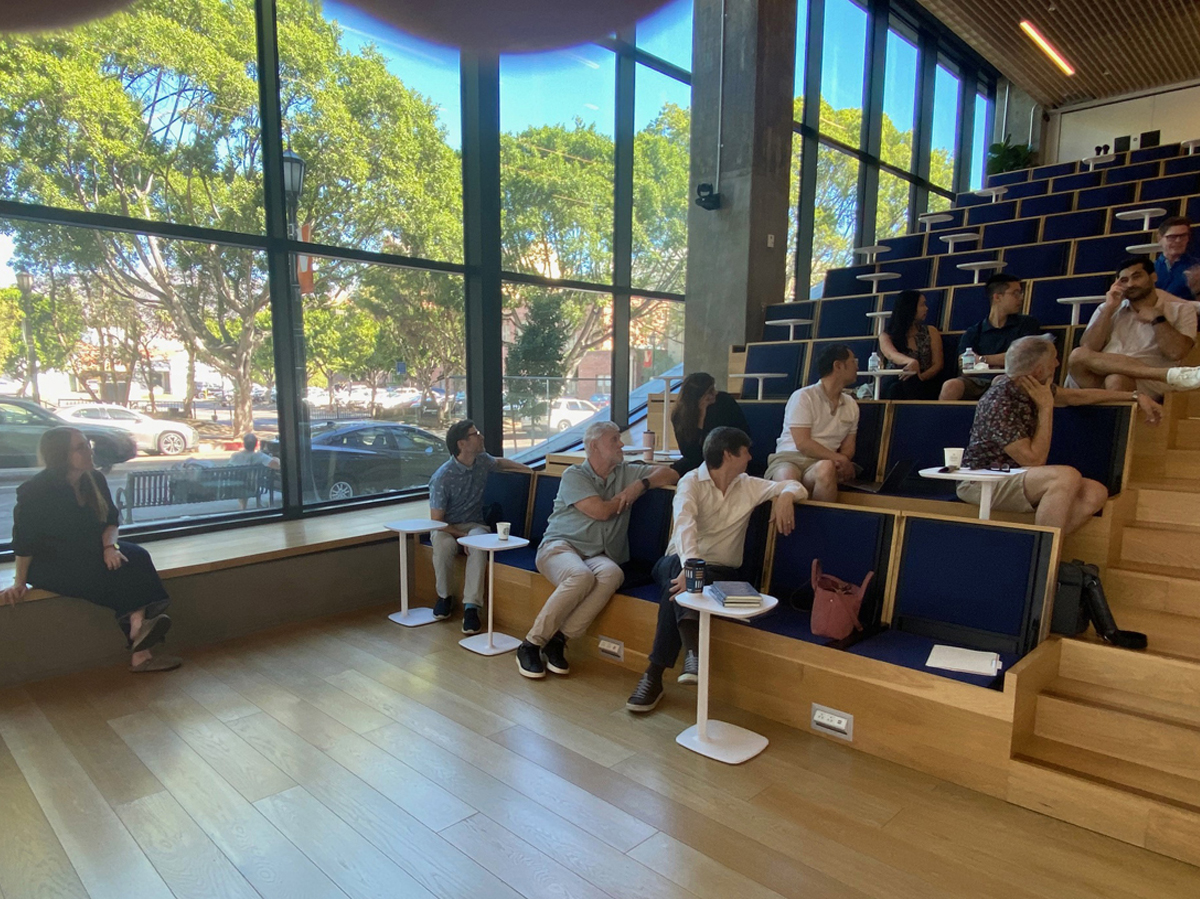
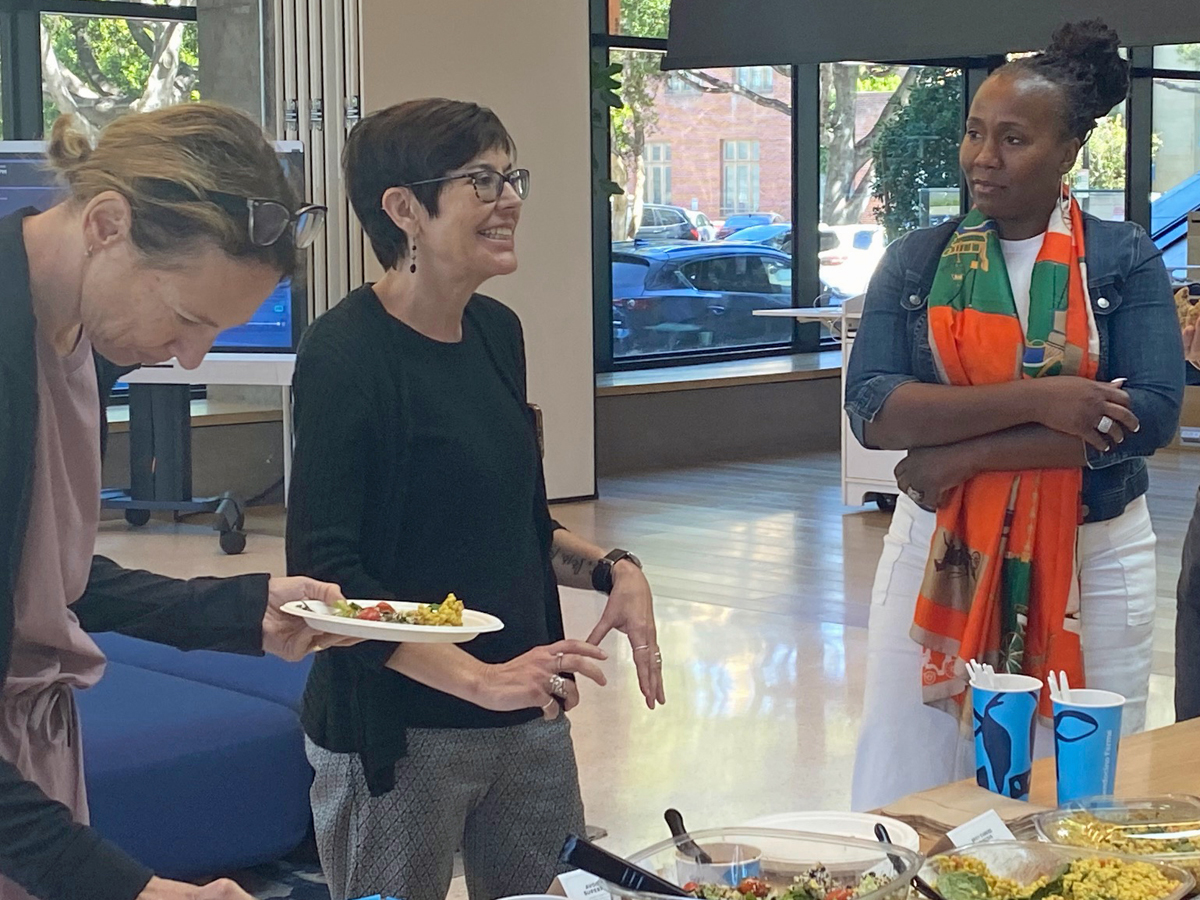
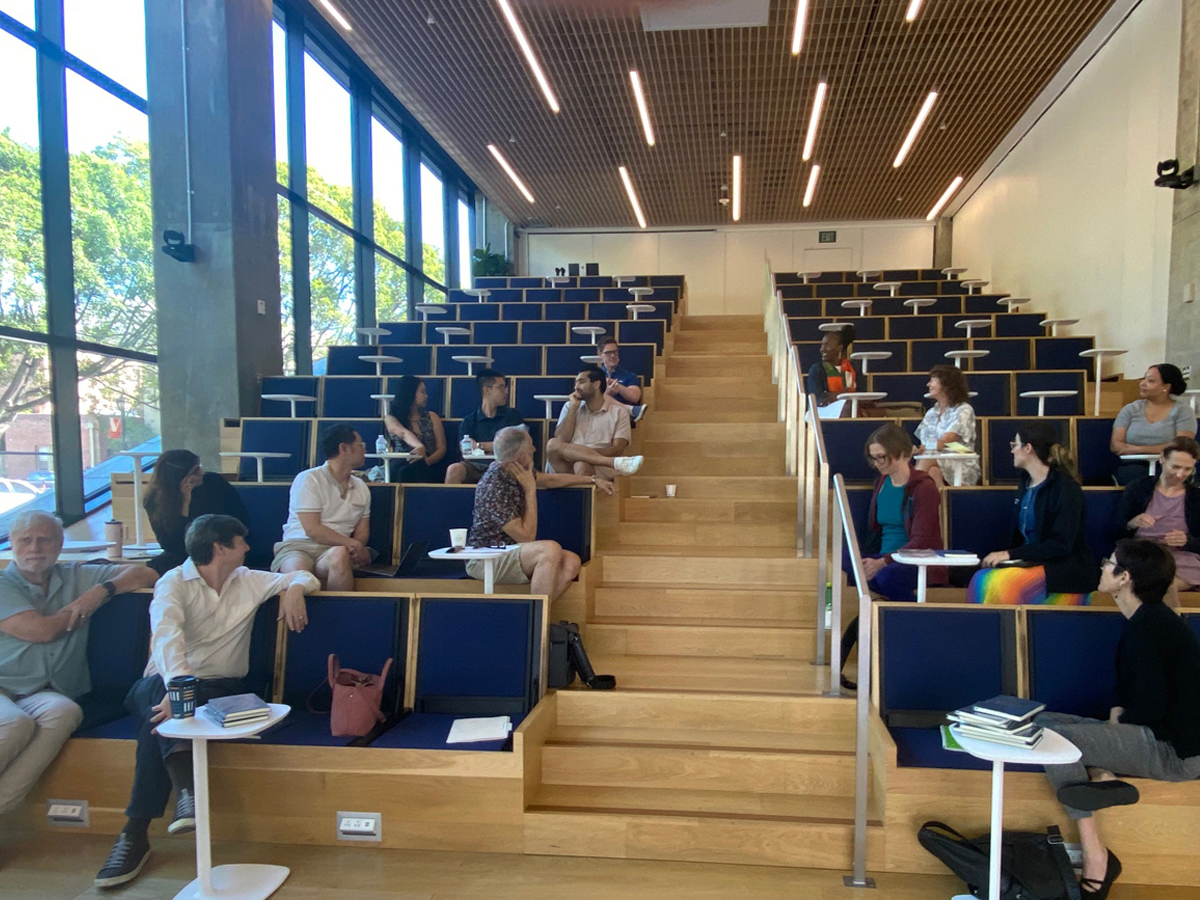
SCPS Council Retreat – Photo Gallery
Medetomidine: A Surging Adulterant in the Illicit Opioid Supply by Steven Allen, MD
California SB 243: A New Statutory Framework for Companion AI Safety by Kayla Fisher, MD, JD
AACAP 2026: AI, AI, and more AI by Patrick Kelly, MD
September Council Highlights by Manal Khan, MD

President’s Column
by Laura Halpin, MD, PhD
I was recently talking with a colleague about how remarkable it is that a psychiatrist has been awarded the Nobel Prize in Physiology or Medicine this year. Karl Deisseroth, MD, PhD, a professor of psychiatry and bioengineering at Stanford University, shares the 2026 Nobel Prize with Peter Hegemann, PhD and Georg Nagel, PhD for their discoveries leading to optogenetics. My colleague had shared that she was in residency with Dr Deisseroth at Stanford and he was brilliant then, while in clinical training.
Optogenetics combines genetics and molecular biology to allow scientists to control the activity of specific neurons using light. By introducing genes that encode light-sensitive ion channels into selected cells, researchers can activate or inhibit those cells and study how specific neuronal circuits work. This technique has transformed neuroscience, giving researchers new ways to investigate some of the most complex questions about how the brain works at the level of neuronal circuit.
As I read more about the history of psychiatrists receiving Nobel Prizes, I learned that Dr. Deisseroth is the fourth psychiatrist to receive the Nobel Prize in Physiology or Medicine and the first in over 25 years, following Dr. Eric Kandel in 2000 for his discoveries related to learning and memory, Dr. Antonio Egas Moniz in 1949 for his work on leucotomy to treat psychosis, and Dr. Julius Wagner-Jauregg in 1927 for his discovery of the therapeutic value of malaria inoculation in treating neurosyphilis.
As a recovering neuroscientist who was in graduate school when Dr. Deisseroth and his colleagues were developing optogenetics, I remember hearing about it the annual Society for Neuroscience conference and having my mind blown by the technique and its potential. Even then, building an independently funded research career was an enormous challenge. I say this as an MD/PhD who now spends most of my time in clinical practice!
I wanted to highlight this achievement in this month’s newsletter because, amid the many changes at the federal level and growing concerns about the future of academic institutions and research funding, I find myself wondering: Will Dr. Deisseroth be the last psychiatrist to win a Nobel Prize?
I certainly hope not. Psychiatry has made remarkable advances, but we still have so much to learn about the brain, mental illness, and the treatments that can improve our patients’ lives. Today’s breakthroughs often begin with basic research that may not have an immediate clinical application but ultimately transforms how we understand and treat disease. Sustaining that progress requires continued investment in scientific discovery, academic institutions, and the next generation of physician-scientists.
As psychiatrists, we have an important role to play in advocating for the research infrastructure and funding that make these discoveries possible. As I discussed in September’s newsletter, we recently had a small advocacy win with the letter we wrote to expressing concern about a proposed Office of Management and Budget rule that would have increased compliance requirements and the risk of discretionary termination for federal grants, including psychiatric research grants and other grant funding for behavioral health programming and services (the rule has been delayed for now), but this work and supporting our academic institutions must remain a priority as the year comes to a close.
This also connects with one of the goals that emerged from our recent SCPS Council Retreat: strengthening our advocacy efforts and continuing to find meaningful ways to connect with and support our training programs. (See below for photos from the retreat!). The region covered by SCPS includes 17 psychiatry training programs, including some of the strongest academic training programs in the country. Whether through advocacy, education, mentorship, or supporting colleagues pursuing academic careers, we all have opportunities to help ensure that the next generation of discoveries, and perhaps the next psychiatrist Nobel laureate, has the support it needs to flourish.
SCPS Council Retreat
October 3, 2026 – Kaiser Permanente Bernard J. Tyson School of Medicine
As noted in the president’s column above, SCPS recently held its first leadership retreat. Gathering at Kaiser Permanente Bernard J. Tyson School of Medicine, the SCPS Council held our October meeting and discussed the challenges facing psychiatrists and ways for SCPS to remain engaged and to effectively advocate for our patients, practices, and the field of psychiatry. SCPS hopes to make this a yearly tradition. If you’re interested in becoming an SCPS leader or attending other SCPS events, please reach out to Mindi to learn more about leadership opportunities and ways to get involved.


Medetomidine: A Surging Adulterant in the Illicit Opioid Supply
Steven Allen, MD
Introduction
According to the Centers for Disease Control and Prevention (CDC), national overdose deaths fell by nearly 14% in 2025 with similar trends in 2026 and a projected additional 11% to 12% decline in overdose deaths nationally [1]. Despite the encouraging reduction in overdose deaths, the unregulated drug supply remains unpredictable and illicitly manufactured fentanyl (IMF) continues to be involved in most overdose deaths. Additionally, the opioid crisis has become increasingly complicated due to the co-mixture of IMF with other central nervous system depressants, including animal tranquilizers. Of particular concern is the increasing numbers of potent alpha-2 receptor agonists, first Xylazine and more recently Medetomidine, detected in synthetic opioid overdoses.
Pharmacology of Medetomidine
Medetomidine is a racemic mixture consisting of equal proportions of its two enantiomers, levomedetomidine and dexmedetomidine. It is a potent synthetic alpha-2 adrenergic alpha-2 receptor agonist that also interacts with non-adrenergic imidazoline receptors in the central nervous system. Compared with xylazine, medetomidine exhibits approximately 200 times greater potency and 10 times greater selectivity for alpha-2 adrenergic receptors [2-6]. This increase in alpha-2 receptor selectively results in a more pronounced sedation and a longer duration of action than that of xylazine.
Epidemiology of Medetomidine
Medetomidine was developed by Farmos Group LTD and first introduced to the European market in 1987 under the brand name of Domitor [7]. During the late 1980’s and early 1990’s, dental research investigated the hemodynamic and analgesic properties of medetomidine; however, it was never approved by the FDA for human use in the United States [4]. In 1993, Farmos Group LTD merged with Orion Pharmaceuticals, which continued the drug’s development. In 1996, medetomidine received its first FDA approval for use as a sedative and analgesic in dogs older than twelve weeks of age [7]. Since then, it has found applications in other animals including cats and livestock such as sheep and horses.
Dexmedetomidine, the pharmacologically active stereoisomer of medetomidine, is marketed under the brand names Dexdor and Precedex. In 1999, dexmedetomidine received FDA approval for use in humans as a sedative for ICU patients who were intubated and mechanically ventilated. Since then, clinical indications have expanded to include use as an analgesic in non-intubated patients before and during surgical and other procedures [7].
Emergence and Rapid Proliferation of Illicit Medetomidine Use
In response to the increasing prevalence of xylazine adulterants in the IMF supply, several states have classified xylazine as a controlled substance. Subsequently, these states have seen a significant decrease of xylazine adulterants in the illicit opioid supply. However, medetomidine remains unclassified as a controlled substance and, in the setting of increased xylazine regulations, medetomidine was first detected in street opioid supplies in Maryland in July 2022 [3, 4, 8].
By mid-2023, illicit medetomidine, also referred to by street names such as “rino tranq”, “dex” and “mede”, had been detected in toxicology specimens from patients presenting to emergency rooms with suspected overdoses in California, Colorado, Florida, Illinois, Maryland, Missouri, North Carolina, Ohio, and Pennsylvania [4, 9, 10]. By late July 2024, medetomidine had been detected in drug and biological specimens from people who use drugs (PWUD) in at least 18 states plus the District of Columbia [11, 12]. By the end of 2024, medetomidine had replaced xylazine as the most prevalent adulterant in Philadelphia’s illicit opioid supply, with nearly 72% of tested unregulated opioid specimens containing medetomidine [4].
Since 2024, emergency room visits for medetomidine withdrawal in Philadelphia have increased by 29%. Of these patients, 77.5 % presented with severe withdrawal requiring ICU treatment, and 20.1% required intubation [4, 13]. Reflecting a pattern of geographic expansion like that observed with xylazine several years earlier, the National Forensic Laboratory Information System (NFLIS) reported a 950% increase in specimens testing positive for illicit medetomidine between 2023 and 2024, followed by an additional 217% increase between 2024 and 2025 [11]. In response to growing medetomidine-associated morbidity and mortality, the CDC and the White House Office of National Drug Control and Policy (ONDCP) issued a joint health advisory on April 2, 2026, warning of the increased prevalence of medetomidine in the illicit opioid supply and the associated risks of overdose and severe withdrawal [11].
Medetomidine Exposure: Signs, Symptoms, and Associated Risks
As medetomidine increasingly emerges as an adulterant in the illicit opioid supply, prompt recognition of associated signs, symptoms, and risks are essential in guiding clinical assessment and treatment.
Medetomidine intoxication often results in several physiological changes and may include dry mouth, slowed gastrointestinal motility, hyperglycemia, and, rarely, seizures and cognitive or memory impairments [2-5, 9, 11, 14]. Cardiovascular effects often involve sinus bradycardia and a biphasic dose-dependent effect on blood pressure, characterized by an initial transient increase in blood pressure followed by a sustained hypotensive phase [14]. Profound sedation and somnolence are also common among individuals using illicit medetomidine, resulting in a state of increased vulnerability and risk for assault, trauma, and complications like rhabdomyolysis from prolonged immobility [2-4, 9]. Notably, illicit medetomidine use does not appear to be associated with the necrotic wounds often seen with illicit xylazine use [4, 6].
Medetomidine withdrawal appears to be the most clinically consequential phase, with signs and symptoms of withdrawal emerging as early as two to six hours after last use [2, 4, 6]. Manifestations of withdrawal often include severe restlessness and anxiety, agitation, intractable nausea and vomiting, diaphoresis, hyperreflexia, tremors, mutism, and in more concerning cases hyperthermia and seizures [2, 4, 6]. Neurocognitive manifestations can also include fluctuating levels of alertness, hallucinations, and hypoactive delirium associated with encephalopathy [2, 15, 16]. Abrupt cessation of chronic norepinephrine and epinephrine inhibition often precipitates a rebound catecholamine surge and sympathetic overactivity, resulting in marked tachycardia, extreme hypertension, reduced ejection fraction, and non-ST elevation myocardial infarction (NSTEMI) consistent with demand ischemia or stress cardiomyopathy [4, 6]. This rapid increase in sympathetic tone, can also result in posterior reversible encephalopathy syndrome (PRES). Common lab abnormalities include elevated lactate levels, metabolic acidosis, hypokalemia, elevated creatinine kinase and troponin levels, and QTc prolongation [2, 6, 17].
Treatment of Illicit Medetomidine Exposure
The rising presence of medetomidine in the illicit opioid supply has also necessitated a re-evaluation of existing assessment and treatment protocols. However, the initial response to a suspected overdose remains largely unchanged and should prioritize assessment of breathing and responsiveness, administration of naloxone, activation of emergency services, and providing rescue breaths as indicated [15].
In suspected overdoses with prolonged sedation despite administration of adequate opioid overdose reversal medications (OORMs), medetomidine exposure should strongly be considered [11]. However, the diagnosis remains complicated by a lack of available drug testing and the absence of FDA approved immunoassay screens. Close evaluation of heart rate may help in distinguishing acute intoxication from withdrawal.
Treatment of acute intoxication is primarily supportive, focusing on airway protection, ventilation, mental status, and blood pressure [2, 4, 6, 9, 18]. Clinical recommendations include tracheal intubation if needed to protect the airway, elevating the head of the bed and placing the patient in the recovery position to reduce aspiration risk, and intravenous fluid administration for severe hypotension. Vasopressors are rarely required to maintain tissue perfusion in those unresponsive to intravenous fluids [3]. Severe hypertension, tachycardia, refractory vomiting, chest pain, and fluctuating levels of alertness may indicate withdrawal and should precipitate emergent transfer to the emergency room for further evaluation [4, 19].
Treatment of medetomidine withdrawal centers on three core principles: early and rapid control of nausea, often using dopamine antagonists rather than ondansetron; early and aggressive administration of alpha-2 agonists, with consideration for parenteral dexmedetomidine when symptoms outpace oral and transdermal interventions; and initiation of medications for opioid use disorder (MOUD) [6]. Referral to an addiction specialist and close primary care follow-up should also be arranged prior to discharge.
At a public level, harm reduction techniques are essential and should include improved access to naloxone, medetomidine test strips, and hepatitis C and HIV testing. Public educational efforts should aim to disseminate non-stigmatizing information about the risks associated with the changing drug supply, safe injection practices, local sterile needle exchange programs, the importance of not using drugs alone, and assistance with linkage to community resources [3, 20].
Future Considerations
Future considerations should include developing improved laboratory detection, expanding education to healthcare communities regarding the presentation and treatment of medetomidine exposure, improving drug surveillance and communication systems to better monitor emerging trends, tighter oversight of veterinary supplies of medetomidine, and increased research into medetomidine’s pathophysiology and toxicity in humans to better inform treatment practices [14, 21].
Conclusion
The illicit drug supply in the United States continues to evolve, with the recent emergence of medetomidine as an adulterant in the illicit opioid supply further complicating the assessment and treatment of people who use drugs. The rapid proliferation of illicit medetomidine and its associated risks underscore the importance of educating first responders and healthcare providers to recognize the clinical manifestations of exposure, distinguish intoxication from withdrawal, and implement best treatment practices. Moving forward, improved access to screening, more refined surveillance and communication systems, continued research, and public health educational campaigns will be key in addressing the current treatment challenges. Ultimately, a non-stigmatizing evidence-based approach will be critical in improving clinical outcomes and mitigating risks associated with this evolving drug supply.
Citations
- Centers for Disease Control and Prevention (CDC): National Center for Health Statistics (NCHS) Pressroom. U.S. Overdose Deaths Decrease for Third Consecutive Year In 2025. 2026. Accessed October 17, 2026. https://www.cdc.gov/nchs/pressroom/releases/20260513.html
- Emerging Practice: Medetomidine Combined Fentanyl/Medetomidine Withdrawal in the ED/Acute Care Setting. 2026. Accessed October 30, 2026. https://www.metaphi.ca/wp-content/uploads/MedetomidineOpioidWithdrawal_ED.pdf
- Pressimone C, Alfaro L, Hull I, et al. Medetomidine Exposure in a Shifting Drug Landscape: Insights From Patient Experiences. Annals of Internal Medicine. Published online September 15, 2026:ANNALS-26-02480. doi:10.7326/annals-26-02480
- Spadaro A, Wieruszewski ED, Hernandez BN, Carius BM, Long B. A Narrative Review of Medetomidine Toxicity: an Update for Emergency Medicine. Current Emergency and Hospital Medicine Reports. 2026;14(1):31. doi:10.1007/s40138-026-00365-x
- Sood N, Dhillon G. Illicit Medetomidine Use with Fentanyl. Published online January 1, 2025. Accessed September 29, 2026. https://www.thehospitalist.org/hospitalist/article/38385/addiction-medicine/illicit-medetomidine-use-with-fentanyl/
- London KS, Durney P, Hart B, et al. Medetomidine as a Fentanyl Adulterant: Pharmacology, Detection, Clinical Presentation, and Management. Current Addiction Reports. 2026;13(1):79. doi:10.1007/s40429-026-00786-4
- Horn P, Berida T, Lauren , et al. Classics in Chemical Neuroscience: Medetomidine. ACS Chemical Neuroscience. 2024;15(21):3874-3883. doi:10.1021/acschemneuro.4c00583
- Johnson RJ, Casey ER, Zwiebel SJ. Diagnosis and Management of Medetomidine Withdrawal: Clinical Implications of the Shifting Illicit Opioid Landscape. Journal of the Academy of Consultation-Liaison Psychiatry. 2025;66(5):466-467. doi:10.1016/j.jaclp.2025.06.005
- Sood N. Rise of illicit medetomidine use: A worrisome trend. The American Journal on Addictions. Published online March 20, 2025. doi:10.1111/ajad.70030
- Legislative Analysis and Public Policy Association. Novel Psychoactive Substances: Medetomidine. 2024. https://legislativeanalysis.org/wp-content/uploads/2024/06/Medetomidine-Factsheet.pdf
- Centers for Disease Control and Prevention (CDC): Health Alert Network. Medetomidine in the U.S. Illegal Fentanyl Supply Increasing Risk for Overdose and Severe Withdrawal Syndrome. 2026. Accessed September 29, 2026. https://www.cdc.gov/han/php/notices/han00527.html
- Palamar JJ, Krotulski AJ. Medetomidine Infiltrates the US Illicit Opioid Market. JAMA. 2024;332(17). doi:10.1001/jama.2024.15992
- Philadelphia Department of Public Health: Division of Substance Use Prevention and Harm Reduction. Health Update: Emerging Practices for Managing Medetomidine Withdrawal in the Outpatient Setting. 2026. Accessed September 29, 2026. https://hip.phila.gov/document/6386/PDPH-HAN-MWD-06.22.2026.pdf/
- Patel H, Abboud FJ, Clark PA, et al. Medetomidine: A Worsening Illicit Substance-use Epidemic? The Journal of Healthcare Ethics & Administration. 2025;11(2):8-21. doi:10.22461/jhea.1.71650
- Philadelphia Department of Public Health: Division of Substance Use Prevention and Harm Reduction. Health Update: Responding to Overdose and Withdrawal Involving Medetomidine. 2025. Accessed September 29, 2026. https://hip.phila.gov/document/5444/PDPH-HAN-SUPHR-Medetomidine-06.10.2025_1Zu1OZ4.pdf/
- Sibley AL, Bedard ML, Tobias S, et al. Emergence of Medetomidine in the Unregulated Drug Supply and Its Association With Hallucinogenic Effects. Drug and Alcohol Review. 2025;44(7):1896-1906. doi:10.1111/dar.70024
- Ontario Poison Centre. Medetomidine in the Unregulated Opioid Supply: A Clinical Brief for Ontario Health Care Providers. 2026. Accessed September 29, 2026. https://www.ontariopoisoncentre.ca/siteassets/pdfs/english/patient-care-resources-documents/medetomidine-opc-clinical-brief—march-10-2026.pdf
- Raffa RB, Vortsman E, Pergolizzi JV, Casazza K, King M. The Emergence of Fentanyl + Medetomidine Overdose: Pharmacology, Toxicology, and Need for Poly-Drug Reversal Therapeutics. Future Pharmacology. 2026;6(1):11. doi:10.3390/futurepharmacol6010011
- Philadelphia Department of Public Health: Division of Substance Use Prevention and Harm Reduction. Have you heard of Medetomidine? Published online January 2026. Accessed September 29, 2026. https://www.substanceusephilly.com/library/medetomidine-palm-card
- Chertok J, Roder N. What Family Physicians Should Know About Medetomidine, a New Contaminant in the Illicit Drug Supply. American Family Physician. 2026;113(3):211-212.
- Huo S, Perrone J. The Shifting Landscape of a Fentanyl Adulterant: Moving From Xylazine to Medetomidine. Journal of Addiction Medicine. 2025;20(3):265-267. doi:10.1097/adm.0000000000001592
California SB 243: A New Statutory Framework for Companion AI Safety
by Kayla Fisher, MD, JD
Why SB 243 Was Enacted
A growing number of patients now turn to artificial intelligence not simply for information but for emotional support, companionship, and even crisis advice. California’s new Companion Chatbots Act (SB 243) reflects growing concern that these technologies may influence mental health in ways clinicians cannot ignore. Legislators have begun responding to concerns that these systems may create unique psychological risks, particularly for children and adolescents. California’s Senate Bill 243 (SB 243), signed into law in 2025 and effective January 1, 2026, is among the first statutes in the United States to regulate companion AI and is the first enacted law to establish protections specifically directed toward minors using emotionally interactive chatbots.¹˒²
SB 243 emerged amid growing national concern and increasing attention within California following the death of Orange County teenager Adam Raine and the subsequent wrongful death lawsuit alleging that interactions with ChatGPT contributed to his suicide.³ According to the complaint filed by his parents, Adam repeatedly disclosed suicidal thoughts to the chatbot, which allegedly provided information about suicide methods, discouraged him from seeking support from his family, and fostered an exclusive emotional relationship.³ Although these allegations remain unproven and scientific questions regarding causation continue to evolve, the case brought national attention to the potential psychological effects of emotionally responsive AI and became a catalyst for legislative discussion in California. Senator Steve Padilla, the bill’s author, specifically cited the Raine case when urging passage of SB 243, describing it as evidence that safeguards were needed for increasingly sophisticated companion AI systems.⁴
Companion AI and Emerging Mental Health Concerns
Unlike conventional search engines or customer-service chatbots, companion AI systems are designed to generate adaptive, human-like conversations, display anthropomorphic characteristics, remember prior interactions, and sustain relationships across repeated conversations. Surveys indicate that AI chatbots are widely used by adolescents, with approximately 70% of U.S. teenagers reporting prior use of AI chatbots and a substantial minority reporting emotionally oriented interactions with conversational AI.⁵ While most adolescents report using AI for schoolwork, creativity, or entertainment, others report seeking
emotional support, advice, or companionship from these systems.⁵˒⁶
Although the empirical literature remains in its early stages, several consistent themes have begun to emerge. Some users report reductions in loneliness or increased emotional support through interactions with companion AI.⁷ At the same time, emerging evidence suggests that emotionally responsive AI may reinforce maladaptive cognitions, normalize suicidal thinking, encourage self-harm, or strengthen emotional dependency among psychologically vulnerable individuals.⁷–⁹ For some users, companion AI may function as a psychologically meaningful relationship capable of influencing cognition, affect, and behavior.⁷–⁹
What SB 243 Requires
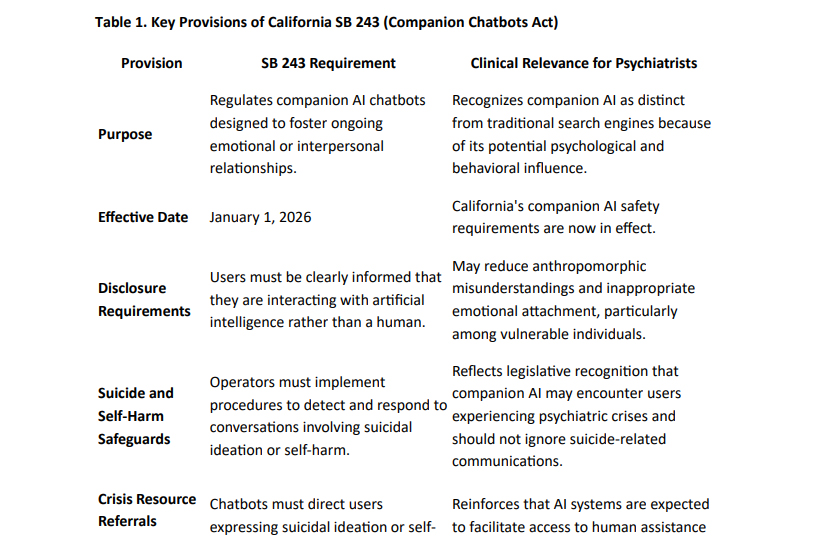
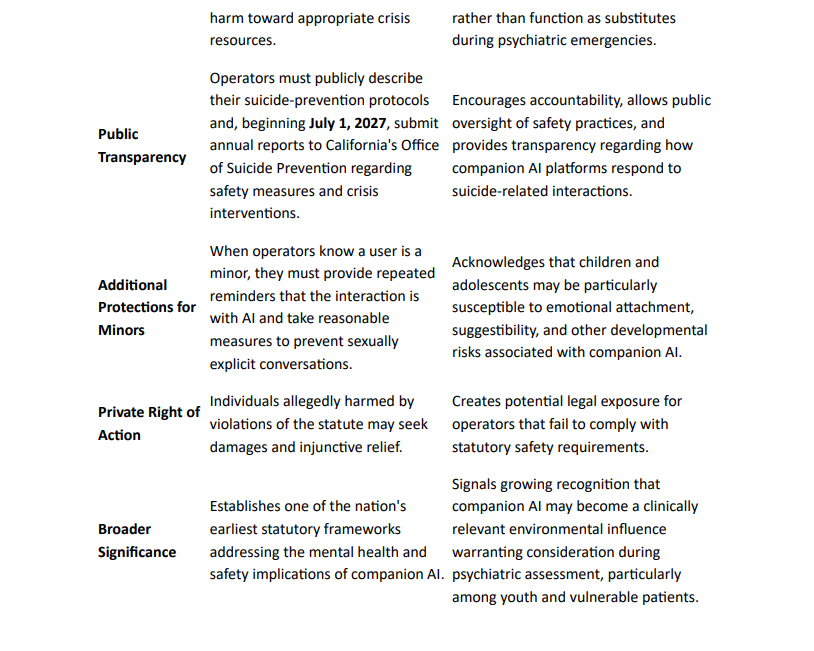
SB 243 responds to these concerns by establishing several safeguards for companion AI. The law requires operators to clearly disclose when users are interacting with artificial intelligence, implement procedures designed to identify and respond to conversations involving suicidal ideation or self-harm, provide referrals to crisis resources, publicly describe their suicide prevention protocols, and, beginning July 1, 2027, submit annual reports to California’s Office of Suicide Prevention regarding those safeguards.¹˒² When operators know that a user is a minor, additional protections apply, including repeated reminders that the interaction is occurring with AI and reasonable measures to prevent sexually explicit conversations.¹ The law also creates a private right of action, allowing individuals who are allegedly harmed by violations of the statute to bring civil lawsuits seeking damages and injunctive relief.¹
Clinical Implications for Psychiatrists
For psychiatrists, the importance of SB 243 extends beyond its individual provisions. Rather than creating new clinical duties, the statute reflects an evolving societal recognition that companion AI may represent a clinically relevant environmental influence capable of affecting mental health and suicidal behavior.¹⁰ Similar to earlier developments involving cyberbullying, social media, substance use, and adverse childhood experiences, companion AI may become another factor warranting routine consideration during psychiatric assessment.¹¹ As emotionally responsive AI becomes increasingly integrated into everyday life, psychiatrists should be prepared to ask patients not only whether they use AI, but also how they use it, whether it has become a meaningful source of emotional support, whether it has displaced human relationships, and whether those interactions influence mood, coping, social functioning, or suicidal thinking.¹¹˒¹²
As research continues to evolve, SB 243 represents an important milestone in recognizing companion AI as an emerging issue at the intersection of technology and mental health. Although SB 243 does not impose new duties on psychiatrists, statutes often reflect evolving societal expectations regarding foreseeable risks. As companion AI becomes increasingly common, clinicians may increasingly be expected to inquire about emotionally significant AI use in much the same way they routinely ask about social media, cyberbullying, substance use, or firearm access. Whether companion AI ultimately proves to be beneficial, harmful, or both for individual patients remains an empirical question. What is already clear, however, is that emotionally responsive AI has become part of the social environment in which many patients now live, making an understanding of its role increasingly relevant to thoughtful psychiatric assessment and clinical care.⁷–¹²
References
1. California Senate Bill 243, 2025–2026 Regular Session. Companion Chatbots. Chaptered October 13, 2025; effective January 1, 2026.
2. California Legislative Information. SB 243 (Padilla): Companion Chatbots. California Legislature.
3. Raine v. OpenAI, Inc., et al. Complaint for Wrongful Death and Products Liability. Superior Court of California, County of San Francisco. Filed August 26, 2025.
4. Padilla S. Amid Renewed Safety Concerns, Senator Padilla Urges Legislative Action to Regulate AI Chatbots. Office of Senator Steve Padilla. 2025.
5. Pew Research Center. Teens’ Experiences with AI Chatbots. Washington, DC: Pew Research Center; 2025.
6. Common Sense Media. Talk, Trust, and Trade-Offs: How and Why Teens Use AI Companions. San Francisco, CA: Common Sense Media; 2025.
7. Feng Y, Hang Y, Wu W, et al. Effectiveness of AI-driven conversational agents in improving mental health among young people: A systematic review and meta analysis. Journal of Medical Internet Research. 2025.
8. Rahsepar Meadi M, et al. Exploring the ethical challenges of conversational artificial intelligence in mental health care: A systematic review. JMIR Mental Health. 2025.
9. Cruz-Gonzalez P, et al. Artificial intelligence in mental health care: A systematic review. Psychological Medicine.2025.
10. Cohen IG. Mitigating Suicide Risk for Minors Involving AI Chatbots—A First-in-the-Nation Law. JAMA. 2026.
11. American Academy of Child and Adolescent Psychiatry. Technology, Social Media, Artificial Intelligence, and Youth Mental Health: Clinical and Policy Considerations. 2024.
12. American Psychiatric Association. Artificial Intelligence in Mental Health Care: Opportunities, Challenges, and Ethical Considerations. American Psychiatric Association; 2024.

AACAP 2026: AI, AI, and more AI
Patrick Kelly, MD, Chair, SCPS Child Committee
AACAP met in Atlanta at the end of October, and if you weren’t able to attend, here’s a quick tour of what you missed: a lot of AI, a good showing from California (including several awards and officership appointments), and a new website tool that represents the first of its kind for any medical organization in the country.
Not Just for Child Psychiatrists
Several of the big sessions were geared to appeal to child and adult psychiatrists alike. Awais Aftab, MD was the guest for the annual Presidential Interview. I think the discussion topic solidly represents John Walkup, the current President of AACAP (and my former attending) as someone unafraid of controversy. From the proceedings book “Psychiatry is under more public scrutiny than it has seen in a generation. Thanks to the MAHA movement, stimulants and antidepressants are on trial in the court of public opinion. Anti-psychiatry arguments that once were confined to the fringe are now widely circulating among parents and patients. Clinicians are hearing pointed questions about overdiagnosis, iatrogenic harm, and when to start and stop medications. In this Presidential Interview, John Walkup, MD, and Awais Aftab, MD, meet these criticisms head-on.” I appreciated being at a solid, fact-based discussion around the threats facing our field, and having an open and non-defensive discussion about how we as a profession can respond.
All About AI
More than fifty presentations and posters at the meeting concerned AI, and that doesn’t count the institutes, workshops, and member forums. There was even a formal debate titled “Should Child and Adolescent Psychiatrists Prescribe Chatbots?”, which brought together participants from the AACAP Health Information and Technology committee, speaking on both sides of the issue (in classic debate format).
A lot of the AI information presented was practical in nature. An institute on bringing AI into clinical practice included a primer from UCLA’s Kunmi Sobowale, MD, on how large language models actually work, with the reassuring message that “clinicians do not need to be data scientists to use LLMs safely” – but we do need to understand why these tools make errors, agree with us too readily, and carry bias. Other sessions covered documentation and coding, ambient AI scribes and burnout, and, in a full-day workshop, how to “create, don’t just chat.” Christopher Chamanadjian, MD, of Charles R. Drew University co-chaired a Member Services Forum on smart tools for clinicians, with Misty Richards, MD, MS, of UCLA among the presenters. Smita Thakkar, MD, of San Jose chaired another on how AI might eventually fit into the development of AACAP’s Clinical Practice Guidelines.
The posters on what these tools are doing to patients were more concerning, and may be in a way the most relevant information for our clinical care day to day. One case series of ten people aged 21 and younger found severe outcomes in six, including five deaths by suicide, with chatbot conversations reinforcing suicidal ideation, social withdrawal, and romantic attachment to AI companions. A review of adult “AI-associated psychosis” cases noted that all of the patients with bipolar disorder or schizophrenia had stopped their medications after chatbot interactions. A group from Boston Children’s described “structural drift,” in which a chatbot gradually builds on a user’s anomalous experiences over a conversation instead of testing reality.
The picture wasn’t all bad. In a benchmarking study of high-risk pediatric vignettes, three of four major models triaged safely, with no difference between English and Spanish prompts. A separate meta-analysis found that short-term chatbot use was associated with less loneliness and an overall better sense of well-being (in a sample admittedly devoid of severe clinical illness).
The authors of that case series suggest screening for chatbot use in patients presenting with withdrawal, suicidal ideation, or technology-themed symptoms. Plenty of those individuals are in adult practices too, so it seems like an easy question to add to the history, right alongside social media and sleep, though is not suitable for patients with more significant levels of illness.
California Showed Up
Congratulations are in order for a few of our neighbors.
Lisa R. Fortuna, MD, MPH, MDiv, chair of Psychiatry and Neurosciences at the UC Riverside School of Medicine, received the 2026 Virginia Q. Anthony Outstanding Woman Leader Award. Dr. Fortuna is a child and adolescent psychiatrist, an addiction medicine physician, and an Episcopal priest, and has built a career around community-engaged research on integrated behavioral health, substance use prevention, and health equity. It’s a well-deserved honor, and it’s nice to see it go to someone so close to home.
Gabrielle L. Shapiro, MD, a past president of Cal-ACAP, received the Assembly’s Catchers in the Rye Award to an Individual. Dr. Shapiro started out caring for Native American and Latino immigrant families near the border in San Diego and went on to lead APA policy work on immigration, family separation, and youth suicide as chair of the APA Council on Children, Adolescents, and Their Families.
A few others:
- Antonio Igbokidi, MD, a UCLA resident, received the Marilyn B. Benoit, MD, Child Maltreatment Mentorship Award for “Barbershop Talk Therapy,” a project with justice-impacted youth at Homeboy Industries in Los Angeles.
- Thomas K. Pak, MD, PhD, a UCLA child and adolescent psychiatry fellow, is the new Resident Member of AACAP’s Council for 2026–2028.
- Dalia Balsamo, Carl Fleisher, Richard Ha, and Praveen Kambam were among AACAP’s new Distinguished Fellows.
AACAP embraces AI…for its website
As a member of the AACAP health information technology committee, and of the SCPS AI committee, it should come as no surprise that I’m somewhat of a champion for a (cautious) embrace of this new technology. So, as the editor of the AACAP website, I’m delighted to say that starting in the new year AACAP will be the first medical society to have an integrated AI chatbot to help members, patients, and families find all of the useful information the Academy has to offer.
There’s a lot of good material on the site, including clinical practice guidelines, Facts for Families, CME, and policy statements, but finding what you need can be difficult, to say the least. With the new chatbot (Fuse Chat), you just ask: “Where can I find AACAP’s clinical practice guideline on ADHD?” or “What upcoming CME webinars are available?” It answers from AACAP’s own content and links you to the sources. It can also understand and respond in any language, which matters to the many families we see who don’t speak English at home.
The information it provides is scoped specifically to the AACAP site. You can ask, “what is the weather right now?” and it will tell you, honestly, that it doesn’t know. We’ve tried to trick it, to confuse it, to undermine it, and to purposefully encourage it to give bad or potentially harmful responses and, fortunately, because of the scope limits, it refuses. If you try it after it launches, I’d love to hear what you think. I consider you all my white hat hackers, so please do your best to break it, and let me know the results.
What’s Next
If you’d like a taste of the child world, AACAP’s 2027 Virtual Pediatric Psychopharmacology Update Institute, “When the Evidence Base and Real Life Collide,” runs online this winter, with video talks available January 15 through March 15 and live case vignettes February 6–7. Next year’s annual meeting is October 25–30, 2027, in New York. I know two back-to-back trips to NYC (if you’re also going to APA in May) can be a lot, but what better city to host both! I hope to see you all there at one or both of the upcoming meetings.

A Presentation with Joe Feldman of Cover My Mental Health
ONLINE: Wednesday, December 2nd at 7:30pm
Cover My Mental Health is an initiative designed to assist individuals in overcoming insurance-related obstacles to accessing mental health care. It provides resources and support for navigating issues like claim denials and finding in-network providers.
This presentation will cover:
- A broad overview of fighting insurance denials (letters, peer-to-peer reviews, complaints)
- A focused session on medical necessity letters
- A focused session on conducting peer-to-peer reviews
SCPS Members, please RSVP to:
socalpsychiatric@gmail.com
September Council Highlights
by Manal Khan, MD
Dr. Gary Belkin from New York Psychiatric Society joined the meeting to discuss the action paper “Democracy and the Purpose of APA”. Dr. Belkin serves on the social determinants taskforce and see political conditions as a component of the social determinants which impact mental health. He is seeking to amend the APA’s bylaws to include political determinants and democratic conditions as part of the organization’s social determinants focus. Dr. Belkin confirmed the paper was submitted and noted other district branches are being sought for endorsement ahead of the November assembly meeting. The action paper was endorsed via voting by SCPS.
EC was presented with GAC’s recommendation on two bills (SB 903 and AB 2405) and was asked to ratify the recommendations. The GAC meets in August and had to provide recommendations to CSAP GAC at that time, and given that EC does not meet in August, these positions had to be ratified in the September meeting.
OMB Grant Rule was discussed. The rule if enacted would have given federal government agency on how grants are managed, instead of relying on the peer review process. There was an open comment period which concluded in July 2026 and drew 50,000 comments. The rule is on hold at the moment. Given the time-sensitive nature of the comment period, EC ratified their position in the September meeting.
The EC discussed goal-setting for the year, including community building, membership growth, and outreach efforts. A proposal was made to hold an in-person retreat on October 3rd in Pasadena, potentially combining it with a council meeting if quorum is achieved, and making the proposal for an in-person retreat along with the council meeting known earlier with lead time to be in compliance with the bylaws. A budget for refreshments was discussed and approved as well.
EC discussed the membership status of an individual member, where there were concerns regarding their response to the ethics question. Given APA’s membership processes and procedures, the member was accepted, and the EC ratified their membership status. Discussion regarding APA and SCPS membership processes also took place.
EC discussed launching the new IT committee, chaired by Dr. Pat Kelly, to handle website and technology matters, with the committee having both technology and content responsibilities.
EC approved plans for two career fairs this year – one at Kaiser West LA on January 23rd and another at Kaiser Fontana on December 12th, with a virtual panel scheduled for November 17th.
EC discussed proposed procedural code changes for CSAP, a statewide advocacy organization representing all five district branches. The main changes discussed and approved include creating a fifth officer position called the liaison position to ensure all district branches are represented in an officer role each year, and establishing a CSAP executive committee with representation from all DBs.
EC received updates regarding the CSAP PAC event where five members met with Javier Becerra following a financial political contribution.
Mindi reported that a joint Disaster Committee and Private Practice Committee event about disaster-proofing practices is being planned for October, though the date may be pushed to the new year.
The treasurer’s report, presented by Daniel Fast. The group discussed plans forming a finance committee to examine centralized billing, which has been discussed annually since 2012 but never approved.
Dr. Ijeaku provided an update on Assembly activities, noting that four SCPS members plan to attend the November State Assembly meeting.
Dr. Woods reported on legislative updates, noting that bills are being sent to the governor and encouraging members to submit ideas for future legislative changes. The group discussed a specific issue in Riverside County regarding separate hearings for conservatorship and medication decisions, which Dr. Woods and others plan to address through a letter to Riverside Behavioral Health Commissioners.
Membership committee presented and the council approved 36 resident fellow members and six general members from the membership committee report.
Various committee updates were shared, including plans for the diversity and culture committee to resume meetings later in the month and upcoming child and adolescent psychiatry events.

The Southern California PSYCHIATRIST
ALL EDITORIAL MATERIALS TO BE CONSIDERED FOR PUBLICATION IN THE NEWSLETTER MUST BE RECEIVED BY SCPS NO LATER THAN THE 1ST OF THE MONTH.
NO AUGUST PUBLICATION. ALL PAID ADVERTISEMENTS AND PRESS RELEASES MUST BE RECEIVED NO LATER THAN THE 1ST OF THE MONTH.
SCPS website address: www.socalpsych.org
© Copyright 2026 by Southern California Psychiatric Society
Southern California PSYCHIATRIST is published monthly, except August by the:
Southern California Psychiatric Society
P.O. Box 10023
Palm Desert, CA 92255
(310) 815-3650
Permission to quote or report any part of this publication must be obtained in advance from the Editor.
Opinions expressed throughout this publication are those of the writers and, unless specifically identified as a Society policy, do not state the opinion or position of the Society or the Editorial Committee. The Editor should be informed at the time of the Submission of any article that has been submitted to or published in another publication.
Disclaimer
Advertisements in this newsletter do not represent endorsement by the Southern California Psychiatric Society (SCPS), and contain information submitted for advertising which has not been verified for accuracy by the SCPS.
SCPS Officers
President – Laura Halpin, M.D., Ph.D.
President-Elect – Gillian Friedman, M.D.
Treasurer – Daniel Fast, M.D.
Secretary – Manal Khan, M.D.
Councillors by Region (Terms Expiring)
Inland – Adrienne Carter, M.D. (2027); Kayla Fisher, M.D. (2027)
San Fernando Valley – Yelena Koldobskaya (2028); Kelsey Badger, M.D. (2029)
San Gabriel Valley/Los Angeles-East – Timothy Pylko, M.D. (2029); Roderick Shaner, M.D. (2027)
Santa Barbara – Nassi Navid, M.D. (2029)
South Bay – Steven Allen, M.D. (2027)
South L.A. County – Emily Wood, M.D., Ph.D. (2026)
Ventura – Danielle Shaw, M.D. (2029)
West Los Angeles – Haig Goenjian, M.D. (2027); Tanya Josic, D.O. (2027); Lloyd Lee, D.O. (2027); Alex Lin, M.D. (2029)
ECP Representative – Ruqayyah Malik, M.D. (2027)
ECP Deputy Representative – Dustin Wong, D.O. (2028)
RFM Representative – Ola Egu, M.D. (2027); Daniel Resnick, M.D. (2027)
MURR Representative – Miles Reyes, M.D. (2027)
MURR Deputy Representative – Vanessa Markgraf, M.D. (2028)
Past Presidents – Matthew Goldenberg, D.O.; Galya Rees, M.D.; Patrick Kelly, M.D.
Federal Legislative Representative – Laura Halpin, M.D., Ph.D.
State Legislative Representative – Emily Wood, M.D., Ph.D.
Public Affairs Representative – Christina Ford, M.D.
Assembly Representatives – Matthew Goldenberg, D.O. (2029); Ijeoma Ijeaku, M.D. (2027); Patrick Kelly, M.D. (2030); J. Zeb Little, M.D., Ph.D. (2030)
Executive Director – Mindi Thelen
Website Publishing – Tim Thelen
SCPS Newsletter Editor – Gillian Friedman, M.D.